
Comprehensive Guide to Different Types of Insulin for Diabetes Management
This comprehensive article explores the various types of insulin used in diabetes treatment, including fast-acting, short-acting, intermediate, long-acting, and pre-mixed options. It details insulin based on speed, formulation, and delivery methods, providing valuable insights for effective diabetes management tailored to individual needs. Learn about the differences, examples, and administration techniques of these essential insulins to better understand your treatment plan and optimize blood sugar control.
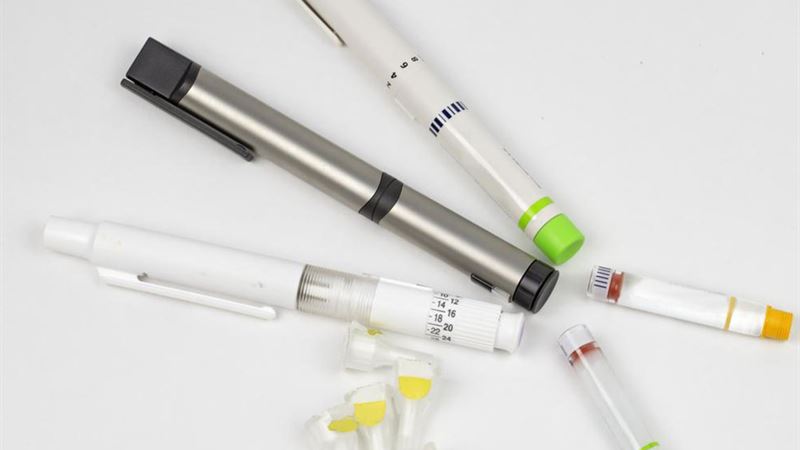
Understanding Insulin Variants Based on Their Speed of Action
- Fast-acting Insulin: Designed to act rapidly after injection, this type of insulin typically begins lowering blood sugar within 15 minutes. Its peak effect occurs around 1 to 2 hours, and its action lasts for approximately 2 to 4 hours. Common examples include medications like Apidra and NovoLog, which are often used to control post-meal blood sugar spikes or to correct high blood sugar levels.
- Short-acting Insulin: Known also as regular insulin, this form starts working within about half an hour after administration. It peaks between 2 to 3 hours and remains active for 3 to 6 hours. Novolin and Velosulin are notable brands in this category; Velosulin is frequently used in insulin pump therapy, offering precise control during basals or boluses.
- Intermediate-acting Insulin: With a slower onset, this type of insulin begins lowering blood glucose approximately 2 hours post-injection. It reaches its peak effectiveness at 4 to 12 hours, and its overall duration extends from 16 to 24 hours. NPH (Neutral Protamine Hagedorn) insulin is a common example, often used in twice-daily regimens to provide basal coverage.
- Long-acting Insulin: Developed to mimic natural basal insulin, long-acting insulins start working within 2 to 4 hours and do not have a pronounced peak, offering a steady insulin level over an extended period. Their action can last between 14 to 24 hours. Popular options include Lantus (insulin glargine), Levemir, and Tresiba, providing reliable basal control in diabetes management.
Insulin Types Based on Chemical Composition and Formulation
- Animal-derived Insulin: Insulin historically sourced from pigs or cattle, these formulations are less common today but were once standard in diabetes treatment. Animal insulin can sometimes provoke immune responses, so its use has declined with the advent of human and analogue insulins.
- Human Insulin: Created using recombinant DNA technology, human insulin closely resembles the insulin produced naturally in the body. It is used widely in both type 1 and type 2 diabetes care, providing effective blood sugar control with fewer allergic reactions.
- Analog Insulin: Technologically modified versions of human insulin, these lab-grown insulins are designed to have altered onset and duration of action. They can act more quickly or sustain longer effects, offering tailored treatment options for different needs.
Insulin therapy involves various administration routes, including injections using syringes or pens, continuous infusion via insulin pumps, or intravenous methods under medical supervision. The choice of insulin type, dosage, and delivery method depends on individual health profiles and treatment goals determined by healthcare providers.