
Understanding Hemophilia: Recognizing Symptoms and Treatment Options
Learn about hemophilia, a hereditary bleeding disorder, with detailed insights into its symptoms such as unexplained bleeding, joint hemorrhages, and internal bleeding, including brain bleeds. Discover modern treatment options like AFSTYLA® that offer effective management and improved quality of life for patients of all ages. Early detection and timely treatment are essential to prevent severe complications caused by this condition, especially internal and intracranial bleeding. With ongoing research, approaches for managing hemophilia continue to evolve, promising better outcomes for patients worldwide.
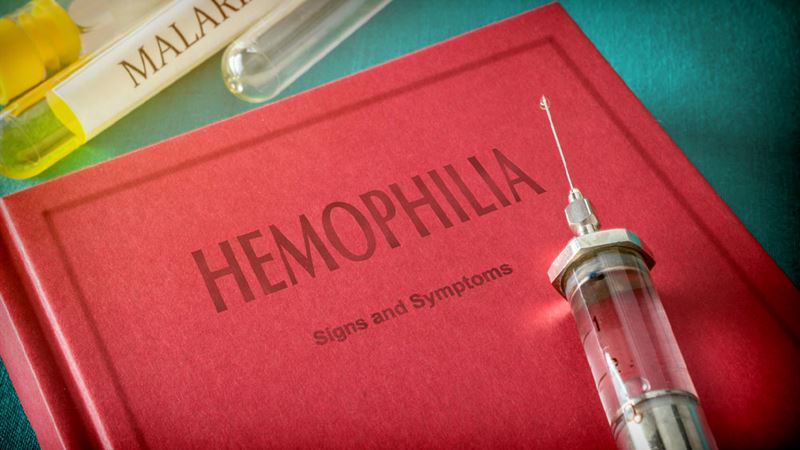
Recognizing External Bleeding Signs
- Bleeding from the mouth following minor cuts, bites, or if a tooth is lost or accidentally damaged. This bleeding can persist longer than typical cuts.
- Excessive bleeding from seemingly small cuts or injuries, which may require prolonged pressure or medical intervention to stop.
- Recurrent bleeding at the site of minor cuts, even after initial bleeding seems to subside.
Signs of Internal Bleeding
- Presence of blood in stools, which indicates bleeding within the gastrointestinal tract or stomach.
- Blood appearing in the urine, a sign of bleeding within the kidneys or bladder.
- Large, unexplained bruises resulting from significant bleeding into large muscle groups, often appearing without a clear injury.
Joint Hemorrhages and Their Impact
- Early symptoms may include tightness or stiffness around the joint.
- Swelling and warmth in the joint area are typical signs of internal bleeding.
- Pain, especially when moving the joint, indicates active bleeding or joint inflammation.
Critical Internal Hemorrhages: Brain Bleeds
- Persistent or severe headaches that do not resolve.
- Neck pain or stiffness, which may suggest bleeding in the brain or surrounding tissues.
- Irregular sleep patterns, including drowsiness or difficulty waking.
- Double vision, nausea, vomiting, and convulsions are signs of dangerous intracranial bleeding.
Advances in Hemophilia Treatment
AFSTYLA® is indicated for both adults and children with hemophilia A, suitable for:
- On-demand treatment of bleeding episodes to quickly control bleeding.
- Perioperative management to prevent bleeding during surgeries or invasive procedures.
- Routine prophylaxis to reduce the severity and frequency of bleeding episodes over time.
Overall, continuing research and development are providing new hope for hemophilia patients, making it increasingly manageable with proper medical guidance.