
Understanding Hemophilia: Symptoms, Variants, Causes, and Modern Treatment Strategies
Hemophilia is a hereditary bleeding disorder that impairs blood clotting, leading to excessive bleeding episodes in various parts of the body. Recognizing its symptoms early and understanding its types—such as Hemophilia A, B, and acquired forms—are crucial for effective management. While there is no cure yet, advanced treatment options like clotting factor replacement and emerging gene therapy provide significant relief and improve quality of life. Proper diagnosis, individualized treatment plans, and ongoing research are vital to managing this lifelong condition and preventing serious complications.
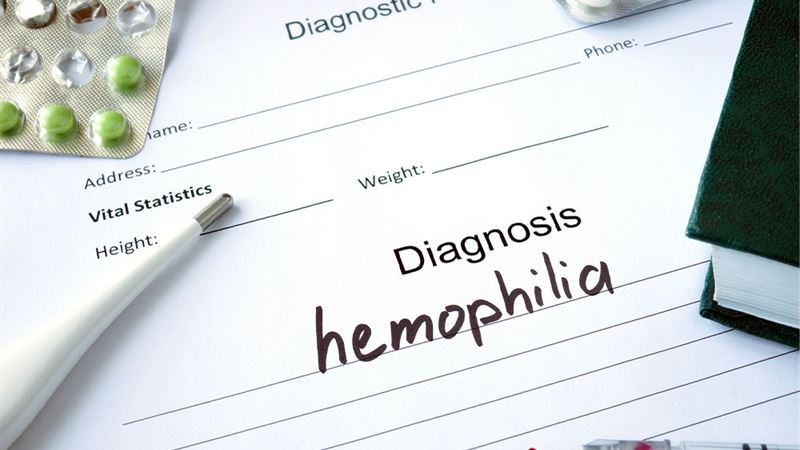
Hemophilia is a hereditary bleeding disorder characterized by the body's inability to produce adequate amounts of specific clotting factors, leading to abnormal bleeding episodes. Individuals with this condition are particularly susceptible to severe bleeding following injuries, surgeries, or even spontaneously, which can pose serious health risks. The disorder affects both internal and external blood vessels, often resulting in prolonged bleeding that can damage tissues and organs if not properly managed. Recognizing the signs early and understanding the various types of hemophilia is crucial for effective treatment and management.
Hemophilia's clinical presentation varies depending on the severity and type, but common symptoms include unexplained and excessive bleeding, particularly in joints, muscles, or beneath the skin. Swelling, pain, and stiffness in affected joints are frequent, attributable to repeated internal bleeding episodes. Additionally, bleeding in soft tissues, gums, or mucous membranes, such as the mouth, nose, or gastrointestinal tract, can be persistent and troublesome. Patients may also experience bleeding following minor injuries or medical procedures like dental work or vaccination. In severe cases, bleeding can occur in critical areas, including the brain, posing life-threatening dangers.
The main types of hemophilia are classified based on the specific defective clotting factor involved. The most prevalent form is Hemophilia A, caused by a deficiency or dysfunction of clotting factor VIII. It accounts for approximately 80-85% of all cases and is inherited in an X-linked recessive pattern, primarily affecting males, while females are often carriers. Hemophilia B, also known as Christmas disease, results from a deficiency of clotting factor IX. Despite similar inheritance patterns, the clinical manifestations are comparable to Hemophilia A, with patients experiencing prolonged bleeding episodes. Hemophilia C, which is less common, involves a lack of clotting factor XI and affects both genders equally. Unlike the other types, Hemophilia C tends to cause bleeding in specific scenarios such as surgery or trauma.
Another form gaining recognition is acquired hemophilia, which is not inherited but develops later in life due to autoimmune reactions. In this condition, the immune system produces antibodies that neutralize clotting factors, leading to bleeding episodes similar to inherited hemophilia. Acquired hemophilia can be associated with other health issues, including certain cancers, autoimmune diseases, pregnancy, and infections. Understanding the underlying cause is essential for determining the appropriate treatment approach in these cases.
The causes of hemophilia are predominantly genetic, stemming from mutations or abnormalities in the genes responsible for producing clotting factors. Most cases of Hemophilia A and B are inherited in an X-linked pattern, meaning the defective gene resides on the X chromosome. Males, having only one X chromosome, are more frequently affected, whereas females are typically carriers who can pass the gene to their offspring. However, a significant proportion of cases arise from spontaneous mutations, with no family history of the disorder. Factors influencing the development of hemophilia include gene mutations, chromosomal abnormalities, or structural issues affecting the production or function of clotting factors.
Currently, there is no cure for hemophilia; however, numerous treatment options are available to manage the symptoms effectively. The primary goal of therapy is to replace the missing or defective clotting factors to prevent bleeding episodes and tissue damage. Treatment strategies are typically tailored to the individual's severity and type of hemophilia and often involve a multidisciplinary healthcare team that includes hematologists, physiotherapists, dentists, and surgeons.
The most common treatment method involves intravenous infusion of clotting factor concentrates. These concentrates are either derived from human plasma or produced through recombinant technology. Plasma-derived factor concentrates involve processing donor plasma to isolate and purify the relevant clotting factors. These are administered during bleeding episodes or as preventive prophylaxis to reduce the risk of spontaneous hemorrhages. Recombinant factor concentrates are artificially synthesized in laboratories, eliminating the risk of infectious agent transmission, and are increasingly preferred for their safety and efficacy. Both methods require careful monitoring to optimize dosing and minimize potential complications such as inhibitor formation.
Emerging treatments are offering new hope for hemophilia patients, with gene therapy at the forefront. This innovative approach aims to introduce functional copies of the deficient genes directly into the patient's cells, enabling the body to produce its own clotting factors naturally. Gene therapy has shown promising results in clinical trials, offering the possibility of prolonged or even permanent reduction of bleeding episodes. Nonetheless, this technology is still undergoing research, with ongoing assessments regarding safety, efficacy, and long-term effects.
Other supportive treatments include the use of antifibrinolytic medications to stabilize blood clots, pain management strategies, and physical therapy to strengthen joints and muscles affected by bleeding episodes. Dental care and avoidance of activities with high injury risks are also vital components of comprehensive management. Patients with severe hemophilia require regular health assessments and individualized treatment plans to prevent complications such as joint deformities, neurological damage, or life-threatening internal bleeding.
In summary, although hemophilia remains a lifelong condition with no definitive cure, advances in medical science have greatly improved the quality of life for those affected. Early diagnosis paired with appropriate treatments can minimize the impact of the disorder, preventing severe health issues and enabling patients to lead active, healthy lives. Continued research and development promise new therapies in the future, bringing hope for more effective and accessible management options.