
Comprehensive Guide on How Botox Alleviates Various Medical Conditions
Explore how Botox effectively treats various medical conditions like migraines, muscle spasms, and bladder issues. Understand potential side effects, costs, certified providers, and insurance options to make informed decisions for your health and well-being.
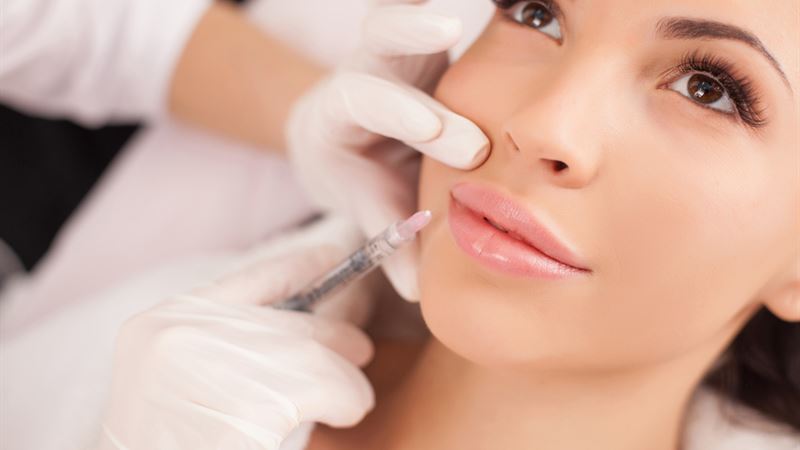
- Overactive bladder
- Crow’s feet wrinkles
- Crossed eyes (strabismus)
- Shoulder and neck muscle spasms
- Chronic migraines
- Blepharospasm (eyelid spasm)
Understanding the Potential Side Effects of Botox Treatments
While Botox has become an increasingly common treatment option due to its affordability and effectiveness, it is essential for patients to be aware of possible side effects before proceeding. A thorough understanding helps ensure safe and satisfactory outcomes. Some common side effects include numbness, mild nausea, headaches, and localized swelling. Less frequent but more serious reactions might involve neck weakness, rashes, dry mouth, double vision, or even gallbladder issues.
- Numbness in treated areas
- Mild nausea and headache
- Weakness in neck muscles
- Rashes and hives
- Swelling at injection sites
- Visual disturbances like double vision
- Dry mouth sensation
- Gallbladder or digestive system disturbances
- Overall fatigue or weakness
Financial Considerations for Botox Procedures
The cost of Botox varies depending on individual needs, targeted areas, and geographic location. In the United States, an average treatment session typically ranges from $200 to $300 per area. The overall expense may extend between $300 and $1,200, often billed on a per-unit basis, with prices fluctuating based on the number of units necessary for effective treatment.
Patients are advised to compare quotes from multiple clinics, opt for providers who charge per unit for transparency, and ask for detailed breakdowns. Most treatments last around three to four months, with some areas requiring periodic touch-ups to maintain results. It is always recommended to seek treatment from licensed, qualified medical professionals to ensure safety and efficacy.
- The typical Botox treatment costs between $300 and $1,200, with effects lasting approximately three to four months.
- Dermatologists and plastic surgeons might charge between $14 and $17 per unit of botulinum toxin, depending on the clinic and geographical area.
Unverified clinics or unauthorized providers pose significant risks; therefore, verifying credentials via trusted sources such as the American Society of Plastic Surgeons (ASPS) or the American Academy of Dermatology (AAD) is crucial. Recent concerns over pediatric botulinum toxin use highlight the importance of selecting experienced and certified practitioners.
Locating Certified Treatment Centers
To ensure safety, patients should confirm that their chosen provider is accredited and specializes in Botox administration. Certified clinics adhere to strict medical standards and can provide reliable results while minimizing risks. Well-known centers include:
- The Ageless Center
- Emory Healthcare
- Beverly Hills Rejuvenation Center
- Botox Virginia Beach
- Mayo Clinic
- The Skin Center Medical Spa
Insurance Coverage for Botox Treatments
Many medical conditions treated with Botox, such as chronic migraines, excessive sweating, or muscle spasms, are eligible for insurance reimbursement. Patients should consult their insurance providers beforehand to verify coverage options. However, cosmetic treatments aimed solely at aesthetic enhancement are generally not covered by insurance plans.