
Comprehensive Guide to Factors Influencing Botox Treatment Costs
Explore the comprehensive factors influencing Botox treatment costs, including medical applications, choosing qualified specialists, regional price differences, and essential preparation tips. This detailed guide helps you make informed decisions for safe and effective Botox procedures, whether for medical relief or cosmetic enhancement. Learn about insurance options, treatment pricing, quality assurance, and post-treatment care to maximize your investment and satisfaction.
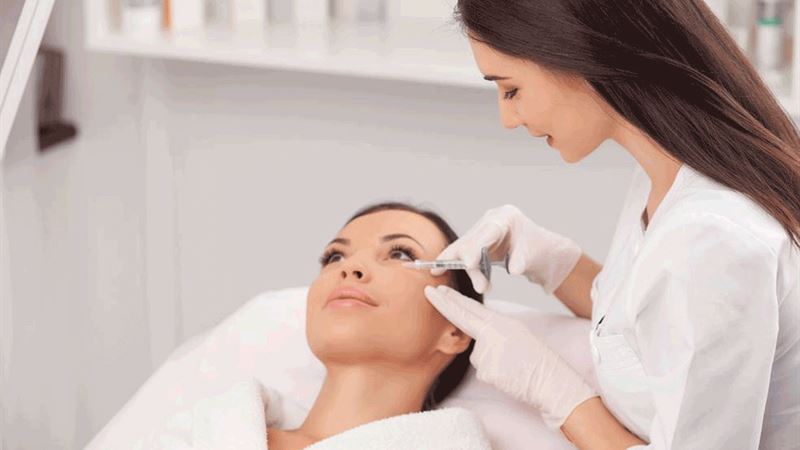
Medical Applications of Botox: Beyond Beauty
- Overactive Bladder: Botox can be injected into the bladder muscles to improve urinary symptoms. By paralyzing certain muscles, it reduces urgent and frequent urination, significantly improving patients’ quality of life.
- Chronic Migraine Relief: For individuals suffering from debilitating migraines, Botox offers a preventive option. Administered in specific facial and neck muscles, it decreases migraine frequency and alleviates associated symptoms such as nausea and sensitivity to light.
- Muscle Spasms and Strain: Patients with conditions like cervical dystonia or muscle spasticity can benefit from Botox injections to relax and soften affected muscles, providing relief and improving mobility.
- Excessive Sweating and Body Odor Control: Botox is an effective treatment for hyperhidrosis, especially in areas like the armpits. It temporarily blocks the nerves responsible for sweating, resulting in reduced perspiration and odor.
- Insurance Coverage Considerations: Medical uses of Botox are often covered by health insurance plans. If the procedure is medically necessary, consult with your insurer to determine coverage, copays, and any additional requirements.
Selecting a Qualified Botox Specialist
- Importance of Experience: Since Botox manipulation can significantly change facial appearance, choosing a highly experienced and reputable specialist is essential. Ensure your provider has extensive training in aesthetic or medical Botox procedures.
- Avoiding Low-Quality Options: While affordability is attractive, do not compromise on quality. A less experienced or unlicensed technician might cut corners, leading to subpar results or health risks.
- Factors Affecting Price: Pricing varies widely based on location, expertise, clinic reputation, and the complexity of the treatment. Be cautious of providers offering suspiciously low rates, as they may use inferior or improperly stored products.
- Pre-Treatment Evaluation: The right specialist will conduct a thorough consultation, assess your facial anatomy, and discuss your goals before proceeding with treatment.
Understanding the Financial Aspect of Botox Treatments
- Typical Pricing Range: Across many regions, Botox costs generally hover between $10 and $25 per unit. In clinics that charge per treatment area, the total cost may range from $300 to $700, depending on the number of injections required.
- Regional Cost Variations: Prices tend to be higher in metropolitan areas such as Los Angeles, New York City, or Boston, while rural locations may offer more affordable options. West Coast facilities usually charge a premium compared to Southern or Midwestern clinics.
- Time of Year Influence: Seasonal trends can affect Botox pricing, with some clinics offering discounts during off-peak times to attract clients.
- Beware of Counterfeit or Diluted Products: Ultra-low prices may indicate the use of compromised or poorly stored Botox. Authentic Botox must meet strict quality standards to ensure safety and effectiveness.
- Imported Botox Concerns: Some clinics source Botox from abroad, particularly from countries like Canada, where pricing is subsidized. Exercise caution, as storage and handling practices may vary, impacting treatment safety.
- Insurance and Reimbursement: If your Botox is prescribed for medical conditions, contact your insurance provider or allergen’s reimbursement hotlines to check coverage options.
- Payment Methods and Financial Planning: Most clinics now accept various payment methods, including credit/debit cards, checks, and cash. Many offer payment plans or financing options—discuss these with your provider beforehand.
Tips to Prepare for Your First Botox Treatment
- Consultation is Key: Schedule a comprehensive consultation with a qualified specialist to understand the procedure, expected outcomes, and any risks involved. This is your chance to ask questions and clarify doubts.
- Avoid Blood Thinners: Discontinue aspirin, anti-inflammatory drugs, and herbal supplements at least two weeks prior to treatment to minimize bruising and bleeding.
- Limit Alcohol Intake: Abstain from alcohol consumption at least one week before your appointment, as it can increase bleeding risk and skin sensitivity.
- Manage Pain Expectations: Though Botox procedures typically do not require anesthesia, some individuals experience discomfort. Inform your provider if you have concerns about pain or sensitivity.
- Post-Treatment Care: Refrain from vigorous physical activity for at least a few days following treatment. Avoid massaging, applying chemicals, or facial masks for 24 hours to prevent displacing the toxin.
- Understand the Results and Longevity: Results usually take a few days to manifest and last for three to six months. Regular maintenance sessions are often necessary to sustain desired effects.
Deciding to undergo Botox treatment is significant, as it impacts your appearance and confidence. Take your time to research, choose a qualified professional, and plan financially to ensure a safe and satisfying experience.