
The Crucial Role of Blood Glucose Testing in Effective Diabetes Management
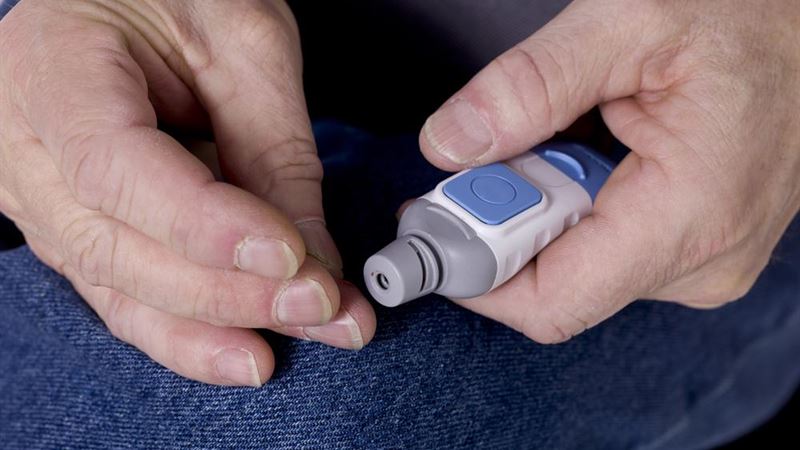
Discover how blood glucose testing is vital for managing diabetes effectively. From dietary adjustments and medication efficacy to overall health and surgical safety, regular monitoring empowers individuals to maintain optimal blood sugar levels. Learn practical tips and strategies to incorporate testing into your daily routine for a healthier, balanced life.
Nutrition and Dietary Planning
Regular blood glucose testing is an essential tool in tailoring a suitable diet plan for individuals living with diabetes. Monitoring how specific foods influence blood sugar levels enables you to identify and eliminate or limit those that cause spikes. Whether it’s dairy, carbohydrates, or processed foods, knowing your body's response helps you make informed dietary choices. For example, if consuming dairy leads to increased glucose levels, reducing intake or timing consumption accordingly becomes a strategic approach. Implementing such personalized dietary adjustments, combined with consistent glucose monitoring, can significantly aid in achieving optimal blood sugar control. Additionally, maintaining a balanced diet not only stabilizes blood glucose but also contributes to gradual weight loss, which is highly beneficial for overall health and long-term disease management.
Assessing and Optimizing Medication Effectiveness
Blood glucose testing is invaluable in evaluating how well your prescribed medications are working. For individuals on oral hypoglycemics or insulin therapy, regular monitoring provides real-time feedback on treatment efficacy. If your blood glucose levels remain stubbornly high despite medication, this signals your healthcare provider to consider changes—such as adjusting dosages or incorporating insulin therapy. Conversely, consistent readings within target ranges can reassure you that your current medication plan is effective. This proactive approach enables personalized treatment adjustments, minimizes the risk of complications, and ensures your medication regimen aligns with your body's needs.
Maintaining Overall Well-being
Persistent high blood sugar levels pose serious health risks beyond immediate symptoms, potentially leading to complications such as diabetic retinopathy, cardiovascular diseases, neuropathy, nephropathy, and skin infections. Effective blood glucose management through regular testing is therefore critical for preventing or delaying these adverse outcomes. With diligent monitoring and appropriate lifestyle modifications, individuals with diabetes can enjoy a healthier, more active life. Long-term, controlled blood sugar levels contribute to improved energy levels, mental clarity, and reduced risks of secondary health problems, emphasizing the importance of consistent testing and proactive health management.
Preparation for Surgical Procedures
Adequate blood sugar control is a prerequisite for many medical surgeries. Elevated or fluctuating glucose levels impair the body's ability to fight infections and hinder healing processes. Uncontrolled diabetes increases the risk of post-operative complications, including infections, delayed wound healing, and longer hospital stays. Prior to any major surgery, it is essential to work closely with your healthcare team to stabilize blood sugar levels through meticulous monitoring and management. Achieving optimal glucose control minimizes surgical risks and facilitates smoother recovery, ensuring that the procedure's benefits outweigh potential complications. Hence, ongoing blood glucose testing remains a cornerstone of preoperative planning and postoperative care for diabetic patients.