
Comprehensive Guide to Assisting Someone During an Epileptic Seizure
This detailed guide offers essential steps for helping someone during an epileptic seizure. It emphasizes staying calm, ensuring safety, and knowing when to seek emergency help. Clear advice aims to empower bystanders to assist effectively, minimize harm, and provide reassurance to the affected individual. Proper understanding and prompt response can significantly impact the safety and recovery of someone experiencing a seizure, making this information invaluable for caregivers, friends, and the general public.
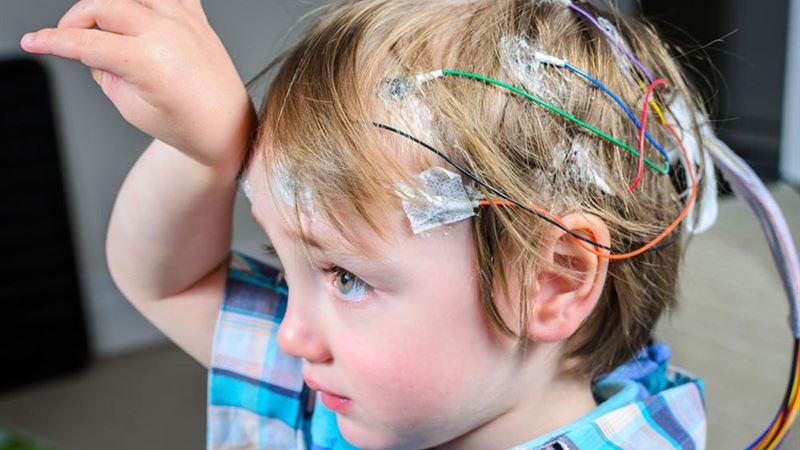
Remain Calm and Collected During the Emergency – When witnessing someone experiencing a seizure, maintaining your composure is crucial. While it may be distressing and alarming to see a person convulsing or losing control, it is important to stay calm. Panic can hinder your ability to assist effectively and might inadvertently escalate the situation. Remember, most seizures are not life-threatening and tend to resolve on their own, so your calm demeanor can help keep the victim safe and reassured.
Monitor the Duration of the Seizure – Keep track of how long the seizure lasts, ideally by noting the start and end time. If the seizure persists beyond five minutes or if multiple seizures occur without the person regaining consciousness, seek emergency medical help immediately. Prolonged or repeated seizures can be dangerous and require urgent intervention.
Create a Safe Environment by Clearing Surroundings – To prevent injury, gently move furniture, sharp objects, or any items that could harm the individual away from their immediate vicinity. If possible, ask bystanders to step back, ensuring the area around the person remains open and free of clutter. This minimizes the risk of injury and reduces feelings of confinement or panic in the person experiencing the seizure.
Avoid Forcing Objects into the Mouth – It is a common misconception that inserting objects, such as fingers, spoons, or other items, into the person's mouth can prevent choking. In reality, this can cause more harm, including choking, dental injuries, or airway obstruction. Never attempt to put anything in the person's mouth. Let the seizure run its course while ensuring their safety from injury.
Provide Support to Prevent Physical Injury – During a seizure, some individuals might thrash or fall, increasing the risk of harm. Do not restrain or hold down their movements forcefully. Instead, gently support their body to prevent falling and prevent injuries. If the person is on the ground, help them to lie on their side (the recovery position) to facilitate breathing and prevent choking on saliva or vomit.
Loosen Tight Clothing, Especially Around the Neck – Clothing that is tight around the neck or waist can cause discomfort or restrict breathing during a seizure. Carefully loosen any restrictive clothing to promote easier breathing. Once safe, guide the individual to a comfortable seated position in a safe area, ideally in a place where they won't accidentally injure themselves.
Offer Comfort and Assistance Post-Seizure – After the seizure ends, the individual might be confused, drowsy, or embarrassed. Stay close by to reassure them, speak softly, and offer comfort. Do not leave the person alone until they are fully alert and aware of their surroundings. Help them sit or lie down comfortably until they recover fully.
Seek Medical Assistance When Necessary – While many seizures are not life-threatening, certain situations require urgent medical attention, such as if the seizure lasts more than five minutes, if the person is injured, pregnant, or if this is their first seizure. Call emergency services if you're unsure or if the situation appears severe.
Educate and Prepare for Future Incidents – If the individual has a known diagnosis of epilepsy or seizure disorder, encourage them to carry identification or medical alert jewelry. Family members and friends should be aware of emergency procedures and know how to respond quickly in case of future seizures.