
Comprehensive Guide to Dental Bridges: Types, Costs, and Procedures
Discover everything about dental bridges, including the different types, costs, step-by-step procedures, and care tips. This comprehensive guide helps you understand how dental bridges restore oral function and aesthetics, ensuring you make informed decisions for your oral health. Learn about traditional, cantilever, Maryland, and implant-supported bridges, along with cost considerations and aftercare advice to maximize durability and appearance. With expert guidance, regain your confident smile and enjoy improved chewing, speech, and overall oral well-being with the right dental bridge choice.
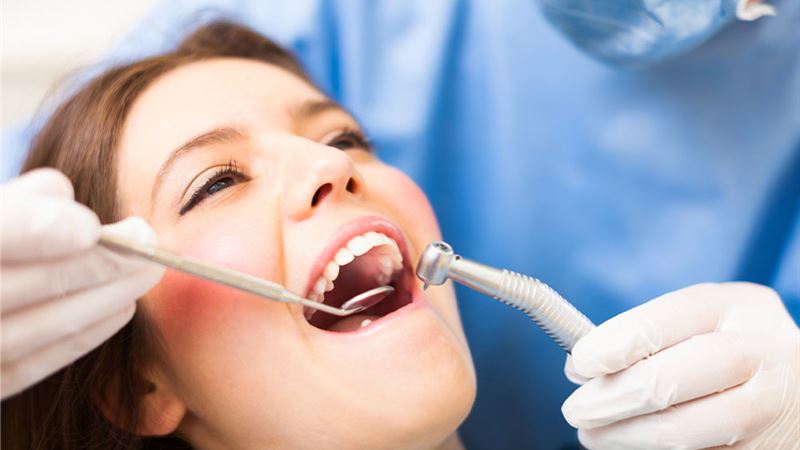
Dental bridges serve as effective solutions to close gaps caused by missing teeth, restoring both functionality and aesthetic appeal. Customized to blend seamlessly with your natural teeth, modern dental bridges are crafted with precision to match color, shape, and size, providing a natural look that boosts confidence. They play a vital role in maintaining oral health by preventing neighboring teeth from shifting, which could lead to bite issues or gum disease. In this extensive guide, we explore the different types of dental bridges, their costs, the detailed procedures involved, and essential aftercare tips to maximize longevity.
During the process of creating a dental bridge, the dentist designs a personalized appliance using advanced materials and techniques. The aim is to ensure comfort, durability, and a natural appearance, so that patients regain their ability to chew properly and enjoy a confident smile.
Understanding Dental Bridges: Components and Functionality
A typical dental bridge comprises two main parts: pontics and abutments. The pontics are the artificial teeth that fill the gap left by missing teeth. These can be made from various materials such as porcelain, ceramic, or metal, depending on individual needs and preferences. The abutments are the natural teeth or implants that support the pontics, acting as anchors to hold the bridge firmly in place.
To ensure a perfect fit and appearance, dental professionals meticulously prepare the abutment teeth, often reshaping them slightly to accommodate the bridge’s structure. Impressions or digital scans of the mouth are taken to craft a prosthesis that aligns seamlessly with the existing teeth, ensuring both function and aesthetic integration.
Cost Overview of Dental Bridges
The price of dental bridges varies based on multiple factors including geographic location, the materials used, and the complexity of the procedure. On average, traditional dental bridges cost between $500 and $1,500. This range covers fixed bridges with crowns on either side of the gap and pontics in the middle. Bonded bridges, often cheaper, start around $2,300, making them a common choice for many patients. In some clinics or regions, prices can escalate from $2,000 up to $5,000 for extensive or premium options.
It's important to consider that highly experienced or renowned dental practitioners might charge premium rates due to their expertise and the quality of materials used. Additionally, supplementary costs such as consultations, X-rays, anesthesia, and follow-up visits should be factored into the overall budget.
The Step-by-Step Dental Bridge Procedure
The journey toward a new smile begins with a comprehensive examination. During this pre-treatment stage, the dentist assesses oral health, takes dental impressions or digital scans, and discusses the best options with the patient, including whether a bridge, crown, or alternative restorative method is suitable.
Once the decision is made, the actual procedure unfolds in several carefully executed steps. First, the dentist administers local anesthesia to numb the targeted area, ensuring the patient’s comfort throughout the process. The teeth adjacent to the gap are then prepared by reshaping their surface—removing a small amount of enamel to make room for the crowns that will secure the bridge.
Simultaneously, impressions or digital impressions are taken to produce a precise model of the mouth. While the permanent bridge is being fabricated in a dental lab, the patient receives a provisional or temporary bridge. This interim prosthesis helps maintain proper alignment, protects the prepared teeth, and sustains appearance and function.
Taking special care during this phase is crucial. Patients are advised on proper hygiene practices, such as gentle brushing and flossing around the provisional to prevent plaque buildup and decay. The temporary bridge is cemented with a temporary adhesive that allows easy removal when the final prosthesis is ready.
Once the customized bridge is ready, the patient returns for the final placement. The temporary bridge is carefully removed, and the dentist fits the permanent one, checking for proper bite and fit. Adjustments are made if needed, ensuring comfort and functionality. The bridge is then cemented in place using a durable, permanent adhesive, and the dentist verifies the bite alignment before concluding the procedure.
Post-procedure care includes avoiding hard or sticky foods initially, maintaining excellent oral hygiene, and attending regular dental check-ups to ensure the longevity of the bridge.
Types of Dental Bridges Explained
Dental bridges come in several varieties, each suited to specific clinical situations and patient preferences. While classifications may vary slightly among practitioners, the four main types of dental bridges are as follows:
- Traditional Dental Bridge: This is the most common type, consisting of crowns placed on the abutment teeth with pontics bridging the gap. Ideal when neighboring teeth are healthy and strong, providing maximum stability and longevity.
- Cantilever Dental Bridge: Features a single crown on one side of the gap, with the pontic extending across the space. Suitable when there is only one supporting tooth available, but less durable for areas experiencing significant biting force.
- Maryland (Adhesive) Dental Bridge: Uses metal or porcelain wings bonded to the back of adjacent teeth to hold the pontic in place. Perfect for replacing front teeth where aesthetic considerations are high and supporting teeth require minimal alteration.
- Implant-Supported Dental Bridge: Anchored to dental implants inserted directly into the jawbone, eliminating the need for support from natural teeth. Used primarily for multiple missing teeth and offers excellent stability and durability.
For each type, the choice depends on factors such as current oral health, location of missing teeth, cost considerations, and aesthetic expectations. Consulting with a qualified dental professional ensures the most suitable option for individual circumstances.
Long-Term Care and Maintenance
To prolong the lifespan of your dental bridge, adhering to proper oral hygiene is essential. Regular brushing, flossing, and dental check-ups help prevent issues like plaque accumulation, decay, and gum disease that could threaten the stability of the prosthesis. Avoid chewing on hard objects or very sticky foods that might dislodge or damage the bridge.
In addition, wearing a nightguard may be recommended if you tend to grind your teeth, which can exert excessive force on the bridge. Your dentist might also suggest routine professional cleanings and periodic evaluations to monitor the integrity of the restoration and underlying tissues.
With diligent care, most dental bridges can last between 10 to 15 years, and in some cases, even longer, providing a durable, natural-looking solution to missing teeth.