
Comprehensive Guide to Understanding and Managing Dry Eyes
This detailed guide offers insights into dry eye syndrome, covering causes, symptoms, preventive measures, and a variety of effective treatment options. Learn how lifestyle changes, nutrition, environmental adjustments, and medical interventions can help manage dry eyes, alleviate discomfort, and prevent serious complications. Whether experiencing mild dryness or severe symptoms, this comprehensive overview empowers you with the knowledge to protect your eye health and improve quality of life.
Understanding the Causes of Dry Eyes
Dry eye syndrome develops due to reduced tear production or increased tear evaporation. Several factors contribute to the onset of this condition, including lifestyle habits, environmental influences, medical conditions, and medication use. Identifying these causes is essential in choosing appropriate treatment strategies.One of the primary causes of dry eyes is prolonged exposure to digital screens like smartphones, tablets, and computers. When focused on screens, blinking frequency diminishes significantly, leading to quicker tear evaporation. Similarly, activities such as long reading sessions or extended driving without intermittent blinking can cause similar issues.
Environmental factors also play a significant role. Low humidity levels, high altitudes, windy weather, intense sunlight, and exposure to hot, dry air can all dehydrate the eyes. Air-conditioned or heated indoor environments exacerbate dryness by reducing moisture in the air, further influencing tear stability. Smoking is another major contributor, as it irritates and dries out mucous membranes, including the eyes.
Medical conditions influence tear production and eyelid function, thus increasing dryness. Aging naturally diminishes tear gland efficiency, especially after menopause in women. Autoimmune diseases like Sjögren’s syndrome, rheumatoid arthritis, lupus, and collagen vascular diseases reduce tear secretion significantly. Other illnesses such as shingles, HIV, and nerve palsies also impact lacrimal gland function.
Medications can inadvertently cause dry eyes as side effects. Common culprits include contraceptive pills, sleeping aids, antidepressants, antihistamines, blood pressure medications like ACE inhibitors, diuretics, opioid pain relievers, and certain skin medications. Each of these influences tear production or alters ocular surface stability, leading to dryness.
Additionally, factors like aging, menopause, and health conditions such as vitamin A deficiency, diabetes, and scleroderma contribute to tear film deterioration. Surgical procedures like LASIK may alter corneal nerves, reducing tear reflexes. Eyelid malpositions like ectropion (outward turning) or entropion (inward turning) disrupt normal tear distribution and drainage, increasing evaporation and dryness.
Recognizing Symptoms of Dry Eyes
The early detection of dry eye symptoms is key to preventing complications. Common signs include persistent itchiness, soreness, a burning or stinging sensation, and redness. Many individuals experience a gritty, sandy feeling as if a foreign object is lodged in the eyes. Reduced visual clarity, increased photophobia (light sensitivity), and a sensation of heaviness or fatigue in the eyelids are also prevalent.Unusual tearing or watery eyes might seem contradictory but are common responses to eye irritation. The eyes produce reflex tears when dryness is detected, although this tears often evaporate rapidly, leading to a cycle of irritation. Over time, untreated dry eyes can cause lasting damage to the corneal surface, increasing the risk of infections and ulcerations. Therefore, being aware of these symptoms allows for early intervention and effective management.
Effective Strategies for Preventing and Treating Dry Eyes
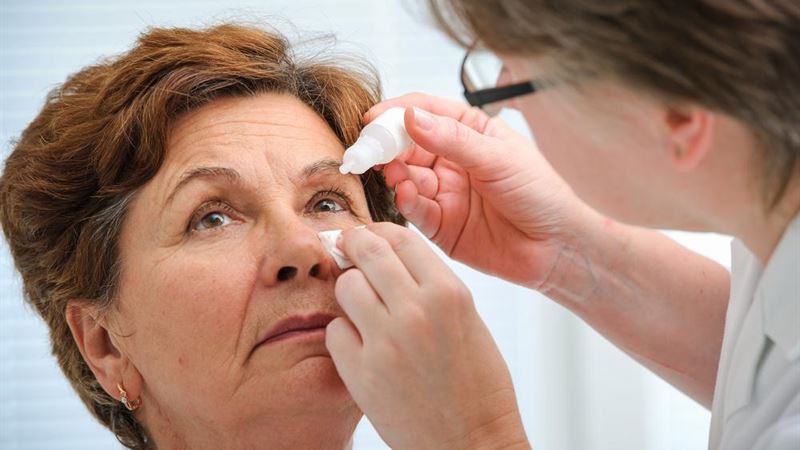
Addressing dry eyes involves a combination of lifestyle modifications, home remedies, and medical treatments. A proactive approach can significantly ease symptoms and restore eye health.Over-the-counter artificial tears and lubricating eye drops are frontline options to supplement moisture and provide relief. For persistent or severe cases, prescription treatments such as medicated eye drops, oral supplements, or anti-inflammatory medications may be necessary. These help reduce inflammation and improve tear quality.
External therapies like warm compresses and eyelid massages can unblock and stimulate the meibomian glands responsible for producing the oily layer of tears. Regular eyelid hygiene helps maintain gland function and prevents clogged glands from contributing to dryness.
Protective measures are equally important. Wearing sunglasses with UV protection shields the eyes from harsh sunlight and dry wind. Maintaining a safe distance from direct air conditioning or heating sources minimizes moisture loss. Indoor humidifiers add moisture to dry environments, creating a more comfortable atmosphere for the eyes.
Practical habits such as conscious blinking during screen use, closing eyelids intermittently, and avoiding prolonged fixation on digital devices can prevent excessive tear evaporation. Practicing the 20-20-20 rule—every 20 minutes, look at an object 20 feet away for 20 seconds—helps reduce eye strain and encourages blinking.
Nutrition plays a noteworthy role in eye health. Consuming foods rich in omega-3 fatty acids, such as fish, flaxseeds, and walnuts, improves tear quality and reduces inflammation. Vitamin A-rich foods like carrots, sweet potatoes, and leafy greens support tear film stability and ocular surface integrity.
When conservative measures are insufficient, more advanced options like punctal plugs can be used to block tear drainage, preserving moisture. In extreme cases, surgical interventions might be considered, especially when eyelid malpositions are involved or glandular damage is irreversible.
Managing underlying health conditions is critical. Regular medical check-ups, controlling autoimmune diseases, and adjusting medications in consultation with healthcare providers can alleviate dry eye symptoms.
In conclusion, dry eyes are a multi-faceted condition requiring a comprehensive approach. By understanding causes, recognizing symptoms early, and implementing lifestyle and medical strategies, individuals can effectively control dry eye syndrome and enjoy clearer, more comfortable vision daily.