
Comprehensive Guide to Understanding and Managing Dry Eyes
Dry eyes can cause significant discomfort and potential damage if not treated promptly. This detailed guide explains the causes, symptoms, diagnostic methods, and treatments for dry eyes. Understanding the role of tears and their components helps in recognizing the importance of maintaining eye health. Early diagnosis and personalized treatment strategies, including lifestyle modifications and medical interventions, are essential for relief and preventing complications. Regular eye checkups and proper eye care practices can preserve vision and comfort over time.
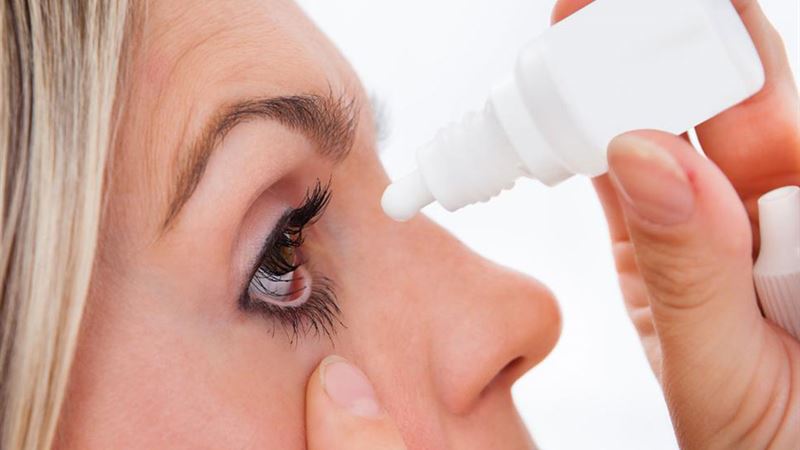
Dry eyes are a common yet often misunderstood condition that affects millions worldwide. If left untreated, dry eyes can lead to discomfort, vision disturbances, and potential long-term damage to the eye surface. Recognizing the importance of early diagnosis and appropriate treatment is crucial for maintaining optimal eye health and comfort. This extensive guide provides an in-depth understanding of dry eyes, including their causes, symptoms, diagnosis, and effective management strategies.
Understanding the makeup of tears is essential to grasp why dry eyes occur. Tears are composed of three vital components: oils or lipids, aqueous or water-based solutions, and mucins or mucus. These elements work together to keep the eyes lubricated, protect against infections, and remove dust and microbes. Maintaining the balance among these three layers is vital for healthy eyes. Disruption can cause discomfort and damage, making it crucial to identify and treat dry eyes promptly.
The three primary layers of tears each serve specific functions in safeguarding eye health:
- The oily layer, produced by the Meibomian glands, prevents rapid evaporation of tears, ensuring continuous lubrication during blinking.
- The aqueous layer, secreted by the lacrimal glands, provides hydration, nutrients, and antimicrobial agents to the surface of the eyes.
- The mucus layer, generated by goblet cells of the conjunctiva, ensures even spread of tears across the eye surface, enhancing their protective effect.
Any malfunction in these layers can lead to dry eye symptoms. It’s essential to understand that the failure may result from issues directly affecting these glands or from external environmental factors. Recognizing early signs can prompt timely intervention, preventing further complications.
If you suspect you have dry eyes, consulting an eye care specialist for a comprehensive diagnosis is advisable. They will perform various diagnostic tests to assess tear production and quality. These assessments may include the Schirmer test, tear breakup time test, and ocular surface staining. Accurate diagnosis helps determine the severity of the condition and guides appropriate treatment options. Addressing dry eyes early can significantly improve comfort and prevent potential damage.
Several factors contribute to the development of dry eyes. Understanding these causes can aid in prevention and management:
Reduced Tear Production: Insufficient tear secretion is a leading cause of dry eyes, often termed Keratoconjunctivitis Sicca. Contributing factors include:
- Age-related decline in tear production, commonly affecting individuals over 50.
- Use of medications such as antihypertensives, antihistamines, antidepressants, oral contraceptives, and medications for acne or Parkinson’s disease.
- Post-surgical effects, particularly following laser eye procedures.
- Underlying health conditions like Sjogren’s syndrome, rheumatoid arthritis, diabetes, thyroid disorders, and lupus.
- Vitamin A deficiency and other nutritional issues.
- Damage or inflammation to the tear glands due to infections or exposure to harmful chemicals or radiation.
Increased Tear Evaporation: Factors that cause tears to evaporate faster than they can be replenished also lead to dry eyes. These include:
- Environmental conditions such as dry, windy, smoky, or heated environments.
- Abnormal eyelid function, like incomplete blinking or eyelid malpositions (ectropion or entropion).
- Extended focus activities without blinking, such as reading, driving, or working extensively on digital screens.
- Disparities in tear composition or quality that impair the stability of the tear film.
Addressing these issues often involves environmental changes, lifestyle adjustments, or medical interventions to restore tear balance and improve eye health.
The diagnostic process for dry eyes involves a thorough evaluation by eye care professionals. They will examine your eyes, review symptoms, and perform specific tests to determine the type and severity of dry eye. These tests include:
- Schirmer’s test to measure tear production
- Tear breakup time (TBUT) to evaluate tear film stability
- Ocular surface staining with dyes like fluorescein or lissamine green to identify damaged areas
- Measuring eyelid function and examining gland health
Understanding the root cause of your dry eyes enables targeted treatment. It’s essential to discuss lifestyle factors and environmental influences with your doctor to prevent recurrence and manage symptoms effectively.
Treatment options for dry eyes vary depending on the underlying cause and severity. Some of the commonly recommended management strategies include:
- Taking regular breaks during prolonged computer or screen use to reduce eye strain and blinking less frequently
- Using artificial tears or lubricating eye drops to supplement natural tears and alleviate discomfort
- Prescribed medications to stimulate tear production or reduce inflammation, such as cyclosporine eye drops
- Implementing lifestyle modifications like increasing humidity in indoor environments, wearing protective eyewear in windy conditions, and avoiding smoky atmospheres
- Advanced treatments including punctal plugs to block tear drainage, thermal expression of the Meibomian glands, or laser procedures to improve gland function
Proactive care and early intervention are vital for managing dry eyes effectively. Regular eye checkups, adherence to prescribed treatments, and lifestyle adjustments help maintain eye comfort and prevent long-term damage.