
Comprehensive Guide to the Different Types of Gardening Tillers for Your Garden
Discover an in-depth guide to various types of gardening tillers, from cultivators to rear tine tillers. Learn their features, ideal uses, and how to choose the perfect tiller for your garden. This comprehensive overview helps gardeners of all levels select the right equipment for efficient soil preparation, cultivation, and maintenance, ensuring productive and healthy gardens across small and large spaces.
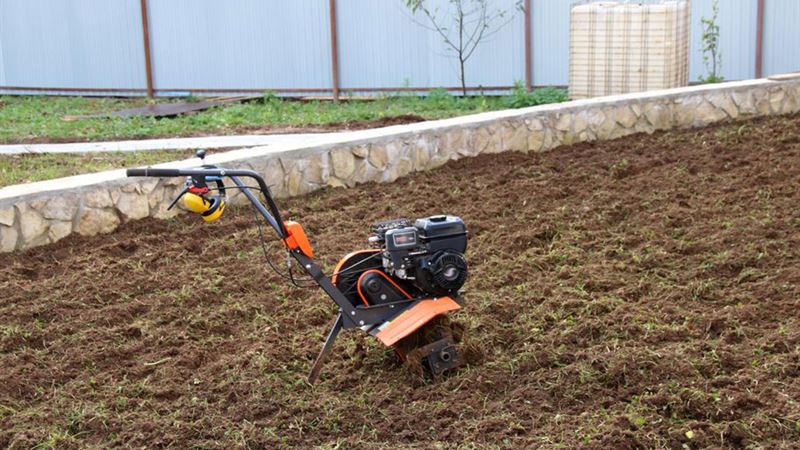
Maintaining a healthy and lush garden often requires the right tools to prepare, cultivate, and manage your soil effectively. Gardening tillers are essential equipment that help transform compacted, weed-infested, or rocky soil into a fertile ground suitable for planting. Choosing the appropriate tiller depends on the size of your garden, the type of soil, and the specific gardening tasks you aim to accomplish. When selecting a tiller, it is crucial to consider factors such as power, maneuverability, and maintenance needs to ensure optimal performance over time.
In this comprehensive guide, we will explore the various types of gardening tillers available in the market, their features, advantages, and suitable applications. Whether you have a small backyard garden or a large plot of land, understanding the differences among tiller types will help you make an informed decision, improving your gardening productivity and satisfaction.
- Rototillers and Cultivators: An Overview
Gardening tillers can be broadly categorized into rototillers and cultivators, each serving specific functions. While both are used for soil preparation, their design, power, and suitability differ significantly.
What are Cultivators?
Cultivators are lightweight and less powerful machines designed primarily for cultivating already prepared soil or breaking up surface crusts. They are particularly useful for weed control, aerating the soil, and mixing in fertilizers or compost. Cultivators generally have smaller engines and are easier to maneuver, making them ideal for small to medium-sized garden beds.
Key advantages of cultivators include:
- Ease of use and lightweight design
- Low maintenance requirements
- Cost-effectiveness for small-scale gardening tasks
However, because they lack the power to till hard, compacted, or rocky soil extensively, cultivators may not be suitable for initial soil preparation on larger plots.
- Mini Tillers: Compact Powerhouses for Small Gardens
Mini tillers are a subset of tilling equipment that combines the features of cultivators with more robust tines and deeper tilling capabilities. They are designed to handle slightly tougher soil conditions than cultivators but are still small and lightweight. Mini tillers excel in urban gardens, flower beds, and vegetable patches where space is limited.
Features of mini tillers include:
- Sharpened and deeper-reaching tines
- Enhanced torque for breaking up tougher soil
- Portability and ease of storage
They strike a good balance between efficiency and convenience, making them a popular choice for amateur gardeners aiming for a professional finish without significant equipment investimento.
- Front Tine Tillers: Versatile and User-Friendly
Front tine tillers have their tines located at the front of the machine, which makes them highly maneuverable. They are suitable for small to medium gardening projects and excel at tasks such as weed removal, soil aeration, and preparing beds for planting.
Reasons to consider front tine tillers:
- Easy to steer and operate
- Ideal for smaller gardens or raised beds
- Lightweight and manageable for amateur gardeners
These tillers are well-suited for homeowners who want a balance between power and ease of use. They can be used for seasonal soil preparation and are often more affordable than rear tine models.
- Rear Tine Tillers: Heavy-Duty Power for Large Gardens
Rear tine tillers are designed for more demanding tasks and larger areas. The tines are positioned at the back of the machine, and these models often come equipped with engine-driven wheels for enhanced control and endurance.
Advantages of rear tine tillers:
- More powerful engines capable of breaking through tough, compacted soil
- Suitable for cultivating large areas and preparing new plots
- Ability to handle rocky or clay-rich soils
These tillers are ideal for serious gardeners and landscapers with extensive grounds, as they significantly reduce the time and effort required for soil preparation. Their heavy-duty build durability ensures long-lasting performance, which justifies the higher investment.
- Choosing the Right Tiller for Your Gardening Needs
Deciding on the best tiller involves assessing the size of your garden, the type of soil, and the specific tasks you need to complete. For small gardens, cultivators or mini tillers provide a practical solution, combining ease of use with sufficient power. Medium-sized gardens often benefit from front tine tillers, offering versatility and control. Large gardens or new land preparations require the robust capabilities of rear tine tillers to handle tougher soil conditions efficiently.
- Maintenance and Safety Tips
To ensure your gardening tiller performs optimally over the years, regular maintenance is essential. Check engine oil, inspect tines for wear, and clean the machine after each use to prevent rust and buildup. Always wear safety gear during operation, including gloves, goggles, and sturdy footwear, to protect yourself from debris and moving parts.
In addition, store your tiller in a dry, sheltered space during the off-season, and consider oiling or lubricating moving parts periodically to maintain smooth operation. If you notice any unusual vibrations, reduced power, or other operational issues, consult a professional technician for repairs.
- Final Thoughts
Investing in the right gardening tiller can significantly improve your soil cultivation experience, making gardening tasks less labor-intensive and more efficient. Carefully consider your garden size, soil type, and gardening goals before selecting a tiller. Whether you opt for a lightweight cultivator for small flower beds or a powerful rear tine tiller for expansive plots, ensuring proper maintenance and safe operation will maximize the longevity and performance of your equipment. With the right tiller, you can create a thriving, healthy garden that yields abundant blooms and harvests year after year.