
Understanding Hair Loss: Symptoms, Causes, and Factors Leading to Thinning Hair
This detailed guide explores the common symptoms, causes, and risk factors of hair loss, providing insights into how aging, genetics, medical conditions, and lifestyle influence baldness. It emphasizes early diagnosis and treatment options for men and women dealing with thinning hair or patchy bald spots, highlighting the importance of understanding individual triggers and choosing appropriate management strategies to maintain hair health.
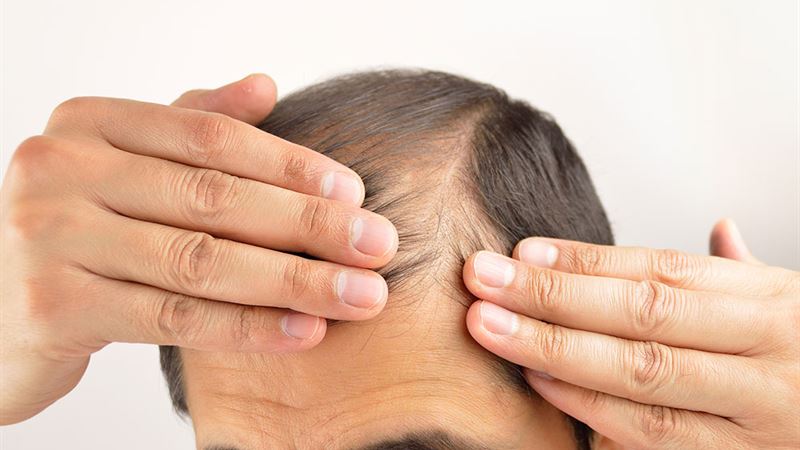
Hair loss, medically known as alopecia, affects millions of individuals worldwide. Recognizing its signs early can lead to more effective treatment options and better management. This comprehensive guide delves into the common symptoms, underlying causes, and various risk factors associated with hair loss, shedding light on how it impacts both men and women differently.
One of the most noticeable indicators of hair loss includes the appearance of patchy or circular bald spots. These patches often occur in specific areas such as the eyebrows, beard, or scalp, sometimes accompanied by itchy or painful skin before hair begins to shed. Understanding these symptoms is crucial for early diagnosis and intervention.
Another prevalent form of hair loss is progressive thinning at the crown or top of the head, predominantly seen in older adults. Men commonly experience receding hairlines and balding at the crown as they age, whereas women tend to experience a broadening of the central parting, leading to overall thinning. Recognizing these patterns can help differentiate between natural aging processes and medical conditions requiring treatment.
For some individuals, hair loss extends across the entire body. This can be caused by specific medical treatments such as chemotherapy, where hair tends to fall out gradually rather than suddenly. Such conditions typically result in temporary hair loss, with regrowth often occurring once the treatment concludes.
Sudden or abrupt hair shedding is another critical symptom, usually triggered by emotional stress, physical trauma, or significant shock. This type of hair loss manifests as noticeable thinning or hair falling out during routine activities like washing or brushing. Although alarming, this form of hair loss is generally temporary, with hair gradually regrowing over time.
Scaly patches that expand across the scalp are characteristic of fungal infections like ringworm, often accompanied by redness, swelling, broken hair strands, and oozing. Prompt diagnosis and treatment are essential to prevent further hair loss and scalp damage.
Understanding the causes of hair loss is fundamental to effective management. Normal daily hair shedding ranges from 50 to 100 strands, as part of the natural hair cycle, with new hair growth compensating for the loss. Hair loss becomes a concern when the shedding exceeds this normal range and is not replaced by new strands.
Various factors contribute to hair thinning and loss, including:
- Radiation therapy: Exposure to radiation in cancer treatments can damage hair follicles, leading to permanent hair loss in affected areas.
- Stress and emotional shocks: Significant emotional distress or physical trauma can induce temporary hair shedding, often occurring months after the stressful event.
- Genetics and heredity: The most common cause, male and female pattern baldness, is inherited and tends to worsen with age.
- Medications: Several drugs used to treat conditions like depression, gout, high blood pressure, cancer, and arthritis list hair loss as a side effect.
- Hormonal fluctuations: Changes due to pregnancy, childbirth, menopause, or thyroid disorders can lead to temporary or permanent hair loss. Scalp infections such as ringworm and conditions like trichotillomania contribute to hair thinning.
Risk factors that increase the likelihood of hair loss include:
- Advanced age
- Family history of baldness
- Poor nutrition and diet deficiencies
- Sudden weight loss campaigns
- Chronic illnesses such as diabetes and lupus
- High stress levels
Addressing hair loss involves understanding these underlying causes and adopting suitable treatment strategies. Whether through medication, lifestyle adjustments, or medical interventions, early detection remains key to preserving hair health and maintaining confidence.