
Effective Home Strategies to Alleviate Pollen Allergy Symptoms
Learn comprehensive, natural strategies to manage pollen allergies effectively. From protective clothing and dietary supplements to time management for outdoor activities and herbal remedies, these practical tips help reduce allergy symptoms and enhance comfort during pollen seasons. Discover how simple lifestyle changes can make a significant difference in controlling pollen allergy symptoms naturally and affordably.
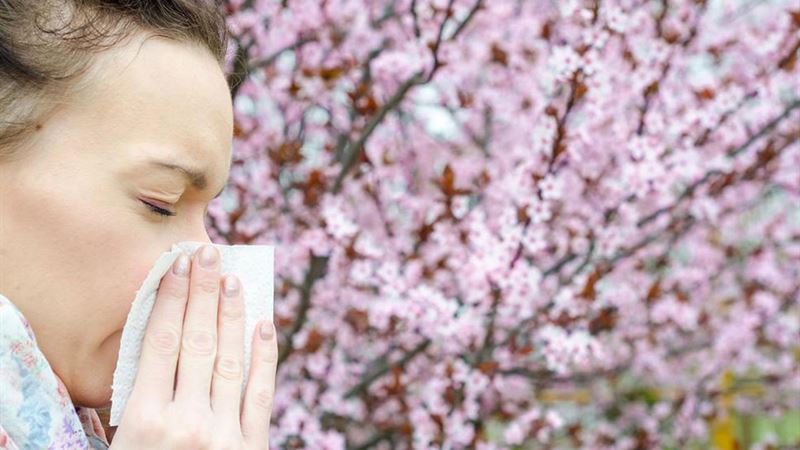
- Protect Your Eyes and Skin from Pollen Exposure
When spending time outdoors during pollen season, it’s crucial to shield your eyes and skin. Wearing wide-brimmed hats, sunglasses, and protective clothing can significantly reduce pollen contact, minimizing irritation and allergy flare-ups. Ensuring your apparel covers most of your skin not only adds a barrier but also helps prevent pollen particles from settling on your clothing and skin, reducing allergen transfer indoors. Always choose lightweight, breathable fabrics suitable for the weather to stay comfortable while staying protected. - Incorporate Dietary Supplements to Support Your Immune System
Omega-3 fatty acids, particularly fish oil supplements, are renowned for their anti-inflammatory properties. Regular intake can help lower leukotriene levels—a compound involved in allergic reactions—potentially decreasing the severity of pollen-induced asthma and allergy symptoms. These supplements are widely accessible over-the-counter, making them a convenient addition to your allergy management routine. Consult your healthcare provider before starting any new supplement, especially if you have existing health conditions or take other medications. - Adjust Outdoor Activity Times to Minimize Pollen Exposure
Pollen counts fluctuate throughout the day, typically peaking early mornings and mid-days. To lessen allergic reactions, plan outdoor exercises such as jogging, walks, or sports activities during late afternoons or early evenings when pollen levels tend to drop. Paying attention to local pollen forecasts can help you schedule outdoor pursuits during safer periods. Additionally, keeping windows closed at home during high pollen seasons and using air purifiers can improve indoor air quality and reduce allergen exposure.
- Maintain Clothing Hygiene and Personal Routines
Pollen often settles on clothing and hair, so it’s essential to change and wash clothes regularly—preferably daily—especially after outdoor activities. Showering after returning home helps remove pollen from your hair and skin, preventing the transfer indoors. Wear freshly laundered clothes and avoid sitting on furniture or beds with outdoor clothing or shoes to limit pollen exposure inside your house. This routine can greatly reduce allergy symptoms and improve overall comfort during pollen seasons. - Utilize Natural Anti-Inflammatory Remedies
Incorporate ingredients like turmeric into your diet. Turmeric contains curcumin, a potent natural anti-inflammatory and decongestant agent. Adding turmeric to your meals or drinking turmeric-infused beverages can help alleviate allergy symptoms, such as congestion and cold-like symptoms, by reducing inflammation in the respiratory pathways. Natural remedies like these are affordable, widely available, and typically free from adverse side effects, making them excellent complementary options for allergy relief.
Exploring natural methods for pollen allergy relief offers an effective and cost-efficient way to manage symptoms. From protective clothing and dietary supplements to lifestyle adjustments and herbal remedies, these approaches empower individuals to reduce discomfort and improve quality of life during allergy seasons. Always consult with healthcare professionals before making significant changes to your allergy management routine to ensure safety and effectiveness.