
Understanding Excessive Sweating: Signs, Causes, and Effective Treatments
Excessive sweating, or hyperhidrosis, affects many individuals worldwide. This comprehensive guide covers its types, causes, symptoms, diagnosis, and treatment options. Understand how to identify signs of hyperhidrosis, its connection to underlying health issues, and the best management strategies. From topical treatments to advanced procedures, discover effective ways to gain control over persistent sweating problems and improve your confidence and quality of life.
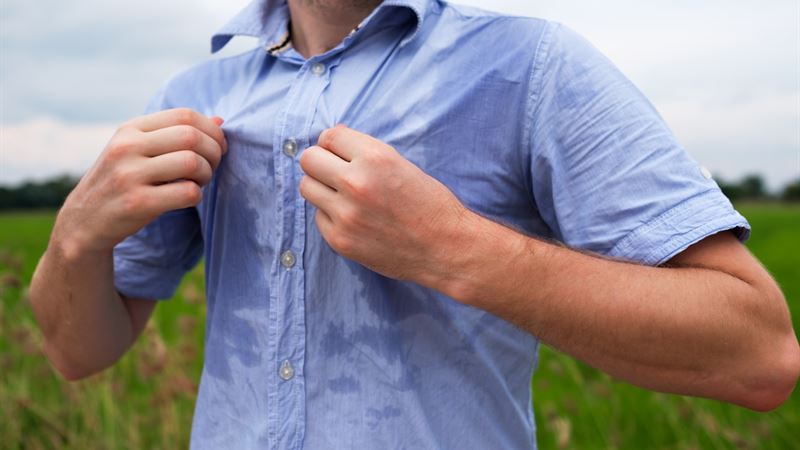
If you're experiencing unusual sweating patterns, understanding the condition thoroughly is essential. Here's comprehensive information about hyperhidrosis, including its causes, types, symptoms, diagnosis methods, and available treatment options to help you make informed decisions for better health and confidence.
What Is Excessive Sweating?
Excessive sweating, or hyperhidrosis, is a disorder characterized by unusually high perspiration that can occur even without physical exertion or elevated temperatures. This condition is often caused by an overactive sweat gland system that functions independently of the body's need to cool down. It can appear in various parts of the body, including the hands, feet, face, and underarms, leading to discomfort and social anxiety. Hyperhidrosis affects approximately 5% of Americans, highlighting its significance as a common yet often misunderstood condition.Understanding hyperhidrosis's underlying mechanisms and associated factors is vital for effective management. It can be classified mainly into primary hyperhidrosis, which is localized, and secondary hyperhidrosis, which is generalized and often linked to other medical issues.
Types of Excessive Sweating
- Primary Focal Hyperhidrosis: This is the most common form of hyperhidrosis, predominantly affecting specific areas like the palms, soles, face, and underarms. It usually starts in childhood or adolescence and tends to run in families. The localized nature of primary hyperhidrosis often makes it more manageable and predictable. People with this type often experience episodes triggered by emotional stimuli or stress, although sometimes sweating occurs spontaneously.
- Secondary Generalized Hyperhidrosis: This variation covers the entire body and is typically caused by underlying health issues or medication side effects. It can occur at any age and is characterized by persistent, often severe sweating that occurs regardless of external factors. Unlike primary hyperhidrosis, secondary hyperhidrosis may worsen during sleep or rest and often requires a thorough medical investigation to identify the causative condition.
Causes of Excessive Sweating
Excessive sweating can stem from numerous factors, which are broadly categorized as follows:
- Hyperthyroidism: An overactive thyroid gland speeds up metabolism and body functions, often leading to visible symptoms like weight loss, rapid heartbeat, and profuse sweating. This hormonal imbalance necessitates medical treatment to restore normal thyroid function.
- Cancer: Certain cancers, including Hodgkin’s and non-Hodgkin’s lymphomas, leukemia, and some solid tumors such as liver or bone cancers, can manifest symptoms like night sweats or excessive daytime sweating due to metabolic changes or immune responses.
- Medications: Some medications, including antidepressants, antihypertensives, and antibiotics, may induce excessive sweating as a side effect. It's important to consult your physician if you notice increased sweating after starting new drugs.
- Menopause: Women's hormonal fluctuations during menopause often trigger hot flashes, which are episodes of intense sweating coupled with rapid heartbeat and flushing.
- Psychological Factors: Stress, anxiety, and emotional distress can activate the body's sympathetic nervous system, leading to heightened sweating episodes, especially in social or stressful situations.
Recognizing the Symptoms of Excessive Sweating
Identifying hyperhidrosis involves observing specific symptoms, including:
- Persistent excessive sweating lasting over six months without apparent reason
- Symmetrical sweating affecting similar areas on both sides of the body
- Night sweats occurring at least several times a week
- Family history of hyperhidrosis or similar sweating issues
- Unexplained sweating in young individuals without physical activity
- Localized sweating in areas like palms, soles, face, or underarms without triggers
How Is Excessive Sweating Diagnosed?
- Starch-Iodine Test: This classic test involves applying a starch-iodine solution on the affected area. If the area turns dark blue or purple, it indicates excessive sweating.
- Paper Test: A specialized filter paper is placed on the sweaty region to absorb moisture. The paper is then weighed, and increased weight signifies high sweat production.
- Thermoregulatory Sweat Test: This diagnostic method involves applying a powder that changes color when exposed to moisture, helping pinpoint regions of overactivity.
Available Treatment Strategies
Once diagnosed, healthcare providers recommend tailored treatments based on severity and underlying causes. The main options include:
- Antiperspirants: Prescription-strength antiperspirants often contain aluminum chloride, which effectively reduces sweating in mild to moderate cases.
- Iontophoresis: This non-invasive technique uses low electrical currents to block sweat glands temporarily, especially useful for palmar and plantar hyperhidrosis.
- Medications: Oral anticholinergic agents can help diminish sweating by interfering with nerve signals that stimulate sweat glands. However, potential side effects should be discussed with a doctor.
- Botulinum Toxin Injections (Botox): Botox temporarily blocks nerve signals to sweat glands, providing relief for several months. Multiple injections are typically needed for optimal results, especially in severe cases.
- Surgical Approaches: In persistent or severe cases, procedures such as removing sweat glands or performing sympathectomy (cutting nerves responsible for sweat signals) may be considered, but these carry risks and should be approached cautiously.
It is crucial to consult healthcare professionals before starting any over-the-counter or prescription treatments for hyperhidrosis, ensuring safety and efficacy tailored to individual needs.