Explore effective dietary strategies for Crohn’s disease management, emphasizing the role of probiotics to restore gut health. Learn about beneficial foods, those to avoid, and how personalized diets can help control symptoms and improve quality of life.
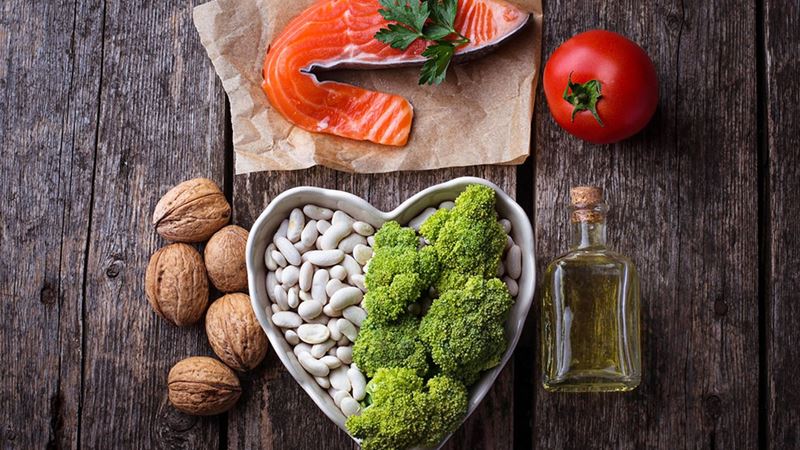
Proper gut health is vital for overall well-being, especially for individuals living with Crohn’s disease. A balanced diet tailored specifically for Crohn’s patients can significantly alleviate symptoms and improve quality of life. Central to this approach is incorporating probiotics—beneficial live bacteria—that help restore gut flora, promote digestion, and strengthen immunity. In this lengthy guide, we delve into the importance of gut bacteria, how probiotics influence Crohn’s management, and detailed dietary recommendations suited for various stages of the disease.
Understanding Gut Microflora and Its Impact
The human gastrointestinal (GI) tract hosts trillions of microorganisms collectively known as gut microbiota. Among these, beneficial bacteria play crucial roles in nutrient absorption, immune modulation, and maintaining intestinal health. When this microbial balance is disrupted—as often occurs in Crohn’s disease—symptoms worsen, and the risk of infections and complications increases. Common causes of imbalance include antibiotic use, poor diet, stress, and inflammation.
The Significance of Good Bacteria in Digestive Health
Good bacteria assist in breaking down complex foods, synthesizing vitamins, and preventing harmful microbes from colonizing the gut. An optimal ratio of beneficial bacteria ensures inflammatory responses are kept in check and the intestinal lining remains intact. Crohn’s patients frequently experience depletion of these vital microbes, leading to digestive issues, increased inflammation, and nutrient deficiencies.
Incorporating Probiotics as a Therapeutic Measure
Probiotics—live microorganisms that confer health benefits—have gained attention as an adjunct therapy for Crohn’s disease. They are naturally present in fermented foods like yogurt, kefir, sauerkraut, and dietary supplements. The primary aim of probiotic consumption is to restore the natural microbial balance and potentially mitigate inflammatory processes. While research continues to explore their full role, current evidence suggests that probiotics can help manage symptoms, especially during flare-ups.
Potential Benefits of Probiotics for Crohn’s Disease Patients
Although probiotics are not a cure, they can support symptom control by replenishing essential gut bacteria lost during active disease phases. Reintroduction of these microbes aids in healing the intestinal mucosa, reducing inflammation, and improving digestive function. It is important to remember that probiotic strains vary, and individual responses may differ, so consultation with healthcare providers is necessary before adding them to your treatment plan.
Evaluating the Role of Probiotics in Treatment
Scientific studies on probiotics for Crohn’s disease present mixed results. Some clinical trials report improvements in stool consistency, frequency, and inflammation markers, while others show minimal benefits. Experts agree that probiotic therapy should complement conventional treatments and dietary modifications rather than replace them. A tailored approach, considering specific strains and patient tolerances, is critical for success.
Dietary Recommendations for Crohn’s Disease Patients
Since Crohn’s manifests differently among individuals, personalized dietary plans are essential. Identifying trigger foods and focusing on nutrient-rich, easily digestible meals can ease symptoms during remission and flare-ups. This comprehensive guide provides insights into food choices that promote gut healing and reduce discomfort.
- Plant-Based Milk Alternatives
- Eggs
- Oatmeal
- Vegetable Purees and Soups
- Lean Protein Sources
- Digestible Fruits like Bananas and Papayas
- Mashed Potatoes
- Healthy Fats like Avocado
- Almond milk offers a dairy-free, calcium-rich alternative, suitable for lactose-intolerant Crohn’s patients.
- Eggs provide affordable, high-quality protein that is gentle on the digestive system.
- Oatmeal, rich in soluble fiber, supports hydration and smooth transit through the intestines.
- Pureed vegetable soups deliver necessary nutrients without irritating inflamed tissues.
- Seafood prepared through steaming, boiling, or grilling supplies lean, digestible protein.
- Tropical fruits like bananas and papayas are nutrient-dense and easy to process. Papayas contain enzymes aiding in protein digestion.
- Mashed potatoes serve as comforting, easy-to-digest carbohydrate sources after flare-ups.
- Avocado provides healthy monounsaturated fats and is gentler on sensitive digestive organs.
Foods to Limit or Avoid in Crohn’s Disease
- Alcoholic beverages such as beer and wine
- Butter, margarine, mayonnaise, and cooking oils
- Coffee, tea, and chocolate products
- Fatty, fried, or greasy foods
- Foods that cause bloating and excessive gas
- Spicy dishes that can irritate the gut lining
- Red meats, especially processed or high-fat cuts
Probiotics are generally safe for most Crohn’s patients; however, individuals with compromised immune systems or severe flare-ups should consult their healthcare provider before making dietary changes. Personalized diet planning, guided by medical advice, is essential to ensure that probiotic intake and food choices are appropriate for each person’s unique condition.
