
Comprehensive Guide to Foods That Worsen Ulcerative Colitis Symptoms
This comprehensive article explores foods that can worsen ulcerative colitis symptoms, including sulfur-rich foods, caffeine, gluten, high-fiber items, and nuts. It offers practical guidance on dietary modifications to reduce flare-ups, emphasizing personalized nutrition strategies to manage inflammation and promote gut healing effectively. Learn which foods to avoid and which nourishing options support better health during UC management, ensuring a more comfortable and symptom-free life.
Managing ulcerative colitis (UC) requires careful attention to diet, as certain foods can trigger flare-ups or worsen existing symptoms. Understanding which foods to avoid is essential for maintaining remission and improving quality of life. In this comprehensive guide, we explore various dietary triggers that can aggravate UC, including foods rich in sulfur, caffeine, gluten, high-fiber items, and nuts and seeds. Armed with this knowledge, patients can make informed dietary choices to minimize discomfort and promote intestinal health.
Ulcerative colitis is a chronic inflammatory condition of the colon and rectum, characterized by episodes of diarrhea, abdominal pain, cramping, and sometimes bleeding. While medications play a vital role in management, diet is equally crucial. Certain foods can act as irritants, exacerbating inflammation and prolonging flare-ups. This article delves into the specific foods that are commonly linked with worsening UC symptoms and provides practical guidance on avoiding them.
Foods Containing Sulfur and Their Impact
Sulfur is a naturally occurring element that, in some foods, can lead to increased gas production in the gut. For individuals with UC, this excess gas can irritate the intestinal lining, resulting in heightened discomfort. Sulfates, a compound derived from sulfur, serve as fermentable substrates for specific gut bacteria, which produce hydrogen sulfide (H2S) gas—a known irritant for inflamed colonic tissue. This process, called fermentation, can aggravate UC symptoms.
Foods high in sulfur include dairy products such as milk, cheese, and yogurt, owing to their natural sulfur content. Cruciferous vegetables like broccoli, cabbage, cauliflower, and Brussels sprouts are also rich in sulfur compounds. Additionally, dried fruits like raisins, red meats, processed bread, pasta, and legumes like peanuts contain significant sulfates.
Limiting or avoiding these foods during flare-ups can help reduce symptom severity. Incorporating low-sulfur alternatives, such as non-dairy milk or gentle vegetables, may aid in managing inflammation.
Caffeine and Its Role in UC Symptom Flare-Ups
Caffeine, a stimulant present in coffee, tea, chocolates, and energy drinks, is known to speed up gastrointestinal motility. While moderate caffeine intake is often tolerated, excessive consumption can lead to rapid transit times in the colon, resulting in more frequent and urgent bowel movements.
This increased motility can irritate the inflamed colon lining, causing pain and discomfort, especially during active flare-ups. Healthcare providers often recommend reducing caffeine intake for UC patients. Alternatives like herbal teas, fruit-infused water, or nutrient-rich vegetable juices can provide hydration and energy without exacerbating symptoms.
Gluten and Its Potential in Triggering UC Symptoms
Gluten, a protein found in wheat, barley, and rye, has been linked to digestive disturbances in some individuals, especially those with gluten sensitivity or celiac disease. Increasing evidence suggests that gluten may also contribute to inflammation in UC patients.
Foods containing gluten—such as bread, pasta, cereals, baked goods, and many processed foods—should be carefully monitored or avoided if they trigger symptoms. Gluten-containing products also often contain fructans, a type of carbohydrate that can worsen irritable bowel syndrome-like symptoms.
Reading ingredient labels diligently and choosing gluten-free alternatives can significantly reduce the risk of flare-ups. Emphasizing naturally gluten-free grains like rice, quinoa, and corn is a good strategy for maintaining gut health during UC management.
High-Fiber Foods and Their Impact on UC
Dietary fiber plays a vital role in healthy digestion for most individuals. However, during active UC, high-fiber foods can become problematic. Fiber increases bulk and stimulates bowel movements, which may promote inflammation and exacerbate symptoms like cramping and diarrhea.
A low-residue diet, which minimizes fiber intake, is often recommended during flare-ups to reduce bowel irritation. Avoiding whole grains, rough vegetables, and high-fiber fruits can help achieve this. Instead, opt for well-cooked, peeled, or pureed vegetables and refined grains to lessen gut stress.
Understanding which high-fiber foods to limit is essential. For example, whole wheat bread, oats, brown rice, and certain fruits like apples and berries with skins should be reduced or prepared properly.
Nuts, Seeds, and Other Hard-to-Digest Foods
Nuts and seeds are dense in nutrients but are tough on the digestive system during UC flare-ups. Their high fat content requires more digestive effort, and their fibrous structure can irritate the inflamed colon lining.
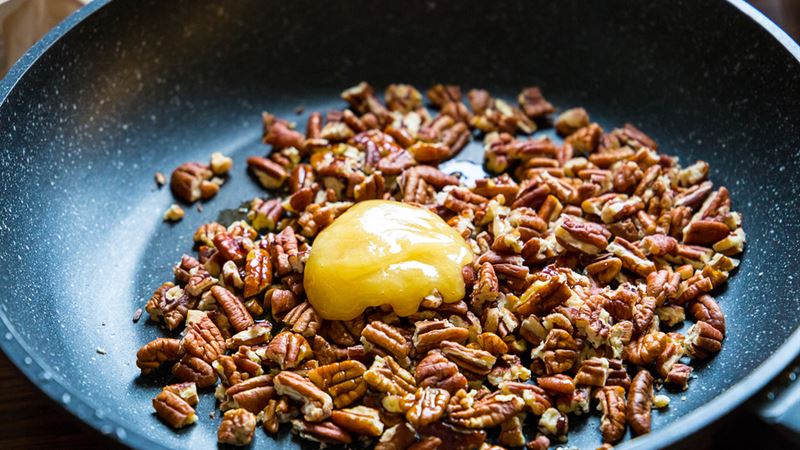
Avoid nuts such as walnuts, pistachios, peanuts, cashews, almonds, pecans, and seeds including flax, pumpkin, sunflower, pine nuts, and sesame seeds when experiencing active symptoms. These foods can leave behind residues that prolong irritation and impede healing.
During remission, small quantities of well-chewed nuts and seeds may be reintroduced gradually, but caution is advised. Prioritizing cooked or pureed vegetables and refined grains can provide nourishment without aggravating UC.
Additional Dietary Tips for UC Management
Besides avoiding specific trigger foods, adopting a well-balanced, gentle diet tailored to your condition is important. Focus on easily digestible foods, small frequent meals, and staying well-hydrated.
Cooked vegetables, lean proteins like chicken or fish, and low-fat dairy (if tolerated) are generally safe choices. Use cooking methods that preserve nutrient content but reduce irritation, such as steaming or boiling.
Consult with a healthcare professional or registered dietitian to develop a personalized diet plan suited to your specific needs. Regular monitoring of symptoms and dietary responses can help maintain remission and improve quality of life.
Adopting a low-residue and low-fat diet during active phases can significantly decrease inflammation and promote healing. Avoid processed foods, fried items, and sugary snacks to prevent additional bowel stress.
In conclusion, managing UC effectively involves identifying and avoiding foods that trigger symptoms, along with a balanced, nutrient-rich diet. Awareness of foods high in sulfur, caffeine, gluten, fiber, and nuts allows for better symptom control and supports overall intestinal health.