
Comprehensive Guide to Selecting the Perfect Boiler for Your Home
Discover everything you need to know about selecting the perfect boiler for your home. This guide covers types, fuel options, costs, and key considerations to help you make an informed decision for efficient heating and hot water supply. Learn about combi, system, and conventional boilers, along with their advantages and drawbacks. Understand fuel choices such as gas, oil, and electric, and find out how to balance cost, performance, and environmental impact. Make the best investment for your household's comfort and energy savings today.
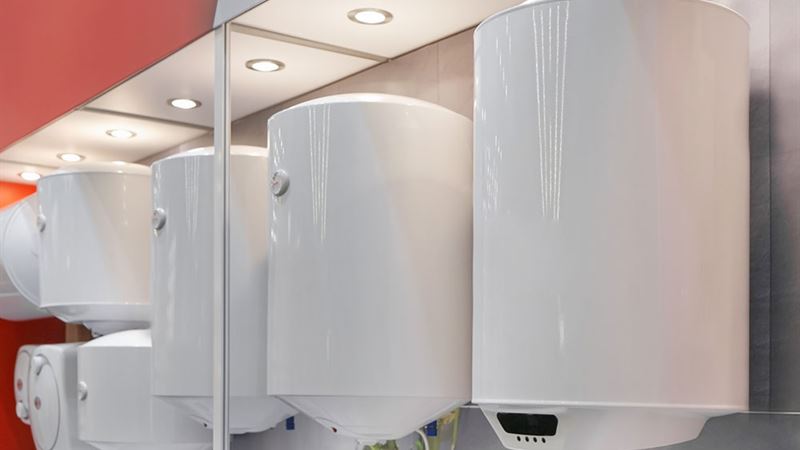
Understanding the functioning of a boiler is crucial for homeowners aiming to ensure efficient heating and hot water supply. A boiler heats water through various fuels, distributing it via a network of pipes to radiators or hot water outlets in your household. Depending on the type, boilers can produce either steam or hot liquid water, with fuel options including natural gas, propane, heating oil, or electricity. Selecting the right boiler involves many considerations, including compatibility with your radiators, energy efficiency, fuel type, size, and cost. This extensive guide provides all the insights needed for making an informed decision when purchasing a boiler for residential use.
Properly choosing a boiler is essential for both comfort and cost savings. The right model can significantly reduce energy bills, improve heating efficiency, and last for many years if selected correctly. This guide explores the different types of boilers available today, their features, advantages, and potential drawbacks, helping you understand what best suits your household needs. Whether you're upgrading an old system or installing a new one, this comprehensive overview will steer you toward the most suitable boiler for your home.
## Types of Boilers and Their Key Features
- Combination (Combi) Boilers
Combining heating and hot water supply in a single compact unit, combi boilers are a popular choice for small to medium-sized homes due to their space-saving design. These boilers heat water directly from the mains as needed, eliminating the need for a storage tank. Their efficiency stems from only heating water on demand, which reduces energy waste. This makes combi boilers highly energy-efficient and ideal for homes with limited space or those seeking a straightforward heating solution.
However, their flow rate is limited, meaning that when multiple taps or appliances are used simultaneously, water pressure can decrease. This setup is suitable for households with moderate hot water demands and fewer bathrooms. The installation process is simpler and less intrusive, making it a preferred choice for renovations or smaller properties. The initial cost of a combi boiler varies based on capacity and brand, but overall, they tend to be more affordable upfront compared to traditional systems. - System Boilers
System boilers require a hot water storage cylinder but do not need a cold water tank, simplifying installation compared to traditional models. They are designed to supply hot water to multiple outlets simultaneously, making them suitable for larger households or homes with high hot water demands. The presence of a hot water cylinder allows these boilers to store a reserve of heated water, ensuring instant availability when needed.
One of their main advantages is energy efficiency, as they do not lose much heat through the tank or pipes, especially when fitted with modern insulation. These boilers are more reliable for larger households because they can provide a consistent hot water supply to several taps without a significant drop in pressure. Their downside is the increased space requirement due to the hot water tank, and installation costs tend to be higher than combi boilers. Nonetheless, their capacity to serve multiple outlets makes them a popular choice for family homes and residences with extended hot water demands. - Conventional (Regular) Boilers
Conventional boilers are characterized by their need for both a cold water storage tank and a hot water cylinder, often making them larger than other types of boilers. They are particularly well-suited for older homes or properties with existing radiator systems that are compatible with traditional heating setups. These models can produce significant volumes of hot water, suitable for households with higher demands or multiple bathrooms.
However, these systems need time to reheat their stored water, meaning hot water may temporarily run out if demand is high. This can be inconvenient for busy households. Additionally, conventional boilers tend to be more complex to install and maintain, requiring more space and regular servicing. Despite these factors, they remain the ideal choice for larger homes that require robust, continuous hot water supply and have existing infrastructure conducive to this setup.
## Fuel Options for Boilers: What You Need to Know
- Gas Boilers
Gas-powered boilers are among the most widely used due to their cost-effectiveness and high efficiency. They connect directly to the national gas network, enabling continuous operation and quick heating responses. Modern condensing gas boilers offer impressive energy efficiency by recovering heat from exhaust gases, reducing fuel consumption.
However, gas boilers require regular safety inspections to prevent leaks or potential hazards. They are only feasible in locations with access to a reliable gas supply, and installation must be carried out by certified professionals to ensure safety and compliance with regulations. - Oil Boilers
In areas where natural gas isn't available, oil boilers serve as a reliable alternative. These units need an oil tank, which can be installed near the property. Oil boilers are known for their durability and efficiency, capable of serving large households with high hot water usage requirements.
Operational costs depend heavily on oil prices, which tend to fluctuate based on the market. While initial setup is often cost-effective, ongoing fuel costs can be higher compared to gas. Proper maintenance is essential for safe and efficient operation, including regular cleaning and inspection of components. - Electric Boilers
Electric boilers provide a clean, quiet, and space-saving heating solution, especially suitable for homes without access to gas or oil. They work by converting electricity into heat, providing instant hot water and heating.
Electric boilers are generally easier to install and require less maintenance. They are also more environmentally friendly in areas where renewable energy sources are prevalent. However, their operating costs can be higher compared to gas or oil boilers, particularly in regions with expensive electricity rates.
## Cost Considerations When Buying a Boiler
Cost is a critical factor in selecting the right boiler. Prices vary widely depending on the type, size, features, and complexity of installation. On average, the initial purchase and installation can range from approximately $4,000 to over $15,000. While this may seem high initially, the longevity of boilers—often lasting between 15 to 20 years—makes it a worthwhile investment.Additional costs may include replacement parts, maintenance, and upgrades, with typical boiler replacement expenses falling between $1,200 and $16,000. Proper installation by qualified technicians not only ensures safety but also optimizes energy efficiency and longevity, ultimately saving money in the long term. When budgeting, consider the total cost of ownership, including fuel, maintenance, and potential upgrades, to make an informed decision.
In summary, investing in the right boiler involves understanding the different types, fuel options, and financial implications. Whether you prioritize space-saving design, high hot water demands, or eco-friendliness, there is a suitable boiler for every household. Consulting with licensed professionals can further assist in selecting and installing the best system tailored to your specific needs, ensuring comfort, efficiency, and safety for years to come.