
Comparative Analysis of Instant Water Heaters and Storage Water Heaters: Benefits, Drawbacks, and Selection Tips
This comprehensive guide compares instant and storage water heaters, detailing their features, advantages, and limitations. It helps homeowners select the best water heating solution based on household size, space, budget, and eco-friendliness, ensuring efficient and reliable hot water supply tailored to individual needs.
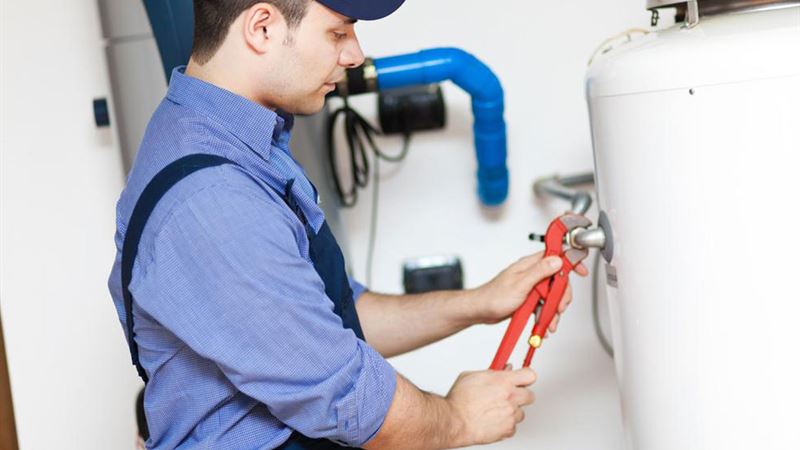
Choosing the right water heating appliance is essential for ensuring comfort, efficiency, and cost-effectiveness in your household. Among the popular options are instant water heaters and storage water heaters—each with specific advantages and limitations. Understanding their features, benefits, and potential drawbacks is crucial for making an informed decision tailored to your living requirements.
In this comprehensive guide, we will explore in detail the differences between instant and storage water heaters, evaluate their respective pros and cons, and provide practical tips to help you select the ideal water heating solution based on your needs, budget, and environmental considerations. We aim to equip homeowners and professionals with detailed insights for choosing the most suitable hot water system for their homes or commercial establishments.
Overview of Instant Water Heaters
Instant water heaters, also known as tankless or on-demand water heaters, heat water only when you need it. They do not store hot water in a tank but heat the water directly as it flows through the unit, providing hot water instantaneously upon demand. This design offers several advantages, especially for those seeking space-saving and energy-efficient solutions.
Pros of Instant Water Heaters
- Energy Efficiency: These systems consume power only during operation, making them economical during short hot water needs.
- Compact Size: Their small footprint makes them ideal for apartments, small kitchens, or utility spaces with limited room.
- Eco-Friendly: They generate fewer carbon emissions compared to traditional models due to their efficient energy use.
- Continuous Hot Water Supply: Instant heating ensures a steady flow of hot water without running out, suitable for multiple users or continuous use.
- Reduced Maintenance: With fewer components like tanks, maintenance tends to be simpler and less costly.
Cons of Instant Water Heaters
- Higher Power Consumption During Use: They require significant power when operating, which may impact your electricity bill.
- Limited for Shower Baths: The flow rate may not be sufficient for high-volume needs such as filling a bathtub or multiple outlets simultaneously.
- Installation Cost: Although operational costs are low, initial installation may be more expensive due to specialized wiring and setups.
- Dependence on Water Flow Rate: The hot water temperature can vary based on water flow; low flow might result in insufficient heating.
Overview of Storage Water Heaters
Storage water heaters, also called tank-type heaters, store hot water in a insulated tank for immediate use. They preheat water and keep it ready, making them a reliable source of hot water for varying household needs.
Pros of Storage Water Heaters
- Availability of Hot Water: The stored hot water can be used repeatedly until the tank depletes, suitable for large households or high-demand scenarios.
- Lower Initial Cost: Typically, these units are cheaper to purchase and install.
- Ease of Use: They ensure immediate hot water availability, making them hassle-free for families with diverse hot water requirements.
- Compatibility: They can work effectively with existing plumbing and electrical systems.
Cons of Storage Water Heaters
- Energy Consumption: Maintaining the temperature in the tank consumes energy constantly, leading to higher utility bills.
- Size and Space: Their larger size demands ample space, which could be a constraint in small residences.
- Risk of Tank Leakage: The presence of a tank means potential issues like corrosion or leaks, requiring maintenance and repairs.
- Limited Hot Water Supply: Once the stored hot water is exhausted, there is a delay until the tank refills and reheats.
Factors to Consider When Choosing a Water Heater
- Household Size and Hot Water Usage: Larger families with high hot water demand may benefit from storage tanks, while singles or couples might prefer instant heaters.
- Space Constraints: Apartments or compact homes should consider the size of the heater.
- Energy Efficiency Goals: Environment-conscious consumers may lean towards eco-friendly instant heaters.
- Budget: Initial investment versus ongoing operational costs should guide your decision.
- Installation and Maintenance: Simpler setups and minimal maintenance are advantageous for busy households.
After evaluating your specific requirements, consider consulting with a professional for installation and technical support. Both types of water heaters are available from reputable brands that offer various models with additional features like digital controls, safety mechanisms, and smart connectivity. Comparing specifications, warranties, and customer reviews can help you make a well-informed choice.
In conclusion, selecting between an instant water heater and a storage water heater depends on your household's size, budget, space availability, and environmental priorities. While instant heaters shine in space efficiency and eco-friendliness, storage tanks excel in reliability for high-demand households. Thorough research and professional advice are recommended to find the best match for your needs, ensuring comfort, savings, and sustainability.