
Comparing Traditional Tankless and Modern Tankless Water Heating Systems
This comprehensive guide compares traditional storage tank water heaters and modern tankless systems, highlighting their features, benefits, costs, and suitability for various household needs. Learn how to choose the best hot water system for your home, considering efficiency, capacity, and budget to make an informed decision that ensures reliable hot water supply and energy savings.
Understanding Conventional Storage Tank Water Heaters
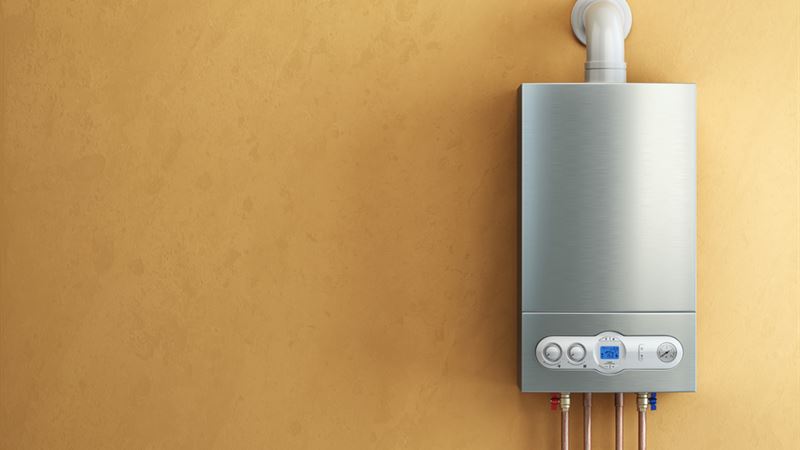
Traditional storage tank water heaters have long been a staple in households worldwide. Their design simplicity, proven reliability, and affordability make them a popular choice for domestic hot water needs. These units operate by storing a specified volume of water—typically between 20 and 80 gallons—in an insulated tank. The water is heated continuously or on demand, depending on the model, and kept ready for use whenever needed.
The core principle behind tank-based water heaters is straightforward: the heater warms the water stored inside the tank using various fuel sources such as electricity, natural gas, propane, or oil. When hot water is drawn for showers, sinks, or appliances, the heated water exits from the top of the tank, and cold water flows into the bottom, maintaining a consistent supply. This process ensures immediate access to hot water, but it does come with specific energy consumption patterns and operational costs.
Modern advancements have introduced more energy-efficient models, many of which carry an ENERGY STAR certification, indicating adherence to strict environmental standards. These improvements include better insulation, more precise temperature controls, and the integration of smart technology for optimized operation. Transitioning from one fuel type to another—say, switching from gas to electric—may involve some setup adjustments, but overall, it remains manageable with minimal modifications to your existing plumbing and wiring.
While storage tank system simplicity is appealing, they do have limitations. A primary concern is the finite hot water reserve, which might be exhausted during periods of high demand. For instance, simultaneous showers or running appliances can momentarily drain the tank, leading to a shortage of hot water until the system reheats or refills. Nevertheless, for most households with moderate hot water needs, these issues are manageable and easily mitigated by selecting a tank size suited to their consumption patterns.
Several brands and suppliers offer reputable storage tank water heaters. You can purchase from trusted retailers such as:
- Tank Store
- State Water Heaters
- Bradford White Water Heaters
- Amazon
- Chewy.com
- Sears.com
- Marey.com
The Rise of Tankless Water Heaters
While traditional tank models remain popular, tankless water heaters have gained significant traction in recent years. This is mainly due to their sleek design, energy-saving potential, and on-demand hot water delivery. Unlike their tank-based counterparts, tankless units do not store hot water but generate it as necessary, providing a continuous supply without the need for large storage tanks.
These compact units, which are typically wall-mounted, heat water instantly as it flows through the system. Cold water enters the unit, is rapidly heated via electric resistance elements or gas burners, and emerges as fully heated water within seconds. Because they only operate when hot water is demanded, tankless systems consume less energy over time, leading to substantial savings on utility bills.
Efficiency-wise, tankless water heaters are approximately 30% more efficient than traditional storage tanks. However, their initial investment tends to be higher, often nearly double the price of traditional models. This cost includes not only the unit itself but also potential installation modifications—adjusting existing plumbing or venting to accommodate the new system.
One compelling benefit of tankless systems is their virtually limitless hot water supply, making them suitable for large families or demanding household setups. However, they also come with considerations; for instance, simultaneous hot water demands (like taking a shower while running the dishwasher) might overload the unit, leading to reduced flow rates and slower heating. To avoid such issues, multiple units may be installed in larger homes, or the system specifications must be carefully matched to household needs.
Several manufacturers produce high-quality tankless water heaters. Well-regarded options include:
- Rinnai
- American Water Heaters
- Noritz
- Takagi
- EcoSmart
- Navien Inc.
Key Factors in Selecting Your Ideal Hot Water System
Choosing between a traditional tank and a tankless water heater depends on multiple factors. Cost remains a significant consideration, including initial purchase price, installation expenses, and ongoing energy usage. The efficiency of the system is another vital aspect, especially in regions with high energy costs or environmentally conscious households.
Household water consumption patterns influence the decision—larger families or homes with high hot water demand may benefit from tankless units designed for multiple outlets. Conversely, smaller households might find a standard tank sufficient and more economical.
Longevity and maintenance requirements also differ. Tankless systems generally have longer operational lifespans—often exceeding 20 years—while traditional tanks tend to last around 10-15 years. Regular maintenance, such as flushing sediments and checking anode rods, is crucial for both types but may be more straightforward for tankless units.
Before making a final decision, consulting with a water heating expert can help identify the most suitable system for your specific needs. Conducting comprehensive research, understanding local climate conditions, and assessing your household’s hot water requirements are essential steps toward a smart investment.
Ultimately, the goal is to select a system that balances upfront costs, long-term savings, reliability, and your household’s specific hot water usage patterns. Proper installation and quality service are vital to maximize efficiency and longevity of the chosen system.