
Essential Dietary Recommendations for Supporting Metastatic Breast Cancer Patients
Discover comprehensive dietary strategies to enhance health and wellbeing for metastatic breast cancer patients. Learn about nutrient-rich foods, anti-inflammatory spices, and essential nutrients to support immunity, reduce symptoms, and promote recovery through tailored nutrition plans designed for optimal health outcomes.
Nutrition plays a pivotal role in supporting the immune system, reducing treatment side effects, and improving quality of life for those battling metastatic breast cancer. Incorporating certain foods can provide essential nutrients and bioactive compounds that may aid in managing symptoms, enhancing recovery, and potentially slowing disease progression. Here, we explore a comprehensive list of foods that are not only part of a healthy diet but are also specifically beneficial for individuals with metastatic breast cancer, helping to boost overall health and support the body's natural defenses.
- Fruits and vegetables with vibrant hues are rich in phytochemicals and antioxidants that support cellular health and immune function. Including a variety of colorful produce can maximize nutrient intake essential for healing and recovery.
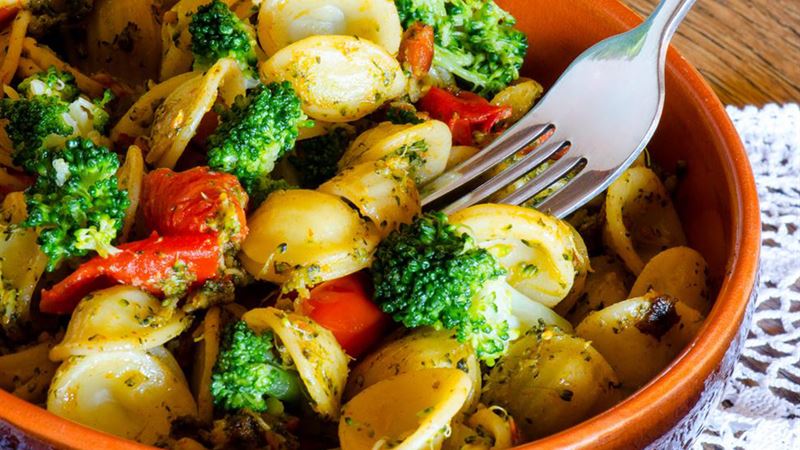
- Cruciferous vegetables such as cauliflower, kale, broccoli, and Brussels sprouts are known for their anti-estrogen properties and potential anti-cancer benefits. These vegetables can be incorporated into meals as snacks or main courses, providing vital nutrients while also contributing to hormone regulation.
- Whole grains, legumes, and beans are excellent sources of dietary fiber, which supports digestive health and helps regulate blood sugar levels. These foods should form a staple part of the diet to promote sustained energy and overall wellbeing.
- Low-fat dairy products, including skim milk, yogurt, and cheese, supply calcium and vitamin D, which are important for bone health—especially significant for breast cancer patients at risk of osteoporosis.
- Soy-based foods such as tofu, tempeh, and soy milk offer plant-derived proteins and phytoestrogens that may aid in hormone regulation and tissue repair.
- Vitamin D-rich foods, mainly found in fortified products, certain fish, and exposure to sunlight, are vital for immune system functioning and may have protective effects against cancer progression.
- Incorporating anti-inflammatory spices like turmeric and ginger can help reduce inflammation and alleviate discomfort associated with cancer and its treatments.
- Green tea is a potent source of antioxidants known as catechins, which can assist the body in eliminating toxins generated from treatments and support overall cellular health.