
Comprehensive Nutritional Strategies for Managing Sickle Cell Anemia
This comprehensive guide emphasizes the importance of tailored nutrition and lifestyle strategies in managing sickle cell anemia. It highlights nutrient-rich foods, calorie-boosting tips, hydration advice, and the necessity of medical consultation to optimize health. Proper diet can alleviate symptoms, strengthen immune function, and improve quality of life for patients with sickle cell disease through careful nutritional planning and professional guidance.
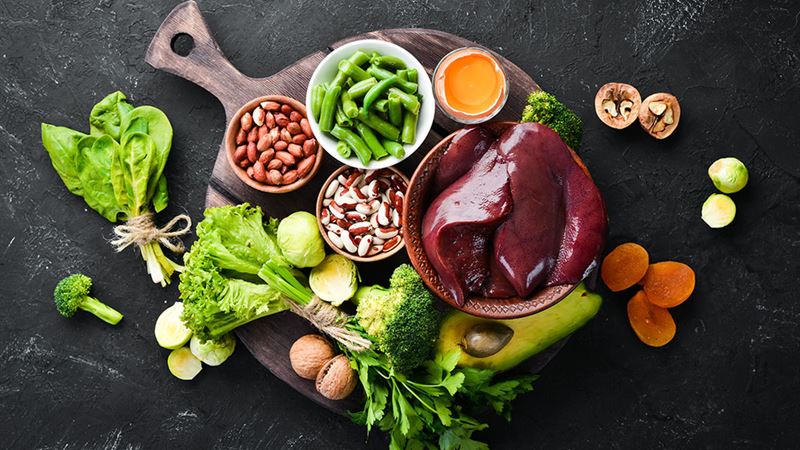
- Whole grains, rice, and cereals: Rich in vitamin B complex, magnesium, folate, and selenium, these foods support red blood cell production and overall energy levels.
- Milk, cheese, and yogurt: Excellent sources of vitamin D and calcium, crucial for maintaining bone health, which can be compromised in sickle cell disease.
- Certain vegetable oils: Contain high levels of vitamin E and essential fatty acids, offering antioxidant benefits that help protect cells from oxidative stress.
- Meats, nuts, seeds, and legumes: Packed with protein, zinc, and iron, these foods are vital for rebuilding and maintaining healthy red blood cells.
- Green leafy vegetables and fruits: Provide high doses of vitamin A, vitamin C, folate, and fiber that support immune function and tissue repair.
People with sickle cell anemia often require increased caloric intake to compensate for higher metabolic demands and to prevent weight loss. Ensuring sufficient calories can help improve energy levels, reduce fatigue, and maintain optimal body weight — factors that are crucial for managing the disease effectively. Here are practical strategies to boost daily calorie consumption:
- Eat three balanced meals daily, complemented with nutritious snacks to sustain energy between meals.
- Add sauces and gravies rich in healthy fats to meals for extra calories.
- Incorporate calorie-dense ingredients like beans, cheese, and nuts into salads and dishes.
- Cook vegetables and meats using healthy oils such as olive or avocado oil to add caloric content.
- Prepare hearty soups and sauces, enhanced with powdered milk or other calorie-rich additives.
- Include avocados, whole milk, and various nuts in your diet as substantial calorie sources.
- Opt for healthy beverages like natural fruit juices and avoid sugary sodas or sports drinks that offer little nutritional benefit.
Dehydration can exacerbate sickling of red blood cells, increasing the risk of complications. Proper hydration is therefore critical in managing sickle cell anemia. Drinking adequate fluids, especially water, can help keep the blood less viscous, preventing blockages caused by sickled cells. Patients are encouraged to maintain steady fluid intake throughout the day, adjusting for activity level and climate conditions.
While nutritional strategies are essential, individual needs vary significantly among patients. It is highly recommended to consult with healthcare providers or registered dietitians before making significant diet alterations. Medical professionals can provide personalized guidance, helping identify specific foods that should be included or avoided based on individual health status, disease severity, and overall nutritional needs. Proper medical supervision ensures that dietary modifications support optimal health outcomes and reduce potential risks.