
Essential Nutritional Strategies to Support Patients with Chronic Myeloid Leukemia
This comprehensive guide offers vital nutritional strategies for managing chronic myeloid leukemia. It emphasizes the importance of protein, probiotics, fruits, vegetables, whole grains, and healthy fats in supporting immune health, boosting energy, and promoting recovery. Proper diet plays a crucial role in supplementing medical treatments and enhancing quality of life for patients with CML. Learn how to incorporate nutrient-dense foods into daily routines to build resilience and improve overall health during treatment.
Managing chronic myeloid leukemia (CML) involves a comprehensive approach that combines medical treatment with tailored nutritional strategies. Proper diet plays a crucial role in boosting the immune system, maintaining strength, and supporting overall health during treatment. This detailed guide explores the best dietary choices and foods that can help patients with CML build resilience and improve their quality of life. From protein sources to antioxidants, understanding the role of nutrition is vital for effective management of the condition.
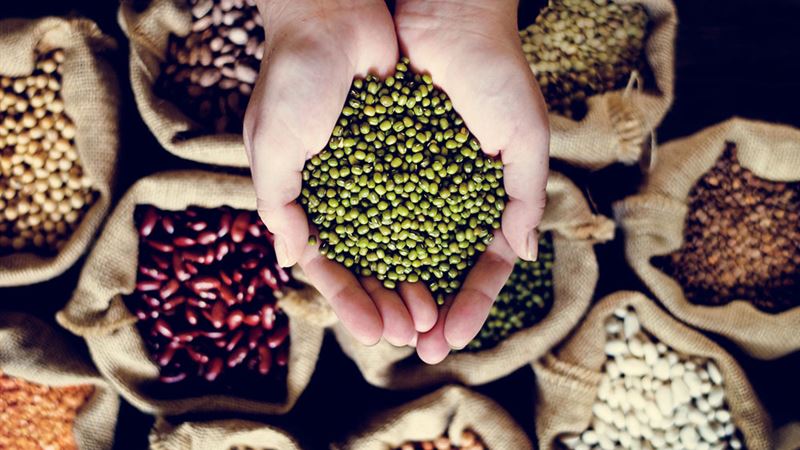
One of the foundational aspects of a supportive diet for CML patients is the intake of high-quality protein sources. Proteins are essential for tissue repair, immune function, and maintaining muscle mass, which can often be compromised during cancer treatments. Incorporating a variety of protein-rich foods ensures the body gets the nutrients it needs to heal and stay strong. Eggs, lean meats, fish, soy products, beans, lentils, nuts, and dairy items are excellent choices, providing a broad spectrum of amino acids necessary for recovery and strength.
Probiotics and Gut Health Support
Maintaining a healthy gut is integral to overall wellness, especially for individuals undergoing rigorous treatments like chemotherapy or targeted therapy. Probiotics are beneficial bacteria that help restore gut flora balance, reduce gastrointestinal discomfort, and enhance nutrient absorption. Fermented foods such as yogurt (with active cultures), kefir, sauerkraut, kimchi, miso, and tempeh are rich sources of probiotics. Including these in daily meals can help bolster digestive health, bolster immunity, and promote faster recovery.
Incorporating a Diverse Range of Fruits and Vegetables
A diet abundant in colorful fruits and vegetables provides vital vitamins, minerals, and antioxidants that combat oxidative stress and protect cells from damage. For CML patients, it is advisable to consume plenty of nutrient-dense produce, including berries, apples, bananas, citrus fruits, leafy greens, cruciferous vegetables such as broccoli, cauliflower, and kale. These foods contain phytochemicals like flavonoids, carotenoids, and polyphenols, which have demonstrated anticancer properties. Creative ways to enjoy these include smoothies, salads, fruit toppings on cereals, or simply snacking on raw produce.
Choosing Whole Grains for Sustained Energy
Whole grains are an integral component of a balanced diet, especially during cancer treatment, as they provide complex carbohydrates and dietary fiber. These nutrients help maintain stable blood sugar levels and provide lasting energy. Recommended options include 100% whole-wheat bread, brown rice, quinoa, oats, barley, and whole-grain pasta. Swapping refined grains with whole-grain alternatives can also aid in better digestion and prevent constipation, common issues among patients undergoing therapy.
Healthy Fats for Optimal Health and Resilience
Not all fats are detrimental; healthy fats are essential for reducing inflammation, supporting brain health, and soothing the gastrointestinal tract. Sources of beneficial fats include extra-virgin olive oil, avocados, nuts, and seeds. Incorporating fatty fish such as salmon, mackerel, sardines, and tuna into meals provides omega-3 fatty acids, known for their anti-inflammatory effects. Limiting fried, greasy, and processed foods is crucial to avoid unnecessary health complications and foster recovery.
In addition to these dietary principles, maintaining hydration, limiting processed foods, and avoiding excessive sugar intake are important strategies. Consulting with a registered dietitian can help tailor nutritional plans to individual needs, considering treatment regimens and personal preferences. Emphasizing nutrient-rich, whole foods fosters not only physical strength but also emotional well-being, empowering patients to navigate their treatment journey with resilience and hope.