
Essential Dietary Guidelines for Managing Gastrointestinal Stromal Tumors (GIST)
This comprehensive guide provides detailed dietary recommendations for managing gastrointestinal stromal tumors (GIST), highlighting key foods to include and avoid. Incorporating anti-cancer vegetables, fruits, probiotics, and omega-3 rich foods can support treatment and improve quality of life. It also outlines foods to limit or eliminate—such as red meats, processed foods, and excessive salt—to reduce inflammation and tumor growth risks. Expert advice emphasizes personalized nutrition plans to enhance health outcomes and overall well-being for GIST patients.
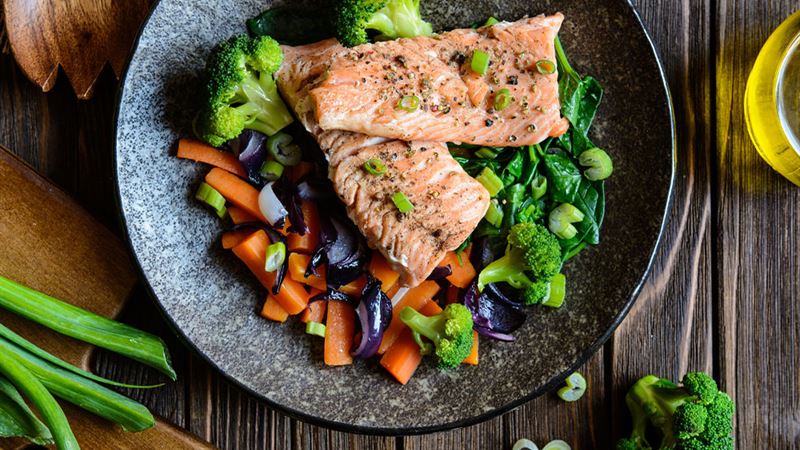
Maintaining an optimal diet is crucial for individuals diagnosed with gastrointestinal stromal tumors (GIST). A proper nutritional plan can support treatment, boost immunity, and help manage symptoms. While every patient’s needs may differ, incorporating specific foods and avoiding certain items can significantly influence disease progression and overall well-being. A carefully curated diet can help reduce inflammation, support digestion, and enhance quality of life during and after treatment. This comprehensive guide aims to provide detailed insights into foods beneficial and detrimental for GIST patients, backed by scientific research and medical advice.
Powerful Anti-Cancer Foods to Include in Your Diet
- Cruciferous Vegetables
Cruciferous vegetables are renowned for their cancer-fighting compounds. Incorporating these into your daily meals provides vital nutrients and phytochemicals that can help inhibit tumor growth. Vegetables such as broccoli, Brussels sprouts, kale, cabbage, cauliflower, and bok choy are excellent sources. These vegetables contain sulforaphane and indole-3-carbinol, which have demonstrated anti-carcinogenic properties. Aim to include a variety of cruciferous vegetables in every meal or at least daily to maximize their health benefits. Prepare them lightly steamed, roasted, or raw to preserve their nutrient content and enhance digestibility. - Fruits Rich in Vitamins and Antioxidants
Fruits are an integral part of a cancer-fighting diet, offering fiber, vitamins, minerals, and antioxidants. They help promote gut health, aid digestion, and provide essential nutrients that bolster immune function. Suitable options for GIST patients include apples, bananas, oranges, berries, and grapes. These fruits contain bioactive compounds that combat oxidative stress and reduce inflammation. For better digestion, consume fruits in their whole form rather than processed or dried versions. Incorporate a variety of colorful fruits to benefit from diverse antioxidant properties. - Probiotic-Rich Foods for Digestive Support
Probiotics are beneficial bacteria that support gut health, reduce inflammation, and enhance immune responses. Including probiotic-rich foods in your diet can help manage gastrointestinal symptoms associated with GIST. Yogurt, kefir, sauerkraut, kimchi, miso, and buttermilk are excellent sources of probiotics. Consuming these regularly can help restore healthy gut flora, improve digestion, and possibly reduce the risk of infections. Opt for plain, unsweetened varieties to avoid added sugars and preservatives that may be counterproductive. - Foods High in Omega-3 Fatty Acids
Omega-3 fatty acids possess anti-inflammatory properties and support overall health. Including omega-3 rich foods can help reduce inflammation related to tumor growth and improve immune function. Flax seeds, chia seeds, walnuts, and fatty fish such as salmon, mackerel, and sardines are excellent sources. Incorporate these into your diet regularly, such as adding ground flax seeds to cereals or smoothies, snacking on walnuts, or enjoying grilled fish with meals.
Foods and Substances to Limit or Avoid When Managing GIST
- Red and Processed Meats
Red meats like beef, pork, and lamb tend to contain higher saturated fat levels and potentially harmful chemicals such as nitrates and nitrites. These compounds can adversely affect bowel cells and may promote inflammation or tumor progression. Instead, opt for leaner protein sources like skinless poultry, eggs, beans, lentils, and cold-water fish like salmon or cod. These alternatives provide necessary nutrients without the added health risks associated with processed meats. - Refined and Baked Goods
Baked items such as pastries, cookies, bread, and muffins often contain excessive sugar, trans fats, and refined flour. These ingredients can contribute to inflammation and negatively impact immune function. Limit or eliminate consumption of processed baked goods, and prioritize whole grain options and homemade recipes using healthy fats and natural sweeteners. - Excess Salt Intake Salt, including table salt and salty snack foods like chips, crackers, and canned foods, should be minimized. High salt intake is linked to increased inflammation and may aggravate stomach conditions, including influencing tumor growth. Use herbs, spices, lemon juice, and vinegar to season foods instead of salt. Always read labels to avoid hidden salt content in processed foods.
- Highly Processed and Packaged Foods
Packaged foods, including canned soups, frozen dinners, chips, and snack foods, tend to be rich in sodium, sugars, preservatives, and unhealthy fats. These components can strain the digestive system, increase inflammation, and impair immune responses. For optimal health, prepare meals from scratch using fresh ingredients whenever possible. If convenience is necessary, choose minimally processed options with low sodium and artificial additives, and always check labels carefully.
Additional Dietary Tips for GIST Patients
- Maintain a balanced diet that emphasizes plant-based foods, lean proteins, and healthy fats.
- Stay hydrated by drinking plenty of water throughout the day, which supports digestion and toxin elimination.
- Limit alcohol consumption, as excessive alcohol can impair liver function and interfere with medication efficacy.
- Consult with healthcare professionals or a registered dietitian to tailor dietary choices to your specific treatment plan and nutritional needs.
Adopting a diet that includes anti-inflammatory, antioxidant-rich, and nutrient-dense foods while avoiding processed, salty, and carcinogenic foods can play a significant role in managing GIST. An individualized nutritional plan can greatly contribute to improved treatment outcomes, reduced side effects, and enhanced quality of life. Remember, always consult your healthcare provider before making significant dietary changes, especially when dealing with complex health conditions like GIST.