
Effective Strategies for Lowering Cholesterol Naturally
Discover effective ways to lower cholesterol naturally through diet and lifestyle changes. Learn about heart-healthy foods like oats, nuts, fatty fish, and vegetables, and understand the importance of avoiding trans fats. Implement practical tips to manage your cholesterol levels and improve cardiovascular health for a longer, healthier life.
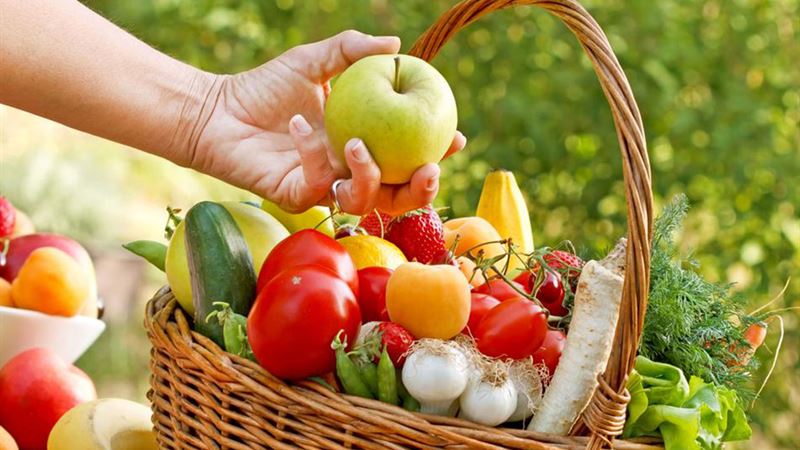
Elevated LDL cholesterol levels pose significant health risks, especially concerning cardiovascular diseases. To maintain a healthy heart, it is crucial to adopt dietary and lifestyle changes that help control cholesterol. Various foods and habits can contribute substantially to reducing bad cholesterol while promoting good cholesterol levels. This comprehensive guide explores the top dietary choices and lifestyle modifications aimed at lowering cholesterol effectively.
Understanding Cholesterol and Its Impact on Health
Cholesterol is a waxy, fat-like substance essential for building cell membranes and synthesizing certain hormones. However, an imbalance—particularly high levels of low-density lipoprotein (LDL) cholesterol—can lead to the buildup of fatty deposits in arteries, increasing the risk of heart attacks and strokes. Conversely, high-density lipoprotein (HDL) helps remove cholesterol from the bloodstream, offering protective benefits. Achieving a healthy balance between these types is vital for cardiovascular health.
Cholesterol is a waxy, fat-like substance essential for building cell membranes and synthesizing certain hormones. However, an imbalance—particularly high levels of low-density lipoprotein (LDL) cholesterol—can lead to the buildup of fatty deposits in arteries, increasing the risk of heart attacks and strokes. Conversely, high-density lipoprotein (HDL) helps remove cholesterol from the bloodstream, offering protective benefits. Achieving a healthy balance between these types is vital for cardiovascular health.
Factors Influencing Cholesterol Levels
Diet plays a significant role in cholesterol management. Consuming foods high in saturated and trans fats can elevate LDL cholesterol, while lifestyle factors such as physical activity, weight management, smoking cessation, and alcohol moderation also impact cholesterol levels. Understanding these factors is the first step toward implementing effective change.
Diet plays a significant role in cholesterol management. Consuming foods high in saturated and trans fats can elevate LDL cholesterol, while lifestyle factors such as physical activity, weight management, smoking cessation, and alcohol moderation also impact cholesterol levels. Understanding these factors is the first step toward implementing effective change.
The Dangers of Trans Fats and How to Avoid Them:
Trans fats are artificially produced fats that pose serious health hazards. They are created during hydrogenation, a process that turns liquid vegetable oils into solid fats like margarine and shortening. Trans fats are notorious for increasing LDL cholesterol while decreasing HDL cholesterol—thus dramatically raising cardiovascular disease risk. Many countries have banned or restricted trans fats, but consumers should still read labels carefully to avoid these harmful fats. Replacing trans fats with healthier alternatives like olive oil or avocado oil is a key step toward healthier living.
Trans fats are artificially produced fats that pose serious health hazards. They are created during hydrogenation, a process that turns liquid vegetable oils into solid fats like margarine and shortening. Trans fats are notorious for increasing LDL cholesterol while decreasing HDL cholesterol—thus dramatically raising cardiovascular disease risk. Many countries have banned or restricted trans fats, but consumers should still read labels carefully to avoid these harmful fats. Replacing trans fats with healthier alternatives like olive oil or avocado oil is a key step toward healthier living.
Adopting a Heart-Healthy Diet
The foundation of lowering cholesterol lies in dietary choices. Incorporating certain nutrient-rich foods can help manage cholesterol levels effectively. Here's a detailed look at beneficial dietary elements:
The foundation of lowering cholesterol lies in dietary choices. Incorporating certain nutrient-rich foods can help manage cholesterol levels effectively. Here's a detailed look at beneficial dietary elements:
- Opt for Healthy Vegetable Oils: Replacing traditional cooking fats such as butter, lard, and shortening with vegetable oils like sunflower, canola, safflower, and especially extra virgin olive oil can significantly aid in lowering LDL cholesterol. These oils are rich in monounsaturated and polyunsaturated fats, which are beneficial for heart health.
- Include Soluble Fiber-Rich Vegetables: Vegetables like eggplant and okra are low in calories yet high in soluble fiber, which helps bind cholesterol in the digestive system and facilitates its removal from the body before absorption.
- Consume a Handful of Nuts Daily: Nuts such as walnuts, almonds, and peanuts are rich in healthy fats, fiber, and plant sterols, which help reduce LDL cholesterol. Eating approximately two ounces per day has been associated with decreased cardiovascular risk.
- Incorporate Beans into Your Meals: Beans, including lentils, kidney beans, navy beans, and chickpeas, are excellent sources of soluble fiber. They promote satiety, assist in weight management, and effectively lower LDL cholesterol. Their versatility makes them a staple in numerous cuisines.
- Start Your Day with Oats: Oatmeal or oat-based cereals provide about 1-2 grams of soluble fiber per serving. Enhancing your breakfast with fruits like bananas or strawberries adds further fiber, contributing to improved cholesterol levels.
- Eat Fruits Rich in Pectin: Apples, citrus fruits, grapes, and strawberries contain pectin, a soluble fiber that helps reduce cholesterol absorption. Regular consumption can support heart health over time.
- Choose Whole Grains like Barley and Brown Rice: Whole grains are rich in soluble fiber and help lower overall cholesterol, reducing the risk of cardiovascular disease.
- Utilize Fortified Foods and Supplements: Food products fortified with plant sterols and stanols can inhibit cholesterol absorption. Consuming about 2 grams of these compounds daily can decrease LDL levels by approximately 10%. Similarly, soy-based products like soy milk, tofu, and edamame are effective; consuming 25 grams of soy protein daily can reduce LDL cholesterol by up to 6%.
- Include Fatty Fish Rich in Omega-3: Fish such as salmon, mackerel, sardines, and trout are high in omega-3 fatty acids, which decrease triglycerides and provide protective benefits for the heart. Replacing red meats with fatty fish can significantly improve lipid profiles.
- Consider Fiber Supplements if Necessary: For those who struggle to get enough soluble fiber through diet alone, supplements like psyllium husk (found in Metamucil) offer an easy alternative. Just two teaspoons provide about 4 grams of soluble fiber, aiding in cholesterol reduction.
Additional Tips for Managing Cholesterol
Alongside diet, adopting a physically active lifestyle is crucial. Regular exercise can increase HDL levels, lower LDL, and promote overall cardiovascular health. Managing weight through balanced diet and activity also plays a vital role. Quitting smoking and limiting alcohol intake further enhance cholesterol control.
Alongside diet, adopting a physically active lifestyle is crucial. Regular exercise can increase HDL levels, lower LDL, and promote overall cardiovascular health. Managing weight through balanced diet and activity also plays a vital role. Quitting smoking and limiting alcohol intake further enhance cholesterol control.
In conclusion, lowering cholesterol effectively involves a combination of dietary choices and lifestyle adjustments. Incorporating foods rich in soluble fiber, healthy fats, and plant sterols, while avoiding trans fats and maintaining an active lifestyle, can lead to substantial health benefits. Making these changes not only reduces the risk of heart disease but also supports overall well-being. Start today by integrating these healthy habits into your daily routine for a healthier future.