
Comprehensive Guide to Recognizing and Managing Lung Cancer Symptoms and Treatments
This comprehensive article explores the early symptoms of lung cancer, including breathing difficulties and weight loss, and discusses effective treatment options like surgery, radiation, and emerging therapies. Early detection and lifestyle changes such as quitting smoking are emphasized for better prognosis and prevention.
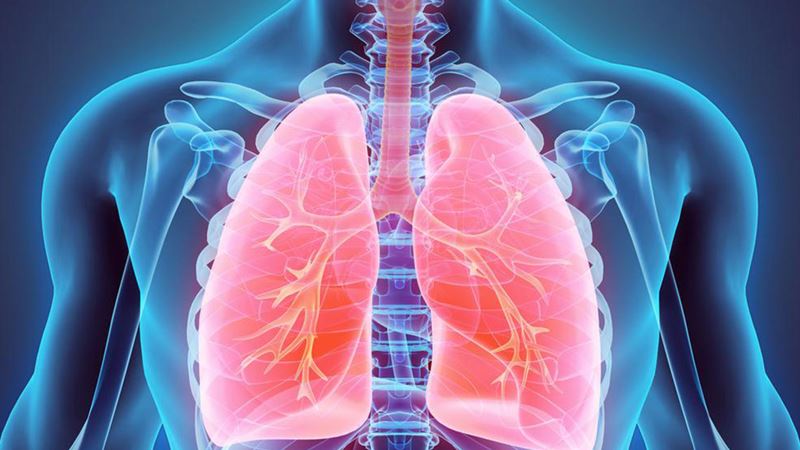
Understanding the early signs of lung cancer and knowing the available treatment options can significantly improve patient outcomes. If you experience unusual symptoms, timely medical consultation is crucial. Regular health checkups, especially among high-risk groups like smokers, can lead to early detection and more effective interventions. Recognizing symptoms such as changes in breathing, unexplained weight loss, or persistent coughing allows for prompt diagnosis and treatment. This guide discusses key symptoms, preventive measures, and the primary treatment methods used in managing lung cancer, aiming to educate and empower individuals to take proactive steps for their health.
Early detection of lung cancer plays a vital role in increasing the chances of successful treatment. Risk factors include smoking, exposure to carcinogens like asbestos or radon, and a family history of lung cancer. Understanding these risk factors alongside symptoms can lead to timely intervention, potentially saving lives.
- Alterations in Breathing Patterns: Smokers and those exposed to lung irritants often experience changes in their breathing habits. Increased shortness of breath, wheezing, or persistent coughing can signal the presence of lung abnormalities. Such symptoms should not be ignored; consulting a healthcare professional is recommended for proper evaluation and testing.
- Unintentional Weight Loss: Significant, unexplained weight reduction is a red flag for various cancers, including lung cancer. If weight loss occurs without changes in diet or activity, it warrants urgent medical assessment.
- Persistent Cough and Chest Discomfort: Chronic coughing, blood in sputum, or chest pain are common symptoms that should prompt immediate medical attention for further investigations.
Diagnosis involves imaging tools like chest X-rays, CT scans, and biopsies to confirm lung cancer. Once diagnosed, treatment strategies depend on the cancer stage, location, and patient health status.
Treatment Options for Lung Cancer:
- Surgical Removal: Suitable primarily for early-stage lung cancer, where the tumor is localized and hasn’t spread. The surgeon can excise the tumor along with a margin of healthy tissue to ensure complete removal.
- Radiation Therapy: Utilized to destroy cancer cells using high-energy radiation, especially effective for patients who are not candidates for surgery or in advanced stages to reduce tumor size and alleviate symptoms.
- Chemotherapy and Targeted Therapy: These systemic treatments target cancer cells throughout the body, often used alongside surgery or radiation in advanced cases.
- Immunotherapy: An emerging treatment boosting the body's immune response to attack lung cancer cells effectively.
Preventive measures are crucial in reducing lung cancer risk. Quitting smoking remains the most effective way to prevent the disease. Regular screenings and avoiding exposure to carcinogens like asbestos and radon can also help.
It is essential to seek medical advice promptly when symptoms arise and pursue a comprehensive treatment plan tailored to the individual. Advances in medical technology continue to improve the prognosis for lung cancer patients, emphasizing the importance of early diagnosis and intervention.