
Effective Insoles to Alleviate Plantar Fasciitis Pain and Enhance Foot Comfort
Discover how tailored insoles can effectively combat plantar fasciitis pain. Learn about their benefits, selection tips, and complementary treatments to enhance foot health and comfort. A practical, non-invasive approach to alleviating heel and foot arch discomfort that improves mobility and quality of life.
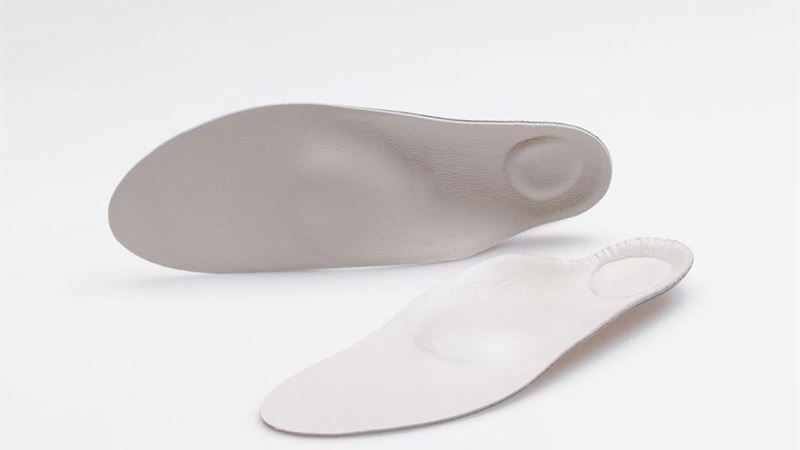
Persistent foot pain can significantly impact your daily life, especially when it results from a condition known as plantar fasciitis. This ailment involves inflammation of the plantar fascia—a thick band of tissue running along the bottom of your foot. Overuse, improper footwear, weight issues, and certain activities can overstress this tissue, leading to discomfort and pain that worsens with prolonged sitting or standing. Fortunately, tailored insoles can be a game-changer in managing this condition effectively. Here, we explore how orthotic insoles can provide relief, improve foot biomechanics, and restore comfort.
Plantar fasciitis is a common condition that afflicts individuals who put repetitive strain on their feet, including athletes, runners, and even everyday walkers. The plantar fascia supports the arch of the foot and absorbs shock during movement. When subjected to excess pressure or sudden increases in activity, tiny tears may develop in this ligament, causing inflammation, soreness, and sharp pain, particularly near the heel area. This pain often radiates towards the arch, making movement painful and decreasing overall mobility.
Understanding the risk factors associated with plantar fasciitis is essential for prevention and management. Walking barefoot on hard surfaces, having weak foot muscles, obesity, and conditions like arthritis can escalate the risk. Sudden spikes in activity levels, improper footwear lacking adequate arch support, and overpronation—where the foot rolls inward excessively—is also contributory factors. Recognizing these can aid in early intervention and tailored treatment plans to prevent the condition from worsening.
If you’ve been diagnosed or suspect you are at risk of developing plantar fasciitis, there are several strategies to combat discomfort and promote healing. Among these, the use of specially designed insoles for plantar fasciitis stands out as one of the most effective and accessible solutions. These insoles are crafted to provide targeted support, alleviate pressure, and promote healthy foot alignment. They can be easily incorporated into your regular footwear, offering a non-invasive, cost-effective way to manage symptoms and improve overall foot health.
Advantages of Using Insoles for Plantar Fasciitis
Shoes typically come with basic insoles meant for cushioning, but these are often insufficient for addressing the specific needs of someone with plantar fasciitis. Custom or supporting insoles are designed to provide enhanced benefits, which include:
- Even Pressure Distribution
Well-crafted insoles redistribute weight evenly across the entire foot, reducing excessive strain on the heel and arch. This alleviates pressure points, minimizes discomfort, and prevents further injury. - Shock Absorption
Engaging in activities like walking, jogging, or running places considerable impact on your feet. Proper insoles absorb these shocks efficiently, reducing stress on the plantar fascia and decreasing the risk of pain flare-ups. - Controlling Pronation
Pronation describes the natural inward roll of the foot during movement. Over-pronation often exacerbates plantar fasciitis by putting additional strain on the plantar fascia. Insoles designed for support help correct this imbalance, realigning the foot posture and relieving inflammation. - Antibacterial Features
Feet are susceptible to bacterial growth due to moisture and warmth. While insoles cannot eliminate bacteria entirely, those with antimicrobial properties can help manage bacterial proliferation, reducing odor and infection risk. - Enhanced Comfort
Aside from structural benefits, insoles add a layer of cushioning that makes footwear more comfortable. This extra support minimizes pain during activity and provides a soft resting surface for tired feet.
Choosing the Right Insole for Your Needs
Selecting an appropriate insole depends on various factors. Here’s what to consider before making a purchase:
- Size and Fit
Most insoles come in standard sizes and can often be trimmed for a perfect fit. Ensuring your insoles match your shoe size is crucial for comfort and effectiveness. - Arch Type
Identifying your foot’s arch type—low, medium, or high—is essential. Insoles with the correct arch support improve alignment and offer optimal relief. For instance, if you have flat feet, look for insoles with firm arch support, whereas high-arched feet benefit from cushioned models. - Material Composition
Materials significantly influence comfort and durability. Foam insoles provide excellent support and pressure relief, while gel-based insoles excel at shock absorption. Leather insoles add durability and a premium feel, whereas cork insoles offer natural support and stability.
Additional Strategies to Manage Plantar Fasciitis
Beyond insoles, several other methods can help alleviate symptoms and promote healing. Physical therapy focusing on strengthening the foot and leg muscles can improve stability and reduce strain. Specific exercises, such as stretching the calves and Achilles tendon, help release tension and improve flexibility.
In more severe cases, your healthcare provider might recommend corticosteroid injections to reduce inflammation or advanced procedures like Tenex treatment, which removes scar tissue through minimally invasive techniques. Lifestyle adjustments—such as avoiding walking barefoot on hard surfaces, limiting standing for long periods, and wearing supportive footwear—are vital components of a comprehensive treatment plan.
Implementing proper footwear with built-in arch support or custom insoles is a practical step. Additionally, regularly stretching the foot muscles and maintaining a healthy weight decrease the load on the plantar fascia, fostering quicker recovery.
Insoles for plantar fasciitis are an affordable and highly effective intervention that can significantly diminish discomfort and improve quality of life. They are widely available in various styles, sizes, and support configurations. If unsure about which insole suits your condition, consulting a podiatrist or foot specialist is recommended. They can evaluate your foot structure and recommend customized solutions to ensure optimal support and relief.