
Comprehensive Guide to Finding the Best Plantar Fasciitis Insoles for Foot Pain Relief
Discover an in-depth guide to selecting the best plantar fasciitis insoles. Learn about causes, symptoms, and effective treatment options, including supportive insoles designed for relief. This comprehensive resource helps you identify the features to look for and where to purchase high-quality orthotics, ensuring long-term comfort and pain reduction for those suffering from heel pain caused by plantar fasciitis.
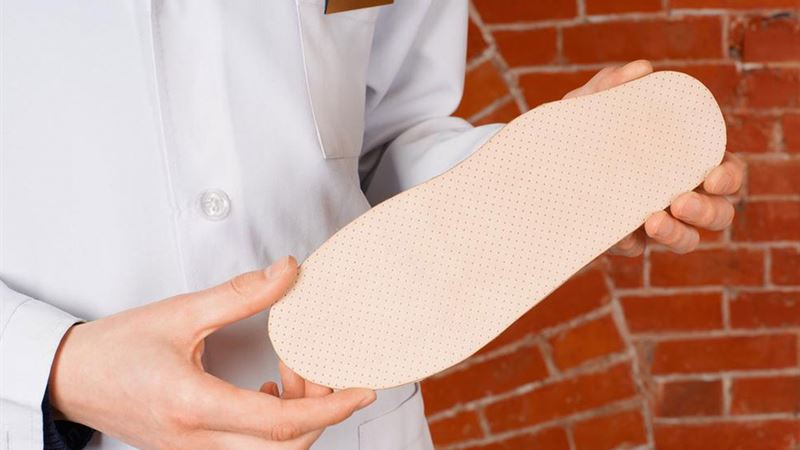
Living with chronic heel pain caused by plantar fasciitis can significantly hinder daily activities, but choosing the right insoles can bring relief and restore comfort. Understanding how to find the most effective plantar fasciitis insoles is essential for those seeking long-term alleviation of their symptoms. This detailed guide aims to provide insights into the causes, symptoms, diagnosis, and most importantly, how to select the best insoles designed specifically for plantar fasciitis treatment.
Understanding Plantar Fasciitis and Its Causes
Plantar fasciitis is a common condition characterized by inflammation of the plantar fascia, a thick band of tissue running along the bottom of your foot from the heel to the toes. The primary cause of this condition is repetitive strain or overuse of the plantar fascia, leading to micro-tears and inflammation. Several lifestyle and biomechanical factors contribute to its development:
- Foot biomechanics: An inward rolling of the foot (overpronation), flat arches, or high arches can put abnormal stress on the plantar fascia.
- Improper footwear: Wearing shoes that lack support, have inadequate cushioning, or do not fit properly can increase strain on your foot structures.
- Prolonged weight-bearing activities: Standing or walking for long hours on hard surfaces can intensify stress on your heels and feet.
- Excess body weight: Additional weight exerts more pressure on the plantar fascia, aggravating its condition.
- Tight calf muscles: Limited ankle flexibility can increase tension on the plantar fascia during walking or standing.
Recognizing the Symptoms of Plantar Fasciitis
Early detection of plantar fasciitis can help prevent further complications. Common signs and symptoms include:
- A sharp, stabbing pain in the heel, particularly noticeable during the first steps in the morning or after periods of rest.
- Persistent discomfort that worsens after prolonged activity or standing.
- Discomfort when climbing stairs or walking on hard surfaces.
- Swelling or tenderness in the heel area.
- A feeling of tightness or soreness in the arch of the foot.
Diagnosing and Treating Plantar Fasciitis Effectively
If you experience ongoing heel pain, consulting a healthcare provider is crucial. Diagnosis typically involves a physical examination, where the doctor assesses your gait, arch shape, and points of tenderness. Imaging tests like X-rays or ultrasound may be used to rule out other conditions.
Treatment strategies are multifaceted and tailored to individual needs. Common approaches include:
- Rest and activity modification: Limit movements that exacerbate pain, avoid walking barefoot or on hard surfaces.
- Ice therapy and medication: Applying ice packs reduces inflammation and pain; over-the-counter NSAIDs like ibuprofen can assist with discomfort.
- Stretching exercises: Regular calf stretches, toe stretches, and towel stretches, especially in the morning, help alleviate tension.
- Supportive footwear and insoles: Wearing shoes with proper arch support and cushioned insoles can make a significant difference.
- Physical therapy: Professionals may recommend specific exercises, massage, or ultrasound therapy.
The Role of Plantar Fasciitis Insoles in Relief and Recovery
One of the most effective non-invasive treatments for plantar fasciitis is the use of specialized insoles. These orthotic devices are designed to provide additional support, absorb shock, and distribute pressure evenly across the foot, thereby reducing strain on the plantar fascia.
Instead of purchasing new shoes frequently, investing in high-quality insoles is a cost-effective strategy to improve foot comfort and address the root causes of heel pain. These insoles help in realigning the foot into a neutral position, preventing overpronation and excessive arch strain. They also act as shock absorbers, reducing impact stress during walking or standing.
Types of Plantar Fasciitis Insoles Available in the Market
The market offers a wide range of orthotic insoles, each designed to cater to specific needs. The two major categories include over-the-counter (OTC) insoles and custom-made insoles.
Off-the-Shelf Plantar Fasciitis Insoles
These ready-made insoles are affordable, accessible, and suitable for most individuals. Key features of quality OTC insoles include:
- Proper arch support to counteract flat feet or high arches
- Shock-absorbing heel cups to cushion impact
- Adjustable height to accommodate different arch levels
- Compatibility with various shoe types, including casual and athletic footwear
- Durability and soft padding for long-term comfort
Custom-Made Plantar Fasciitis Insoles
For severe or complicated cases, custom insoles are prescribed by podiatrists. These insoles are meticulously crafted based on a detailed impression of your foot, often taken by casting or 3D scanning. Benefits include:
- Precise fit to the unique contours of your foot
- Enhanced support for arches and heels
- Better control of abnormal foot mechanics
- Superior pressure distribution, leading to faster pain relief
Although they come at a higher price point, these insoles often provide more effective and longer-lasting relief suitable for individuals with complex or persistent symptoms.
Key Features to Consider When Choosing Plantar Fasciitis Insoles
Before purchasing, be sure to evaluate insoles based on the following essential features:
- Support quality: The insole should stabilize the arch and heel, reducing strain.
- Adjustability: Must accommodate varying arch heights for personalized comfort.
- Pain alleviation: Provide clear relief from heel and arch discomfort.
- Versatility: Compatible with different types of footwear, including sports shoes and casual boots.
- Durability: Made from high-quality, long-lasting materials.
- Comfort: Soft padding and ergonomic design for extended wear.
- Price: Offer excellent value without compromising quality.
Where to Purchase High-Quality Plantar Fasciitis Insoles
Insoles can be bought through various channels. While local stores provide in-person trials, online retailers often offer a broader selection and better prices. When shopping online, ensure to choose reputable brands with positive customer reviews. Carefully review product descriptions to find insoles made from supportive, durable materials and designed specifically for plantar fasciitis relief.
In summary, finding the optimal plantar fasciitis insoles involves understanding your foot's unique structure, evaluating support features, and selecting insoles that provide comfort and durability. With the right choice, you can significantly reduce heel pain and improve your overall foot health, enabling you to enjoy daily activities without discomfort.