
Comprehensive Guide to Selecting the Perfect Gas-Powered Leaf Blower for Your Yard
This comprehensive guide simplifies choosing the ideal gas-powered leaf blower, covering engine types, styles, and key features. Whether you need a lightweight handheld model for small yards or a powerful walk-behind machine for large properties, learn how to select equipment that maximizes efficiency and durability while fitting your landscaping needs. Expert tips provide insights on performance, maintenance, and user comfort, making yard cleanup easier and faster than ever before.
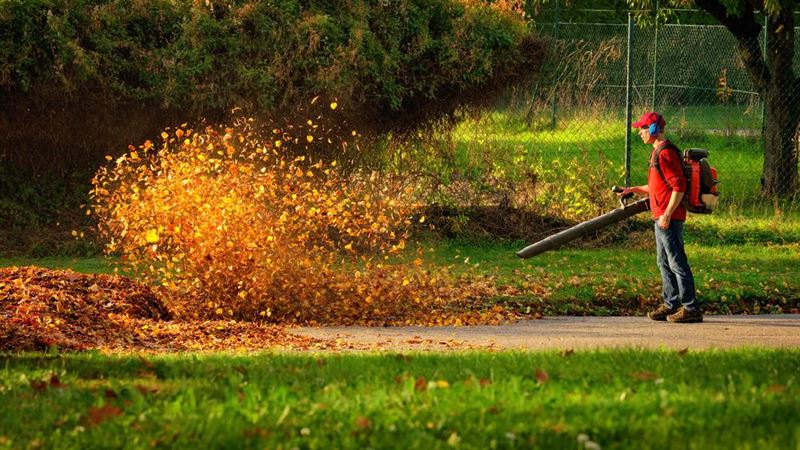
Choosing the right leaf blower for your outdoor space can significantly streamline yard maintenance, making cleanup tasks more efficient and less exhausting. Among the various types available, gas-powered leaf blowers stand out for their power and versatility, especially suited for large gardens, commercial landscapes, or stubborn debris removal. This extensive guide will walk you through the different engine types, styles, features, and considerations to help you select the ideal gas leaf blower tailored to your specific needs.
Understanding the mechanics of leaf blower engines is crucial. Most gas-powered models utilize either two-stroke or four-stroke internal combustion engines. Each engine type offers distinct advantages and disadvantages, affecting performance, maintenance, and cost. Two-stroke engines are popular in handheld units due to their high power-to-weight ratio, simple design, and affordability. They require a mixture of gasoline and oil, which must be maintained properly to ensure longevity. Their lightweight nature makes extended usage less tiring, while their simplicity allows for straightforward maintenance and repairs.
In contrast, four-stroke engines, which are more common in larger, commercial-grade equipment, boast cleaner operation and more efficient fuel use. These engines run on pure gasoline, eliminating the need for mixing oil, and provide smoother operation with less vibration. Although they tend to be bulkier and more expensive, their durability and lower emissions make them suitable for professional landscapers and demanding tasks.
Now, let’s explore the different styles of gas leaf blowers, each designed to cater to specific needs and preferences. The three primary types are handheld, backpack, and walk-behind models. Choosing the right style depends on the size of your property, the volume of debris, and your physical ability to operate the equipment comfortably.
- Handheld Gas Leaf Blowers
If you’re seeking a powerful yet manageable leaf blower, handheld models are an excellent choice. These units offer robust airspeeds, often reaching up to 200 mph, capable of clearing leaves, grass clippings, and light debris effectively. Powered by highly efficient gasoline engines, they are designed for ease of use and mobility. Handheld blowers feature ergonomic handles and recoil starters to facilitate operation. They are ideal for small to medium-sized yards, decks, driveways, and hard-to-reach corners.
- Features to Consider in Handheld Models:
Many handheld gas blowers combine functions such as blowing and vacuuming, adding to their versatility. Dual-function units can turn a simple blow into leaf vacuuming and mulching, allowing you to reduce yard waste into manageable bags. The vacuum feature helps mulch leaves into fine particles, reducing disposal volume and effort.
Another popular type in this category is the backpack leaf blower. Designed for those with larger properties or ongoing landscaping needs, these models distribute weight across your shoulders and back, reducing fatigue during extended use. Weighing typically between 15-20 pounds, they allow you to carry powerful engines comfortably, with adjustable straps for a secure fit. Backpack blowers deliver higher airflow and velocity, significantly increasing efficiency when clearing large areas.
- Backpack Gas Leaf Blowers
For users demanding high capacity and prolonged operation, backpack models are often the best fit. They are especially useful in commercial landscaping, golf courses, or extensive yard maintenance. Features to look for include adjustable airflow controls, ergonomic harnesses, and balanced weight distribution to minimize strain. These units excel at clearing leaves, grass trimmings, and other debris from large surfaces, driveway entrances, or along fence lines.
- Walk-Behind Gas Leaf Blowers
When tackling substantial debris across sizeable properties, walk-behind models provide superior power and capacity. These heavy-duty units can gather and move large amounts of fallen leaves, lawn debris, or even light snow. They are often equipped with variable speed controls allowing for precise operation, and some come with bags or collection systems for easy waste disposal. Their robust engines and sturdy frames make them ideal for professional landscapers or homeowners with extensive grounds.
Directional blower features are essential for precise debris management. Some walk-behind models include adjustable nozzles or controls to direct airflow, making it easier to blow debris along walls, fences, or specific pathways. Hand-controlled adjustments enable efficient operation without stopping or repositioning the machine constantly.
Choosing the right gas leaf blower involves considering engine type, power output, weight, and additional features tailored to your maintenance routine. Whether you need a lightweight handheld device for quick cleanups or a powerful walk-behind unit for large-scale leaf collection, the market offers numerous options to suit your budget and specific needs.
Investing in the appropriate equipment not only saves time but also enhances safety and reduces physical fatigue. Always prioritize features that improve control, comfort, and durability while opting for reputable brands known for longevity and performance. Proper maintenance, such as regular engine checks and air filter replacements, will extend the life of your blower, ensuring it remains a reliable tool season after season.