
Comprehensive Guide to Selecting the Ideal Gas-Powered Leaf Blower for Your Yard
Learn how to select the perfect gas leaf blower for your yard with our in-depth guide. Explore types, performance features, safety tips, and maintenance advice to make an informed purchase. Ideal for homeowners and professionals alike, this comprehensive overview helps you choose a reliable, efficient, and easy-to-use blower suited for any outdoor cleanup task, ensuring your yard stays neat and well-maintained. Discover practical tips to improve safety, reduce noise, and maximize your blower’s lifespan for effective yard management all year long.
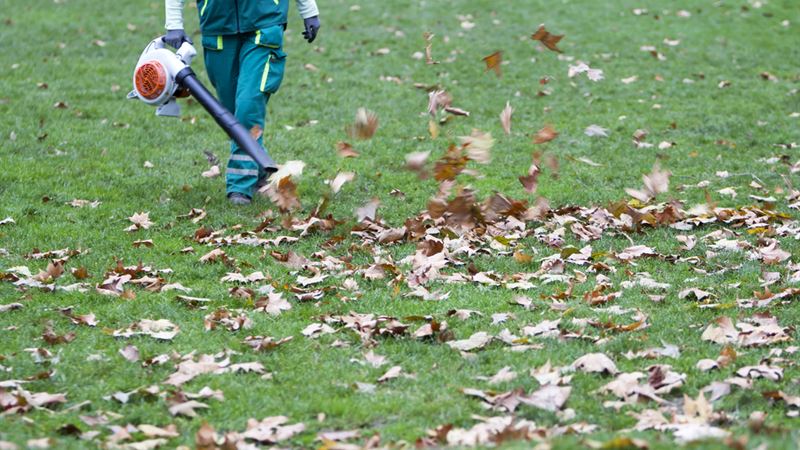
When it comes to efficient outdoor cleanup tools, gas-powered leaf blowers stand out as a top choice for homeowners and landscapers alike. These versatile machines are tailored for tackling large-scale yard debris, making yard maintenance less labor-intensive and more efficient. But how do you determine which gas leaf blower best suits your specific needs? Understanding the different types, features, efficiencies, and safety considerations is key before making a purchase. This comprehensive guide aims to walk you through every aspect of selecting the perfect gas leaf blower for your lawn, garden, or commercial landscaping projects.
Gas leaf blowers come in various configurations, including handheld, backpack, and wheeled models, allowing users to choose based on yard size, comfort, and operational convenience. They typically operate on gasoline or a combination of fuel and electricity, influencing performance and noise levels. Whether you're managing a modest backyard or a sprawling estate, selecting the right blower can significantly enhance your gardening efficiency, reduce fatigue, and deliver professional results.
Understanding the core differences among blower types, engine types, and additional features is crucial. For example, backpack blowers distribute weight evenly and reduce arm fatigue, making them ideal for extensive properties. Wheeled blowers are well-suited for commercial use or large areas, offering ease of movement while clearing debris. Handheld models are perfect for small lawns with tight corners or for quick touch-ups.
Performance aspects such as airflow capacity (measured in cubic feet per minute, CFM) and blower velocity (measured in miles per hour, MPH) dictate how effectively leaves and debris are moved. Higher CFM and MPH mean more power, but they often come at a higher price and noise level. Balancing power with comfort and noise considerations is essential, especially for residential use where neighbor courtesy matters.
Another important factor is fuel type and engine cycle. Two-cycle engines are lightweight and deliver high power-to-weight ratios but require mixing oil with fuel and tend to be noisier. Four-cycle engines are more fuel-efficient and quieter but are generally heavier and cost more. Selecting between these depends on your budget, noise tolerance, and maintenance preferences.
Weight, ergonomics, and ease of operation are also critical. Look for models with adjustable handles, balanced weight distribution, and anti-vibration features. The design should minimize operator fatigue, especially if you plan to use the blower frequently or for prolonged periods. In addition, consider whether the blower has additional functions like vacuum and mulching capabilities, which can enhance its versatility.
Safety features cannot be overlooked. Gas blowers produce significant noise and exhaust emissions, so wearing ear protection and eye gear is essential. Most models come equipped with safety switches for quick shutdowns; ensure these are present and functional. Fuel management is another safety concern—check for leak-proof tanks and easy-to-inspect fuel lines. Proper handling and storage prevent accidents and environmental hazards.
Proper operation techniques significantly improve safety and efficiency. Always blow leaves in a single direction, directing debris toward a designated collection area. Using tarps or leaf bags facilitates clean, quiet collection without scattering fallen leaves back onto the lawn or driveway. Additionally, maintenance routines such as cleaning, inspecting fuel systems, and replacing filters keep your blower running smoothly.
Soundproofing accessories or mufflers can reduce noise pollution if you live in a noise-sensitive neighborhood. Regularly check and refill fuel, and store the machine in a dry, secure location. Investing in high-quality models with durable components ensures longevity and consistent performance.
In conclusion, choosing the right gas leaf blower involves assessing your yard size, preferred operation style, safety features, and budget. Conducting thorough research, reading customer reviews, and comparing specifications across brands will help you identify the best option. With the right gas-powered leaf blower, yard cleanup becomes faster, safer, and less strenuous, allowing you to enjoy a pristine outdoor space year-round.