
Choosing the Perfect Fitness Tracker: Essential Tips for Making an Informed Purchase
Discover how to choose the ideal fitness tracker tailored to your personal health and fitness goals. This comprehensive guide covers design, display, heart rate features, data capabilities, and battery life, helping you make an informed decision for long-term motivation and health tracking. Whether you're a beginner or a seasoned athlete, learn what key features to prioritize to maximize your investment and stay on top of your fitness journey. Find the perfect balance of style, function, and durability for your active lifestyle.
Design and Aesthetic Appeal
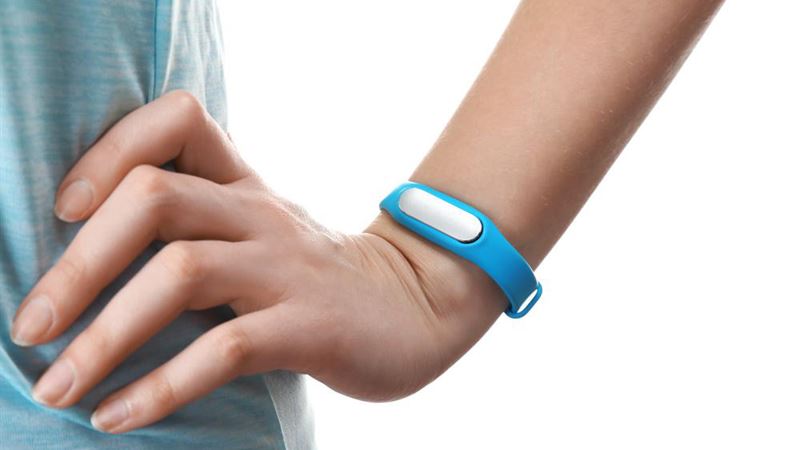
When choosing a fitness tracker, aesthetic appeal and design should not be underestimated. Many brands offer a wide array of colors, styles, and finishes, allowing you to select a device that complements your personal style. Some models resemble traditional wristwatches, while others are slimmer or more sporty in appearance. Waterproof features are increasingly common, enabling users to wear trackers during swimming or in rainy conditions. The appearance of your fitness tracker can influence how often you wear it, so opt for a design that you find appealing and comfortable for daily use. Consider additional features like interchangeable bands or customizable watch faces to personalize your device further.
Display Features and User Interface
An essential consideration is whether the fitness tracker offers a built-in display that can show real-time data. A good display allows you to monitor your step count, calories burned, heart rate, and other metrics directly on your wrist without needing to open an app on your phone. This convenience is especially valuable during workouts, runs, or cycling sessions. Models with color screens, touch interaction, and adjustable brightness levels provide a better user experience. If you prefer minimal interaction, some trackers offer glanceable notifications, alerts, and shortcut access to key functions. Remember, a more sophisticated display may slightly increase the device's cost but can significantly enhance usability and motivation.
Heart Rate Monitoring Capabilities
Heart rate tracking is a critical feature for many fitness enthusiasts. Different devices interpret and display heart rate data in various ways. Some fitness trackers continuously monitor your heart rate throughout the day, providing insights into resting heart rate and workout intensity. Advanced models offer real-time heart rate monitoring during exercise, helping you optimize your routines. Many trackers also analyze breathing patterns and heart rate variability to assess stress and recovery levels. If tracking cardiovascular health or managing stress is a priority, choose a device with accurate, continuous heart rate tracking and comprehensive health metrics. Ensure the device is certified for medical-grade measurements if precision is vital for your health management.
Data Collection and Reporting Features
The depth and breadth of data collected by your fitness tracker significantly impact its usefulness. Basic models typically monitor steps taken, sleep quality, and calories burned. More advanced devices include detailed workout logs, GPS tracking, and activity-specific modes like swimming, running, cycling, and gym workouts. Some trackers provide personalized coaching tips, on-screen workout suggestions, or automatic activity detection, saving you time and effort. The ability to sync with companion apps allows for comprehensive analysis, progress tracking over weeks or months, and setting long-term goals. Consider your fitness objectives when selecting a tracker—if you're training for an event or aiming for detailed health insights, opt for a device with robust data analytics capabilities.
Battery Life and Charging Convenience
Battery life is often overlooked but is fundamental for uninterrupted tracking. Devices that require daily charging can become inconvenient, especially if you're committed to continuous fitness monitoring. Some trackers have rechargeable batteries that last for five to seven days on a single charge, while others use coin-cell batteries that last several months without replacement. Long-lasting battery life ensures you won't have to worry about keeping your device charged before workouts or during travel. When choosing a fitness tracker, consider your lifestyle and how often you're willing to recharge your device. Devices with longer battery life may have a slightly larger size or fewer features, so find a balance that fits your needs. Quick-charging options are also available on some models, providing convenience when you're in a hurry.
Investing in the right fitness tracker requires understanding various factors like design, display, health monitoring capabilities, data analysis, and battery performance. By carefully considering these elements, you can find a device that seamlessly integrates into your lifestyle, keeps you motivated, and helps you achieve your fitness and health goals effectively. Remember, the best fitness tracker is the one that aligns with your needs, preferences, and budget, offering a reliable and enjoyable experience throughout your fitness journey.