
Comprehensive Guide to Cultivating and Maintaining Healthy Lavender Plants
Learn expert tips for cultivating thriving lavender plants, from soil preparation and sunlight needs to watering, pruning, and propagation. This comprehensive guide helps gardeners create a fragrant, healthy lavender garden that blooms stunningly each season. Perfect for beginners and experienced growers alike, it covers essential care practices to maximize plant health and beauty across varied climates.
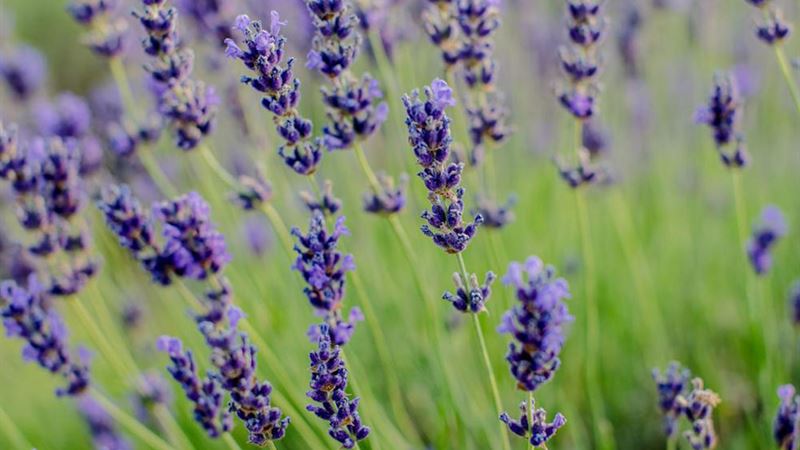
Understanding Lavender’s Growing Requirements
Before planting lavender, it is crucial to understand the fundamental requirements it needs for optimal growth. These include soil composition, drainage, pH level, sunlight, watering habits, and temperature tolerance. Adapting your gardening practices to meet these needs ensures your lavender plants will thrive and provide you with beautiful, fragrant blooms.
Ideal Soil Conditions for Lavender
Lavender is a Mediterranean-native herb that prefers well-draining soils with low fertility. The primary factor to consider when preparing the planting site is soil drainage. Poorly drained soil can lead to root rot and ultimately kill your plants. To achieve the right drainage, incorporate sand, gravel, or organic compost into your native soil if necessary. The soil should be slightly alkaline, with a pH range between 6.5 and 7.3. A simple soil test can help you determine the pH level and guide amendments.
pH and Soil Testing
Maintaining the correct pH is vital for nutrient absorption. An acidic soil can hinder growth, whereas a neutral to alkaline environment promotes healthy root development. Many garden centers offer affordable soil testing kits, which can provide quick results. Based on the test, you can add lime to increase alkalinity or organic matter to improve fertility.
Climate and Weather Considerations
Lavender thrives in regions with hot, dry summers and mild winters. It is well-adapted to Mediterranean climates where winter temperatures rarely drop below freezing. If you live in a cooler climate, selecting cold-hardy varieties and providing winter protection can help prevent frost damage. Additionally, good air circulation around plants minimizes fungal diseases and promotes healthy growth.
Sunlight and Placement
Sunlight is perhaps the most vital factor for lavender health. Lavender plants require at least 5 to 6 hours of direct sunlight each day for optimal flowering and aroma production. While they can tolerate some partial shade, full sun exposure encourages compact, bushy growth and abundant blooms. Place your lavender in a sunny, open location with minimal shade from trees or structures.
Watering Practices and Moisture Management
One of the most common mistakes in lavender cultivation is overwatering. These plants are drought-tolerant and prefer infrequent, deep watering. Excess moisture can cause root rot, leading to plant decline. During the first year of growth, keep the soil slightly moist, but as the plant matures, reduce watering frequency. Allow the soil to dry out completely between watering sessions. Drip irrigation systems and raised beds are excellent options to improve drainage and prevent waterlogging.
Fertilization and Care
Lavender generally does not require heavy fertilization. In fact, excessive nutrients, especially nitrogen, can promote lush foliage at the expense of flowers and fragrance. If your soil is poor, apply a light layer of organic compost or a balanced fertilizer once or twice a year in early spring. Use slow-release fertilizers to avoid overfeeding.
Pruning for Health and Productivity
Proper pruning is essential for maintaining compact growth, preventing woody stems, and encouraging abundant flowering. The best time to prune lavender is late fall or early spring, depending on your climate. In late fall, cut back about one-third of the plant, leaving a few inches above the woody base. This stimulates new growth and enhances flower production in the following season. Regular deadheading during blooming season also prolongs flowering and keeps the plant tidy.
Propagation Techniques
Lavender can be propagated through seeds, cuttings, or division. Seeds are less reliable and slow to establish, so many gardeners prefer softwood cuttings taken during late spring or early summer. To propagate via cuttings, cut healthy, non-flowering stems about 3-4 inches long, remove lower leaves, and root them in well-draining soil or water. Transplant rooted cuttings into the garden once they develop a strong root system. Division is best done in spring by lifting mature plants and separating clumps, then replating in new locations.
Additional Tips for Success
- Choose the right lavender variety suited for your climate and garden conditions.
- Ensure good air circulation around plants to prevent fungal diseases such as powdery mildew.
- Mulch around plants with gravel or small stones to preserve soil dryness and reduce weed growth.
- Monitor pests like aphids or spider mites and treat them promptly with organic insecticides if necessary.
- Consider container planting for portability and ease of care, especially in colder regions.
Common Challenges and How to Overcome Them
Despite their hardy nature, lavender plants can face issues such as root rot, fungal diseases, or poor flowering. Prevention is key: ensure proper drainage, avoid overwatering, and prune regularly. If fungal issues occur, apply organic fungicides and improve air circulation. Poor flowering can result from inadequate sunlight or overfeeding, so reassess your planting site and fertilization routine.
Conclusion: Cultivating Lavender Successfully
Growing lavender can be a highly rewarding experience for gardeners of all levels. By understanding and applying the right soil, watering, sunlight, and pruning practices, you can cultivate robust, fragrant lavender plants that beautify your garden and provide aromatic harvests. Regular care, attention to environmental conditions, and patience will ensure your lavender remains healthy and abundant for many years to come. Embark on this fragrant journey and enjoy the timeless beauty and soothing scent of lavender in your own garden.