
Understanding Foot Corns: Causes, Symptoms, and Effective Treatment Strategies
Discover the causes, symptoms, and comprehensive treatment options for foot corns. Learn how proper footwear, professional care, and preventive habits can alleviate pain and maintain healthy, comfortable feet. Suitable for anyone suffering from foot discomfort due to corns, this guide offers practical advice for effective management and prevention.
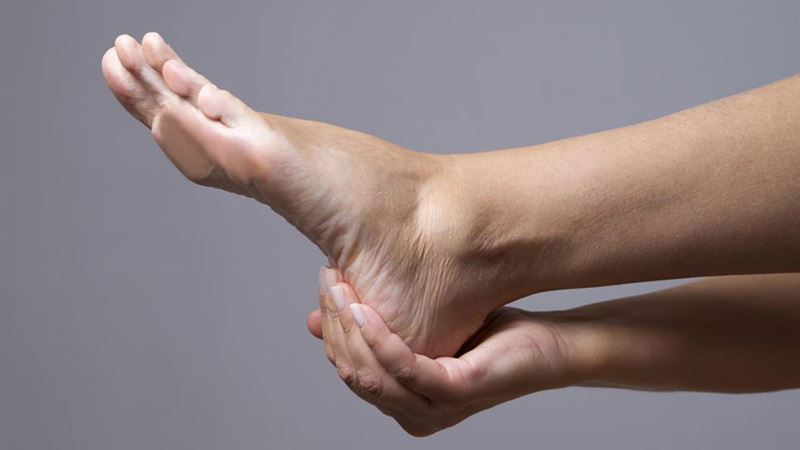
Many people tend to confuse corns with calluses, considering them similar conditions. However, both have distinct characteristics and locations on the foot. Corns are hardened spots of skin that usually form on or between the toes, and occasionally on the sides of toes, whereas calluses typically develop on the soles of the feet under areas subjected to continuous pressure. This distinction is vital because it influences the treatment approach and preventive measures.
Foot corns develop gradually over time, and their appearance can indicate the severity of the problem. It’s crucial to identify early signs to treat corns effectively before they cause significant discomfort or complications. Symptoms include the formation of thick, rough patches of skin near or between the toes, which can become painful and sensitive. Dryness and flakiness often accompany these patches, hinting at the progression of the condition. Any pain or tenderness experienced in these areas can significantly impact mobility, making everyday walking and activity challenging.
- If you observe a firm, bumpy patch of skin around or between your toes, it likely indicates a developing foot corn.
- The skin in these areas may become dry, flaky, and hardened over time.
- Persistent pain, soreness, or tenderness near the toes suggests an advanced stage requiring prompt attention.
- Noticing these symptoms early allows for timely intervention, preventing further discomfort and potential complications.
Foot corns are particularly common among individuals who prioritize style over comfort, especially those who frequently wear ill-fitting shoes, high heels, or footwear that does not provide sufficient breathability. Continuous friction and pressure from tight shoes or improper footwear serve as the primary causes of corn formation. These factors irritate the skin, prompting it to thicken as a protective response, which over time turns into painful corns.
People with certain foot deformities, such as hammertoes, bunions, or bone spurs, are also more prone to developing corns. These deformities alter foot anatomy, increasing friction points during walking or standing. Additionally, aging and certain medical conditions like diabetes or peripheral neuropathy can diminish foot sensation, making it harder to detect early signs of corns or other foot problems. Proper foot care and footwear selection are critical to preventing corns, especially for those at higher risk.
Effective Treatment Options for Foot Corns
Addressing foot corns requires a multifaceted approach that combines proper treatment techniques with preventive strategies. The first step is consulting a healthcare professional or podiatrist who can accurately diagnose the condition and recommend appropriate remedies. Self-treatment options can be effective for initial stages, but persistent or painful corns may require professional intervention.
Home Remedies and Over-the-Counter Treatments
- ====================================
- Soakingfeet in warm water helps soften the thickened skin, making it easier to remove the corn gently with a pumice stone or emery board.
- Applying over-the-counter corn removal pads that contain salicylic acid can help dissolve the hardened skin gradually. It’s important to follow the instructions carefully to avoid damaging surrounding healthy tissue.
- Moisturizing the feet regularly with emollients or foot creams keeps the skin supple, reducing the risk of additional thickening.
- Wearing cushioned insoles or pads can alleviate pressure and friction on vulnerable areas, providing relief and preventing further development.
- Avoiding tight and ill-fitting shoes is crucial in managing and preventing corns. Opt for comfortable, properly fitted footwear with adequate toe room.
Professional Treatments
- Podiatrists may perform minor procedures, such as debriding or removing the thickened skin, to provide immediate relief.
- In some cases, orthotic devices or custom-made shoe inserts can help correct foot deformities and redistribute pressure more evenly across the foot, preventing recurrence.
- Surgical intervention is rarely necessary but may be considered in severe cases where deformities or recurrent corns cause persistent pain and do not respond to conservative treatments.
Preventing Foot Corn Formation
Prevention is always better than cure, especially when it comes to foot health. Implementing simple habits can significantly reduce the risk of developing corns and calluses.
- Choose footwear that fits well, providing enough room for toes to move freely without friction or pressure.
- Avoid wearing high heels or shoes with narrow toe boxes for prolonged periods.
- Use cushioned insoles or pads in shoes to reduce pressure on susceptible areas.
- Maintain good foot hygiene by regularly washing and moisturizing the feet.
- Inspect your feet routinely for early signs of skin thickening or irritation.
- If you have existing foot deformities, consult a podiatrist for appropriate corrective measures or custom footwear.
- Avoid walking barefoot on rough surfaces that can cause irritation and increase friction.
Summary
Foot corns are a common discomfort caused by repeated friction, pressure, and improper footwear. They are characterized by thickened, hardened patches of skin that often appear between or on the sides of toes, leading to discomfort and difficulty walking. Recognizing early symptoms and seeking timely treatment can prevent complications and promote healthy foot function. Proper footwear, good foot hygiene, and professional care are vital components of effective management and prevention of foot corns. Emphasizing comfort over style and adopting preventive habits can go a long way in maintaining foot health and ensuring pain-free mobility for years to come.