
Essential Foods to Prevent Muscle Cramps and Promote Muscle Health
Discover the top dietary strategies to prevent muscle cramps and enhance muscular health naturally. This extensive guide covers foods rich in magnesium, potassium, calcium, and sodium, providing practical tips for a balanced diet that supports muscle relaxation, reduces spasms, and boosts overall vitality. Perfect for athletes and health-conscious individuals, learn how natural foods can help you stay cramp-free and improve your physical performance.
Maintaining proper muscle function is vital for daily activities and overall well-being. One effective way to support healthy muscles and reduce the risk of cramps is through diet. Incorporating specific nutrient-rich foods can help replenish essential minerals and promote optimal muscle performance. This comprehensive guide explores various foods that aid in preventing muscle cramps, enhances muscle recovery, and maintains muscular health, making it an invaluable resource for athletes, fitness enthusiasts, and anyone wanting to improve their muscle health naturally.
Foods rich in magnesium, potassium, calcium, sodium, and other vital nutrients play a crucial role in muscle function. By understanding which foods are best suited to provide these nutrients, you can tailor your diet to reduce the incidence of muscle cramps and promote overall muscular vitality. In this detailed article, we'll delve into the top foods to include in your diet for muscle health, how they work in your body, and practical tips for incorporating them into your daily routine.
Magnesium-Rich Foods for Muscle Relaxation Magnesium is a pivotal mineral that supports muscle relaxation and reduces cramping. Consuming magnesium-rich foods is an effective way to ensure your muscles stay supple and free of spasms. Quinoa, often compared to rice in preparation, is an excellent source of magnesium. Its high magnesium content helps relax tense muscles and alleviates cramping episodes. Other grains like oats and whole-wheat products are also rich in magnesium and perfect for incorporating into your breakfast or snack routines.
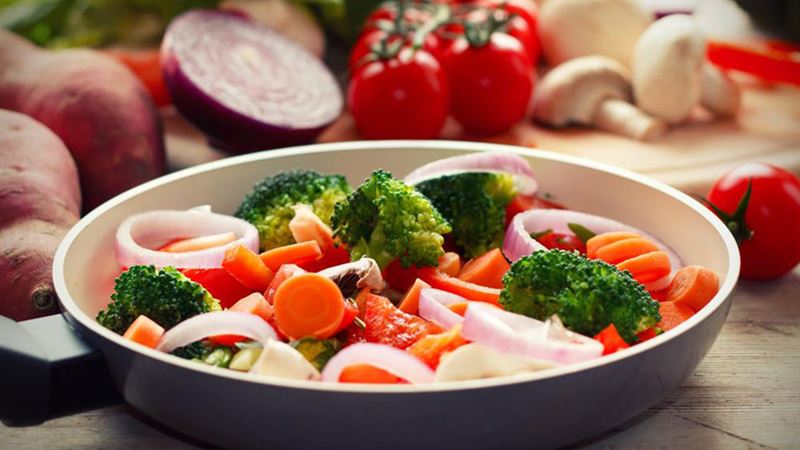
Bananas: Nature’s Potassium Powerhouse Bananas are renowned for their high potassium content, which plays a significant role in muscle contraction and nerve function. Adequate potassium levels are essential to prevent cramps, especially after intense physical activity. Instead of relying solely on supplements, reaching for fresh bananas, along with potassium-rich foods like sweet potatoes, melons, and tomatoes, provides a natural and balanced approach to maintaining optimal potassium levels in your body.
Calcium for Strong Muscles Calcium is vital for muscle contraction and relaxation. A calcium deficiency can lead to involuntary muscle spasms and cramps. Dairy products such as milk, yogurt, and cheese are excellent sources of calcium, making them a convenient addition to meals. For those who are lactose intolerant or prefer plant-based options, leafy greens like kale and collards, as well as canned sardines with bones, can supplement calcium intake. Regular consumption of calcium-rich foods ensures your muscles remain strong and less prone to cramps.
Hydrating and Replenishing Sodium with Celery Celery is not only a crunchy snack but also a natural source of sodium, which helps maintain fluid balance in the body. During physical activities, electrolytes like sodium are lost through sweat, leading to dehydration and muscle cramps if not replenished. Incorporating celery into your diet can naturally restore sodium levels without the need for processed salts. Its high water content combined with natural sodium makes it an ideal food for hydration and electrolyte balance.
Oatmeal and Whole Grains for Magnesium and Energy Oatmeal serves as a powerful breakfast option that supplies magnesium and other essential nutrients. Whole grains like wheat bread and pasta are also excellent sources of magnesium, supporting muscle relaxation and preventing cramps. Including these in your daily diet not only fuels your body with energy but also helps maintain electrolyte balance, crucial for muscle health.
Legumes and Beans: Magnesium Powerhouses Beans, lentils, and other legumes are rich in magnesium, fiber, and protein. Regularly including beans in your meals can significantly boost your magnesium intake, thus reducing muscle twitching and cramps. Whether added to salads, soups, or stews, beans are an affordable and versatile way to promote muscular health and prevent discomfort caused by cramps.
In conclusion, a well-balanced diet rich in magnesium, potassium, calcium, and sodium can dramatically lower the risk of muscle cramps and support overall muscle functionality. Prioritizing these nutrients through natural foods not only promotes health but also avoids the potential overdose risks associated with supplements. Remember, combining a nutritious diet with proper hydration and regular exercise forms the foundation for maintaining healthy, resilient muscles. Implement these dietary strategies today and enjoy the benefits of fewer cramps and faster muscle recovery, contributing to a healthier, more active life.