
Essential Nourishing Foods for Optimal Brain Function and Health
Discover the top a nd effective foods to optimize brain health, enhance memory, and protect against neurodegenerative diseases. This comprehensive guide explores nutrient-rich options like fatty fish, broccoli, turmeric, dark chocolate, and walnuts, offering practical tips to incorporate them into your daily diet for long-lasting cognitive benefits.
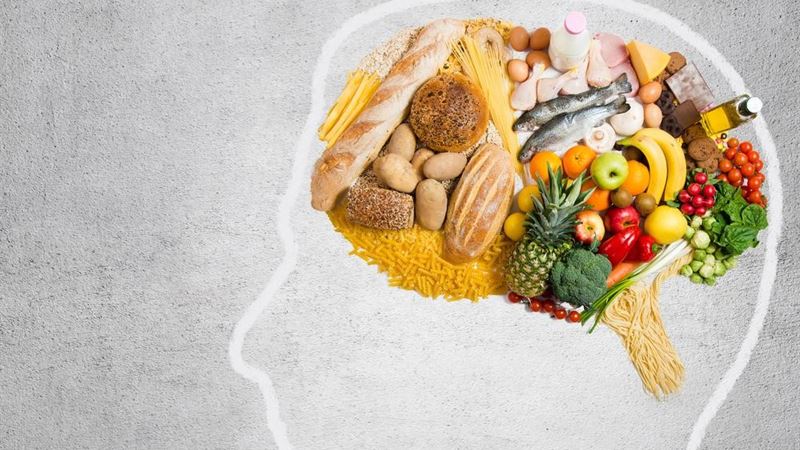
Understanding the relationship between diet and brain health is essential for developing effective nutritional strategies. Recent scientific studies have established that certain nutrients, such as omega-3 fatty acids, antioxidants, vitamins, and phytochemicals, play a vital role in maintaining cognitive functions and protecting brain cells from damage. By prioritizing these foods, you can help ensure a healthier, sharper mind over the years.
Fatty fish such as salmon, mackerel, sardines, and anchovies are some of the most potent foods for supporting brain health due to their rich content of omega-3 fatty acids, particularly EPA and DHA. These essential fats compose a significant portion of brain tissue, accounting for nearly 60% of its fat content.
Omega-3 fatty acids are fundamental in constructing neuronal cell membranes, ensuring fluidity and efficient communication between nerve cells. This process is crucial for learning, memory, and overall mental clarity. Research indicates that regular consumption of omega-3-rich fish can slow natural age-related cognitive decline and reduce the risk of developing neurodegenerative conditions such as Alzheimer’s disease and Parkinson’s disease. Incorporating baked or grilled fish into your weekly diet can be an effective strategy to harness these benefits.
Broccoli is renowned for its potent antioxidant and anti-inflammatory properties, making it an excellent addition to a brain-healthy diet. It is exceptionally high in Vitamin K, which plays a vital role in producing sphingolipids—fatty compounds that are integral to healthy brain cell membranes.
By consuming broccoli regularly, you can enhance your memory and cognitive processing abilities. Vitamin K not only supports brain cell integrity but also offers protection against oxidative stress and inflammation, which are linked to cognitive decline. Moreover, the bioactive compounds in broccoli may help mitigate the risk of neurodegenerative diseases, making it a crucial vegetable for long-term brain health.
This vibrant yellow spice, often used in curry dishes, contains curcumin, a powerful phytochemical that has garnered attention for its neuroprotective properties. Curcumin can easily cross the blood-brain barrier, allowing it to exert direct effects on brain cells.
Studies suggest that curcumin helps clear amyloid plaques associated with Alzheimer’s disease, thereby improving memory and cognitive function. Additionally, it boosts the production of mood-enhancing neurotransmitters like serotonin and dopamine, which can help alleviate symptoms of depression and anxiety. Incorporating turmeric into meals or taking supplements can promote faster and healthier brain cell renewal, supporting overall mental vitality.
Dark chocolate, with its rich composition of caffeine, antioxidants, and flavonoids, offers notable benefits for mental health and mood regulation. Flavonoids are potent compounds that accumulate in brain regions responsible for learning and memory, promoting neural plasticity.
Regular intake of dark chocolate has been shown to slow cognitive decline associated with aging, enhance memory retention, and elevate feelings of happiness. The positive effects are partly due to increased blood flow to the brain and reduced inflammation. This makes dark chocolate not only a delicious treat but also a smart choice for boosting brain function and mood.
Among various nuts, walnuts stand out as a superior food for cognitive support. They are rich in omega-3 fats, specifically ALA (alpha-linolenic acid), along with the antioxidants and vitamin E they contain. These nutrients work synergistically to improve cognitive abilities and protect against age-related neurodegenerative disorders.
Vitamin E in walnuts shields cell membranes from oxidative damage caused by free radicals, which is crucial for maintaining healthy brain function. The antioxidants help reduce inflammation and support neural regeneration. Regular walnut consumption can enhance memory, concentration, and overall mental resilience.