
Comprehensive Strategies for Lowering Cholesterol Naturally and Medically
Discover effective and natural methods for lowering high cholesterol through medications, dietary adjustments, and lifestyle changes. This comprehensive guide empowers you to take control of your cardiovascular health, with expert-backed strategies that are sustainable and tailored to your needs. Learn about innovative treatments, heart-healthy foods, and exercise routines designed to optimize your lipid profile and reduce the risk of heart disease, supporting long-term wellness and vitality.
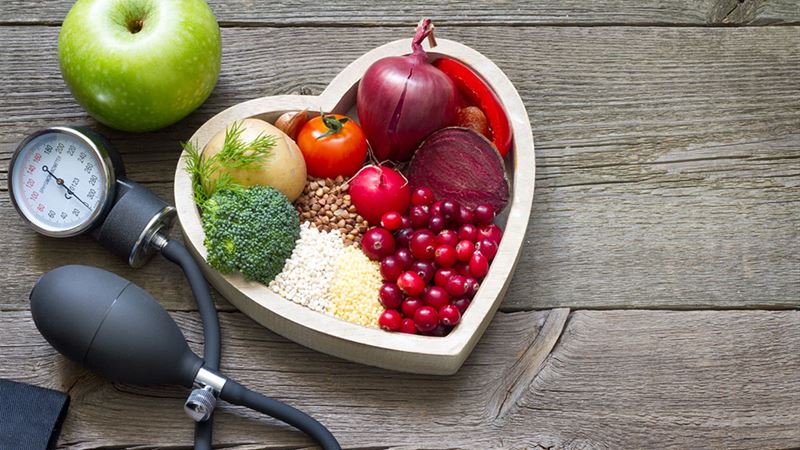
High levels of low-density lipoprotein (LDL), commonly known as bad cholesterol, can accumulate within arterial walls, leading to atherosclerosis, heart attacks, and strokes. Lowering LDL and increasing high-density lipoprotein (HDL), termed good cholesterol, are critical steps in reducing cardiovascular risk. Both medications and lifestyle therapies play a vital role in achieving optimal cholesterol levels. Here, we delve into the most effective pharmaceutical options, dietary strategies, physical activities, and supplementary approaches to help you manage cholesterol holistically.
Pharmaceutical Interventions for Cholesterol Management
Medical treatments are often prescribed when lifestyle changes alone cannot sufficiently lower cholesterol levels. Several classes of medications have proven effective, each targeting different mechanisms of lipid metabolism. Consulting with a healthcare professional is important before starting any pharmacological therapy to tailor the treatment plan to your individual health needs.
- Bile Acid Sequestrants: These medications, including colestipol, cholestyramine, and colesevelam, work by binding bile acids in the intestines. Since bile acids are made from cholesterol, their binding prevents reabsorption, prompting the liver to use circulating LDL cholesterol to produce more bile acids. As a result, LDL levels in the blood decrease effectively. These drugs are often used in conjunction with other treatments and can sometimes cause gastrointestinal side effects.
- Ezetimibe (Zetia): Ezetimibe offers a dual approach: it inhibits the absorption of dietary cholesterol by blocking proteins responsible for intestinal uptake. This suppression reduces the amount of cholesterol delivered to the liver and circulating in the bloodstream. Ezetimibe can be an effective standalone therapy or combined with statins for enhanced cholesterol reduction.
- Niacin (Vitamin B3): This vitamin is known for boosting HDL cholesterol levels and reducing triglycerides. Niacin works by decreasing triglyceride synthesis and LDL particle secretion. While it is less potent than some other drugs, niacin is sometimes used as an adjunct therapy, particularly for patients intolerant to statins. However, high doses may lead to flushing, liver toxicity, and other side effects, so medical supervision is essential.
- Fibrates: Drugs such as gemfibrozil, fenofibrate, and clofibrate primarily target triglycerides and VLDL particles. They activate peroxisome proliferator-activated receptors (PPARs), leading to enhanced breakdown of triglycerides and reduced production of VLDL in the liver. Fibrates are especially helpful in patients with hypertriglyceridemia, diminishing the risk of pancreatitis and other complications.
- Omega-3 Fatty Acid Supplements: Derived from fish oils and certain plant sources, omega-3s (EPA and DHA) increase HDL and reduce triglycerides. Supplementing with omega-3 can be particularly beneficial for individuals with high triglyceride levels, offering cardioprotective effects with minimal side effects. Food sources like fatty fish (salmon, mackerel), walnuts, and flaxseed are excellent options.
It is important to note that all medications must be taken under medical guidance. Some drugs might interact with other medications or cause adverse effects. Regular monitoring of blood lipid profiles is crucial for assessing treatment efficacy and making necessary adjustments.
Adopting Heart-Healthy Dietary Changes
The foundation of cholesterol management often begins with nutrition. Dietary choices have a powerful influence on lipid profiles, and making informed adjustments can significantly reduce LDL, increase HDL, and improve overall heart health. Here’s a comprehensive outline of dietary modifications and specific foods that support healthy cholesterol levels.
- Prioritize Vegetables and Leafy Greens: Spinach, kale, collard greens, and other green vegetables are rich in lutein, a powerful antioxidant that helps prevent the buildup of cholesterol particles in arteries. Including a variety of vegetables in your daily meals boosts fiber intake and supplies phytochemicals that support vascular health.
- Incorporate Heart-Healthy Fruits: Avocados contain beta-sitosterol, a plant sterol that reduces cholesterol absorption in the gut. Berries, apples, and oranges are high in soluble fiber, which aids in lowering LDL cholesterol. Berries are packed with antioxidants that fight oxidative stress, a contributor to arterial damage.
- Choose Healthy Fats: Replacing saturated and trans fats with unsaturated fats from sources like olive oil, nuts, and seeds can improve lipid profiles. Extra virgin olive oil, in particular, contains monounsaturated fats and polyphenols that promote heart health.
- Eat Legumes and Whole Grains: Beans, lentils, and other legumes are rich in both soluble fiber and plant-based protein, helping to lower total cholesterol and LDL. Whole oats and barley contain beta-glucan, a soluble fiber that absorbs LDL cholesterol and promotes its elimination.
- Limit Unhealthy Foods: Dietary intake of processed and fried foods, foods high in added sugars, and refined carbohydrates should be minimized. These promote weight gain, insulin resistance, and worsen lipid profiles.
- Enjoy Dark Chocolate: Consuming high-quality dark chocolate (above 70% cacao) supplies antioxidants called flavonoids that help improve endothelial function and reduce clot formation.
- Include Nuts and Seeds: Almonds, walnuts, chia seeds, and flaxseeds provide healthy fats, fiber, and plant sterols that contribute to lowering LDL and supporting HDL production.
- Use Moderate Red Wine: Red wine contains resveratrol and antioxidants that may offer protective cardiovascular effects; moderation is key—up to one glass per day for women and two for men.
Lifestyle and Physical Activity
Complementing dietary changes with regular physical activity is crucial for cholesterol management. Exercise helps increase HDL, lower LDL, and improve overall vascular health. Both aerobic and resistance exercises offer benefits, and a combination provides optimal results. Here are recommended activities:
- Brisk walking or jogging
- Swimming and water aerobics
- Cycling or mountain biking
- Playing sports like tennis, soccer, or basketball
- Weight training to enhance muscle mass and boost metabolism
Consistency is key. Aim for at least 150 minutes of moderate-intensity aerobic activity or 75 minutes of vigorous activity weekly, combined with muscle-strengthening exercises on two or more days. This approach not only improves lipid profiles but also promotes overall cardiovascular health.
Additional Natural and Alternative Approaches
Beyond medications and diet, several natural remedies and lifestyle habits can support cholesterol reduction:
- Garlic: Contains molecules that hinder plaque formation by preventing cholesterol from attaching to arterial walls.
- Herbal Supplements: Plant sterols and stanols, available as supplements, effectively block cholesterol absorption. Always consult your healthcare provider before starting any supplements.
- Stress Management: Chronic stress can negatively impact cholesterol levels. Practices such as meditation, yoga, and deep breathing can improve overall cardiovascular health.
- Adequate Sleep: Quality sleep supports metabolic processes and hormone regulation, indirectly influencing cholesterol balance.
Holistic Approach and Tailored Strategies
Ultimately, successful cholesterol management requires a personalized plan that combines medication, diet, physical activity, and behavioral modifications. Regular check-ups and blood lipid testing enable your healthcare provider to evaluate progress and make necessary adjustments. Adopting a comprehensive, sustainable approach to heart health can prevent complications and promote a longer, healthier life.
Take proactive steps now—consult your doctor, embrace heart-healthy habits, and commit to a lifestyle that supports optimal cholesterol levels and overall well-being.