
Comprehensive Guide to Dietary and Medical Approaches for Better Bladder Control
This comprehensive guide offers in-depth insights into dietary choices, foods to consume or avoid, and medical options for enhancing bladder control. Incorporating lean proteins, colorful fruits and vegetables, and avoiding acidic, spicy, and carbonated foods can significantly improve urinary health. Pharmacological treatments like MYRBETRIQ, Tolterodine, and Trospium provide additional support for those with persistent symptoms. Adopting these strategies empowers individuals to manage bladder issues effectively, reduce discomfort, and enhance their quality of life through informed lifestyle and medical interventions.
Optimizing Dietary Choices for Bladder Health
One of the most effective ways to support bladder health is through mindful dietary choices. By understanding which foods promote bladder strength and which foods exacerbate symptoms, individuals can make informed decisions that lead to better urinary control.
Focus on Lean Proteins
Lean protein sources play a vital role in strengthening the muscles surrounding the urinary bladder. A robust bladder wall and supportive muscles help prevent leaks, frequency, and urgency. Including foods rich in lean proteins in your daily diet can have a profound impact on bladder stability. Examples include skinless poultry such as chicken and turkey, lean cuts of beef and pork, fresh fish like salmon, cod, and tilapia, and eggs. For those following plant-based diets, beans, lentils, soy products, and oats are excellent options that provide ample protein along with fiber and other nutrients.
Additionally, these proteins contain essential amino acids that support tissue repair and muscle strength, which are vital for maintaining bladder control over time. Incorporating these foods into balanced meals can help improve the overall health of your urinary tract.
Incorporate Colorful Fruits and Vegetables
Fruits and vegetables are powerhouses of vitamins, minerals, antioxidants, and dietary fiber—all of which contribute to urinary health. Rich in antioxidants, these foods help combat oxidative stress and inflammation, which can damage bladder tissues. Regular consumption of a variety of colorful produce supports overall immune health and promotes the body's ability to repair damaged tissues.
Top choices include berries, apples, bananas, pears, and grapes, along with vegetables like broccoli, spinach, kale, carrots, and bell peppers. Their high fiber content aids digestion and prevents constipation, a condition that can negatively affect bladder function. Moreover, a diet rich in plant-based foods fosters a healthier microbiome, which has been linked to improved urinary tract health.
Foods to Avoid for Better Bladder Control
While some foods support bladder health, others can have detrimental effects, particularly for those with overactive bladder or urinary incontinence. Recognizing and limiting these trigger foods can significantly alleviate symptoms.
Citrus Fruits
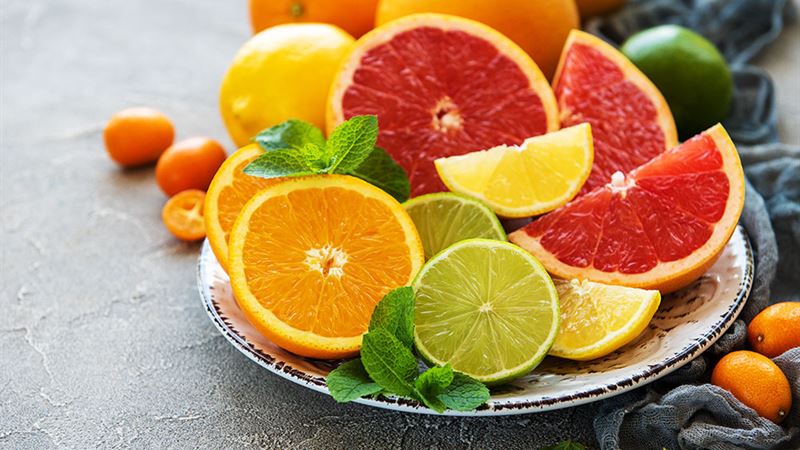
Fruits like oranges, grapefruits, lemons, limes, and tangerines are highly nutritious but contain citric acid, which can irritate the delicate lining of the bladder. For individuals sensitive to acids, consuming large amounts of citrus may lead to increased incontinence, urgency, and discomfort. Instead, opt for fruits like bananas, apples, or pears, which are gentle on the bladder and still provide essential nutrients.
Carbonated and Sugary Drinks
Carbonated beverages, sports drinks, and sodas often contain excessive processed sugars, artificial flavors, and additives. These ingredients can irritate the gastrointestinal and urinary systems, leading to increased bladder sensitivity. Additionally, many of these drinks are caffeinated, which acts as a diuretic, causing dehydration and concentrated urine that can inflame the bladder lining. For healthier hydration, choose water, herbal teas, or diluted natural fruit juices.
Spicy and Peppery Foods
Spicy foods, including chili peppers, hot sauces, and chili flakes, contain capsaicin, a compound known to irritate the bladder. For individuals experiencing symptoms like urgency, frequency, or pain, it is advisable to eliminate or reduce spicy food intake. Using milder herbs and spices can add flavor without compromising bladder comfort.
Other Dietary Tips and Lifestyle Modifications
In addition to avoiding certain foods, adopting other lifestyle modifications can bolster bladder health. Maintaining a healthy weight reduces pressure on the bladder, while avoiding excessive caffeine and alcohol minimizes irritation. Regular pelvic floor exercises, such as Kegel routines, strengthen pelvic muscles, providing better support for the bladder and urethra. Staying well-hydrated with non-irritating fluids and managing stress also contribute positively to bladder control.
Medical Treatments for Bladder Disorders
For some individuals, dietary changes alone may not suffice. Medical interventions can provide additional relief and improve bladder function. Several medications are prescribed based on the specific needs and severity of symptoms.
MYRBETRIQ
MYRBETRIQ is a widely used medication prescribed for overactive bladder management. It helps reduce urinary urgency, frequency, and leakage episodes. The drug comes in an oral tablet form, typically taken once daily, and works by relaxing the bladder muscles to enhance capacity and reduce involuntary contractions.
Tolterodine
This FDA-approved medication is effective in treating symptoms associated with overactive bladder, such as sudden urges, frequent bathroom trips, and accidental leakages. Tolterodine works by targeting nerve signals that trigger bladder contractions, thereby calming overactive muscles.
Trospium
Trospium is another oral medication designed to relax the bladder muscles, preventing uncontrollable urination episodes. It is typically prescribed for moderate to severe bladder symptoms and can significantly reduce the impact of incontinence on daily life.
Consult a healthcare professional to determine the most suitable medical approach based on individual needs and health status.
In summary, maintaining bladder health involves a balanced approach that includes mindful dietary practices, lifestyle modifications, and, when necessary, medical treatments. By embracing these strategies, individuals can effectively manage symptoms, improve their quality of life, and regain confidence in daily activities.