
The Top 5 Probiotic-Rich Foods for Better Digestive and Overall Health
Discover the top five probiotic-rich foods that support digestive health and boost immunity. Learn how yogurt, miso, sauerkraut, kimchi, and fermented pickles can enhance your wellbeing with their beneficial bacteria and nutrients. Incorporate these delicious options into your daily diet for optimal health benefits and a balanced gut microbiome.
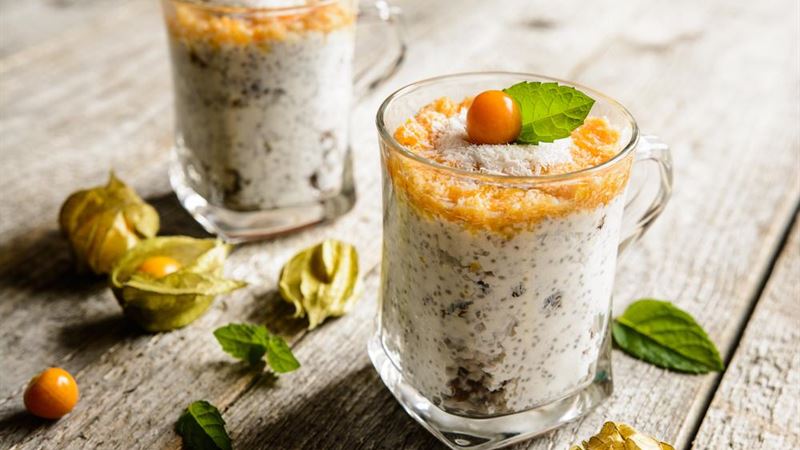
Maintaining a balanced and healthy gut is essential for overall wellness, immunity, and digestion. Incorporating probiotic-rich foods into your diet can significantly enhance gut flora, improve digestion, and bolster your immune system. Not all probiotic foods are created equal; some contain live bacteria that provide direct benefits, while others may lose their probiotic qualities during processing. This comprehensive guide explores the top five foods packed with beneficial probiotics, their health benefits, and how to incorporate them into your daily routine.
Understanding Probiotics and Their Importance
Probiotics are live microorganisms that confer health benefits when consumed in adequate amounts. They primarily support digestive health by balancing the beneficial bacteria in your gut, preventing harmful bacteria from colonizing, and aiding in nutrient absorption. A healthy gut microbiome has been linked to improved mood, better immune function, and reduced inflammation.
To maximize the benefits of probiotics, it's crucial to select foods that contain live cultures and to handle them properly, as heat and processing can diminish their active bacteria content. The following foods stand out for their probiotic qualities and nutritional profiles, making them excellent additions to your diet.
1. Yogurt: A Classic Source of Beneficial Bacteria
Yogurt remains one of the most popular probiotic foods globally. It's derived from fermented milk through the action of beneficial bacteria, mainly Lactobacillus and Bifidobacterium strains. When selecting yogurt, always check for labels indicating 'live and active cultures' to ensure you're getting probiotics.
Yogurt offers a plethora of health advantages beyond probiotics. It is a rich source of calcium, vitamin D, protein, and B vitamins, which are essential for bone health, energy production, and metabolic functions. Regular consumption of yogurt has been linked to improved digestion, alleviation of symptoms associated with irritable bowel syndrome (IBS), and reduced incidence of diarrhea caused by antibiotics in children.
However, not all yogurts contain live bacteria. Some commercial varieties undergo heat treatment during processing, which kills the probiotics. To maximize health benefits, opt for unflavored, plain yogurt with minimal additives and check for active probiotic cultures on the label.
2. Miso: Fermented Japanese Superfood
Miso is a traditional Japanese seasoning made by fermenting soybeans with a mold called koji and salt. Variations include rice, barley, and rye miso, each imparting unique flavors and nutritional profiles. Miso is often used to prepare miso soup, a staple breakfast dish in Japan, known for its umami flavor and nutritional benefits.
Miso is packed with fiber, protein, vitamins, minerals, and phytonutrients. Its fermentation process promotes the growth of beneficial bacteria, which can improve gut health and support the immune system. Scientific studies have suggested that regularly consuming miso may be associated with a reduced risk of certain types of cancer, particularly in middle-aged women, due to its antioxidant and anti-inflammatory properties.
Incorporating miso into your diet can be straightforward — simply add it to soups, dressings, or marinades. Remember to choose unpasteurized miso whenever possible, as pasteurization kills the beneficial probiotics.
3. Sauerkraut: A Times-Tested Fermented Cabbage
Sauerkraut is finely shredded cabbage fermented by naturally occurring lactic acid bacteria. It is one of the oldest traditional fermented foods and a mainstay in many cuisines worldwide. Its tangy flavor and crunchy texture make it a versatile addition to a variety of dishes, from sandwiches to salads.
Sauerkraut is rich in probiotics, vitamins C, B, and K, as well as dietary fiber. It also provides essential minerals like manganese and iron. However, to retain its probiotic benefits, it's imperative to choose unpasteurized, raw sauerkraut. Pasteurization kills the live bacteria, reducing its probiotic value.
Eating sauerkraut regularly supports digestive health, boosts immunity, and contributes to a balanced gut flora. Incorporate it as a side dish or topping to enjoy its health benefits fully.
4. Kimchi: The Spicy Korean Fermentation
Kimchi is a spicy, tangy, and fermented vegetable dish originating from Korea, primarily made with cabbage, radishes, scallions, garlic, ginger, and red chili pepper flakes. Its fermentation process is driven by lactic acid bacteria, which produce probiotics beneficial for the gut.
Kimchi is not only rich in probiotics but also loaded with vitamins (such as vitamin K and B vitamins), minerals, and antioxidants. Its spicy flavor and nutrient density make it a popular choice for those seeking to improve digestive health and overall immunity.
Incorporate kimchi into meals by adding it to rice bowls, stir-fries, or as a side condiment. Due to its fermentation process, kimchi provides live bacteria that enhance gut flora and support digestion.
5. Fermented Pickles: Tangy and Probiotic
Traditional fermented pickles, made by soaking cucumbers in a brine of water and salt, undergo a natural fermentation process facilitated by naturally present lactic acid bacteria. This process produces probiotics that aid digestive health.
Pickles are low in calories and a good source of vitamin K, important for blood clotting. They contain beneficial bacteria that improve gut balance, support immunity, and may help in maintaining gastrointestinal health.
It's critical to distinguish between fermented pickles and vinegar-based ones. Fermented pickles contain live probiotics, while those pickled with vinegar do not, as the vinegar process halts fermentation and kills bacteria. For maximum probiotic intake, select unpasteurized, naturally fermented varieties.
Conclusion: Incorporate Probiotic Foods for Optimal Health
Integrating probiotic-rich foods into your diet can profoundly impact your digestive health, immune functions, and overall well-being. From creamy yogurt to tangy kimchi and sauerkraut, these foods provide an array of beneficial bacteria and nutrients to help you maintain a healthy microbiome.
To reap their full benefits, choose minimally processed, unpasteurized options whenever available, and handle them properly to preserve live cultures. Regular consumption, combined with a balanced diet rich in fiber, fruits, and vegetables, can help you achieve optimal health and vitality. Embrace these flavorful, nutrient-dense foods as part of your daily nutrition plan and enjoy the numerous health benefits they offer.