
Common Causes and Prevention of Car Window Damage
Discover comprehensive insights into the key causes of car window damage, including impacts, environmental stressors, and quality issues. Learn prevention tips and repair options to keep your vehicle’s windows intact, ensuring safety and longevity. Regular maintenance and prompt repairs can save you money and prolong the lifespan of your car windows, safeguarding your investment and enhancing vehicle safety on the road.
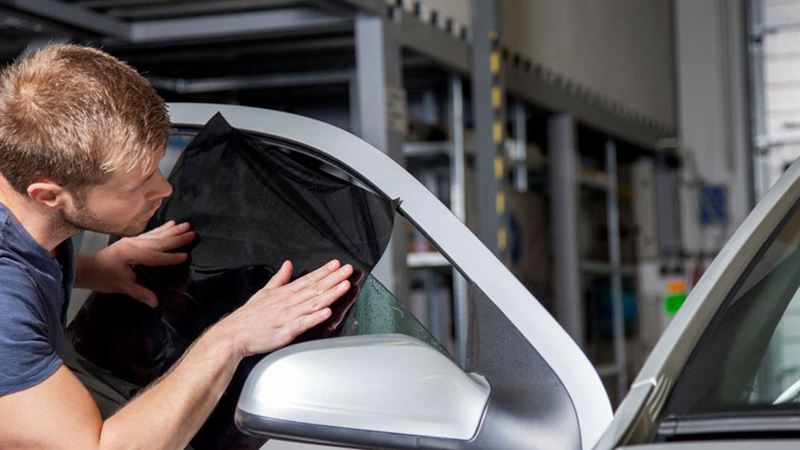
Car windows are essential components that not only provide visibility and comfort but also serve as protective barriers against external elements. Damage to these windows can compromise safety, increase repair costs, and make your vehicle more vulnerable to theft or further damage. Recognizing the various factors that contribute to car window damage is crucial for vehicle owners aiming to maintain the integrity and longevity of their windows. Proper prevention and timely repairs can save you money and ensure your car remains secure and in good condition.
Understanding what causes car window damage helps in implementing practical measures to prevent it. From environmental factors like temperature fluctuations to external impacts such as road debris, many elements can compromise the glass quality or structure over time. This comprehensive guide explores the primary causes of car window damage, offering insights into prevention strategies and maintenance tips to keep your vehicle’s windows intact.
Impact from Road Debris
One of the most common causes of car window damage, especially in urban and construction zones, is flying debris from the road. During construction or highway repairs, rocks, gravel, and other loose materials can be propelled by vehicles hitting your car’s windshield or side windows. Even small particles can cause tiny chips or cracks that may seem minor initially but can expand over time. Continuous exposure to such impacts diminishes the structural integrity of the glass, increasing the risk of breakage during sudden temperature changes or additional impacts.
To mitigate this risk, drivers should maintain safe distances from construction zones and large trucks to avoid flying debris. Installing protective films or lamination can also enhance resistance against minor impacts. Regularly inspecting your windows for early signs of cracks or chips allows prompt repair, preventing larger damage and costly replacements later.
Extreme Temperature Variations
Fluctuations in temperature play a significant role in damaging car windows. Exposure to intense sunlight can cause the glass to heat up rapidly, creating thermal stress that might lead to cracks. Conversely, cold weather can make the glass brittle, increasing its susceptibility to shattering upon impact. Car owners are advised to avoid parking in direct sunlight for prolonged periods and to seek shaded parking options whenever possible. Using window shades or tinted films can help regulate interior temperatures and protect the glass from rapid thermal expansion or contraction.
Furthermore, rapid cooling or heating—such as pouring hot water over frozen windows or using aggressive defrosting methods—can induce stress fractures. Gentle defrosting techniques and parking in well-shaded areas are effective preventative measures. Regular checks to ensure windows are free from existing cracks will help prevent minor issues from escalating due to temperature-related pressure.
Quality of the Glass
The durability of your car windows largely depends on the quality of the glass used during manufacturing. Low-quality glass tends to be less resistant to impacts and thermal stress, making it more prone to cracks, chips, or shattering. Modern vehicular glass is manufactured to meet specific safety standards, with laminated or tempered glass providing enhanced strength and safety features.
If the glass installation was improper or if inferior materials were used, the likelihood of damage increases significantly. Always choose reputable service providers for window repairs and replacements to ensure high-quality materials are used. Investing in quality glass prolongs the lifespan of your windows and offers better protection against everyday hazards.
Accidents and External Impacts
Accidental collisions, bird strikes, or impacts from nearby animals can cause immediate damage to car windows. Even minor incidents can lead to cracks or chips, which may weaken the glass structure over time. In some cases, sudden impacts exert enough force to shatter the window entirely, posing safety risks to occupants and pedestrians alike.
It's crucial to address any damage to your car windows promptly. Small chips can often be repaired before developing into larger cracks that require full replacements. Professionals utilize advanced techniques like resin repairs—using products like Glass Healer—to restore the integrity of chipped or cracked glass, saving you money and time. In the event of extensive damage, insurance coverage can often help offset repair or replacement costs, minimizing financial burden.
Driving with compromised windows not only risks further damage but also endangers safety. Always seek prompt repair services for any window impact damage. This proactive approach helps maintain your vehicle's safety standards and avoids escalation in repair costs.
Maintaining your car windows involves understanding potential risks and taking preventive steps. Regular inspections, timely repairs, and adopting cautious driving habits can significantly extend the lifespan of your vehicle’s windows. Remember to choose quality materials and experienced technicians for repairs to ensure durability and safety. If damages are beyond simple fixes, insurance options are available that can ease the financial burden of replacements. Ultimately, preserving your car's windows is essential for your vehicle's safety, security, and resale value. Committing to proper care and maintenance safeguards your investment and ensures peace of mind during your daily travels.