
Understanding Spinal Stenosis: Causes, Prevention Strategies, and Lifestyle Tips
Spinal stenosis, a common condition impacting the spinal canal, results from various factors including aging and injuries. Preventive measures like regular exercise, proper posture, healthy weight management, and correct lifting techniques are key. The article offers insights into causes, symptoms, diagnosis, and comprehensive lifestyle tips to safeguard spinal health and delay or prevent stenosis progression. Proper care and early intervention are vital for maintaining mobility and quality of life, making awareness and proactive habits essential for spinal well-being.
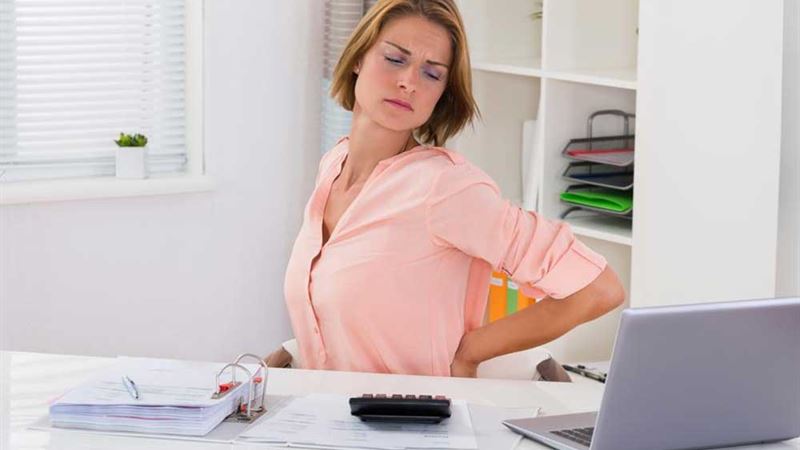
Spinal stenosis is a medical condition characterized by the narrowing of the spaces within the spine, which can exert pressure on the spinal cord and nerves. This condition predominantly affects older adults but can occur at any age due to various factors such as degeneration, injury, or congenital issues. Understanding the causes and implementing effective prevention strategies are essential to maintain spinal health and reduce the risk of developing this condition. ### What Is Spinal Stenosis? Spinal stenosis occurs when the spinal canal narrows, compressing the nerves and spinal cord. The narrowing can happen in various parts of the spine, including the cervical (neck), thoracic (mid-back), and lumbar (lower back) regions. Symptoms often include pain, numbness, tingling, weakness, and problems with coordination, especially in the affected areas. ### Causes and Risk Factors The development of spinal stenosis can be attributed to a variety of causes:
- Age-related Degeneration: The most common cause, where aging leads to disc herniation, ligament thickening, or bone spurs.
- Herniated Discs: When the inner gel-like core of the disc protrudes through its outer layer, leading to nerve compression.
- Thickening of Ligaments: Ligaments can thicken over time, encroaching on the spinal canal.
- Bone Spurs: Bony projections that develop as a response to joint degeneration.
- Injuries and Trauma: Accidents can lead to fractures or swelling that narrow the spinal canal.
- Congenital Conditions: Some individuals are born with a naturally narrow spinal canal.
- Other Factors: Tumors, infections, or metabolic diseases can also contribute.
- Maintain Regular Physical Activity
Engaging in consistent exercise helps strengthen the muscles supporting your spine, improves flexibility, and aids in weight management. A healthy weight reduces stress on the vertebrae and discs, significantly diminishing the risk factors associated with spinal stenosis. Incorporate activities like walking, swimming, yoga, or low-impact aerobics, but always consult a healthcare provider before starting any new regimen, especially if you have existing back issues. - Avoid Prolonged Sitting
Standing and moving regularly is critical as sitting for extended periods can increase pressure on your lower back. When standing, your legs serve as natural shock absorbers for the spine. Sitting for too long shifts weight directly onto the lumbar vertebrae, which can exacerbate degenerative changes. Aim to stand up and walk around every 30 minutes to promote circulation and relieve pressure. - Practice Proper Driving Posture
Incorrect seating positions in vehicles can contribute to spinal strain. Ensure your seat is adjusted to an angle close to 100 degrees, which supports the natural curve of your lower back. Use lumbar support pillows if necessary. Regularly adjusting your sitting position and taking breaks during long drives can prevent undue stress on your spine. - Optimize Your Sleep Environment
Sleeping on an appropriate mattress is vital for spinal health. A mattress that is too soft or too firm can lead to improper spinal alignment and discomfort. Select a medium-firm mattress that supports your natural spinal curve. If you wake up feeling stiffness or neck pain, it may be time to replace your mattress. Using pillows that support the neck and maintaining a proper sleeping posture can minimize strain. - Learn Correct Lifting Techniques
Lifting heavy objects improperly can cause acute injuries and accelerate degenerative processes. Always lift with your legs, not your back—bend your knees, keep the back straight, and lift close to your body. For heavy or awkward items, perform squat lifts or seek assistance to prevent undue stress on your spine. - Maintain a Healthy Weight
Extra body weight adds stress to your spine and accelerates degenerative changes. Adopting a healthy diet combined with regular exercise can help keep your weight within a healthy range, reducing the risk of spinal stenosis. - Avoid Smoking and Excessive Alcohol
Smoking impairs blood flow to spinal tissues, impeding healing and accelerating degeneration. Limiting or eliminating smoking and excessive alcohol consumption can help preserve spinal health. - Seek Regular Medical Checkups
Regular visits to a healthcare professional can help monitor your spine health, especially if you have a family history of back problems or experience early symptoms. Early detection and intervention are key to preventing serious complications.