
Essential Dietary Guidelines for Patients with Myeloid Leukemia
This comprehensive guide offers detailed dietary recommendations for myeloid leukemia patients, emphasizing foods that boost immunity and promote healing, while identifying foods to avoid. Proper nutrition can support treatment, improve recovery, and enhance overall well-being. Incorporating nutrient-dense vegetables, fruits, whole grains, probiotics, and lean proteins is essential, alongside avoiding processed, greasy, or unpasteurized products. Tailoring a balanced diet plays a vital role in managing myeloid leukemia effectively, making consultation with healthcare providers crucial for personalized care.
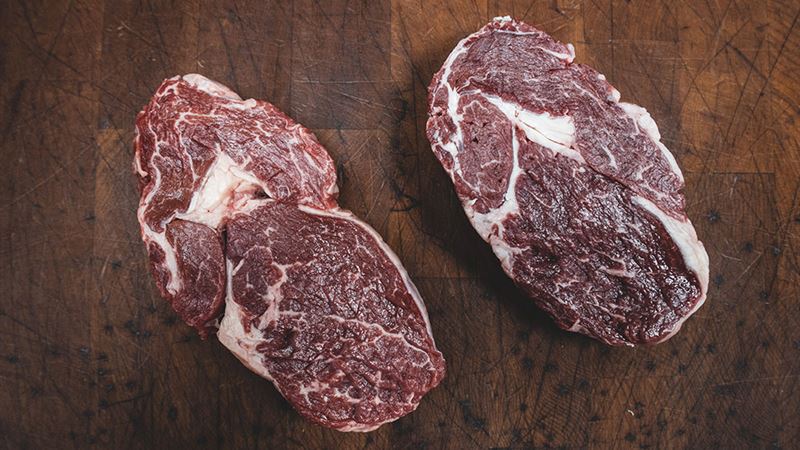
Managing diet is a critical aspect of caring for individuals diagnosed with myeloid leukemia. Proper nutrition not only supports the immune system but also helps manage treatment side effects and maintain overall health. This comprehensive guide explores food choices that can boost recovery and those that should be avoided, tailored specifically for myeloid leukemia patients. Understanding which nutrients aid in combating the disease and which foods may hinder progress is vital for patients, caregivers, and healthcare providers alike.
Incorporating specific nutrients into daily meals can significantly influence treatment outcomes. A balanced diet tailored for leukemia patients emphasizes certain food groups rich in vitamins, minerals, and other beneficial compounds. Conversely, avoiding foods that can exacerbate symptoms or interfere with treatments is equally important. This article delves deeply into both aspects—foods that promote health and those that pose risks—in an effort to optimize dietary habits for myeloid leukemia management.
- Cruciferous Vegetables: Nature's Defender
Leafy green vegetables like kale, spinach, broccoli, and cabbage are powerful allies in the fight against leukemia. These vegetables contain phytonutrients and antioxidants that can help neutralize carcinogens and support cellular health. Their rich fiber content also aids in digestion and helps regulate immune functions. Regular consumption of cruciferous vegetables is associated with a reduced risk of cancer progression, making them a crucial part of the diet for leukemia patients.
- Fruits: Nature's Sweet Support
Fruits are packed with essential vitamins, antioxidants, and fiber, which bolster the immune system and aid in recovery. Incorporating a variety of fruits like berries, apples, oranges, and melons into daily meals can enhance nutrient intake. Enjoying fruit as part of a cereal breakfast, in a fresh fruit bowl, or blended into smoothies provides a convenient and tasty way to boost health. Additionally, fresh fruits are preferable over processed options to maximize health benefits.
- Whole Grains: Nutrient-Dense Staples
Whole grains, including oats, buckwheat, quinoa, and brown rice, are excellent sources of complex carbohydrates, fiber, vitamins, and minerals. They serve as wholesome staples that provide sustained energy without causing spikes in blood sugar levels. Incorporating these grains into meals can support insulin regulation and promote overall vitality, which is essential during leukemia treatment. Experimenting with various whole grain recipes can keep the diet interesting and health-promoting.
- Probiotics: Gut Health Guardians
Fermented foods such as yogurt, kefir, miso, kimchi, and tempeh contain beneficial bacteria that support a healthy gut microbiome. A balanced gut flora is crucial for effective digestion and immune function, especially when the body is compromised by illness. Including probiotic-rich foods in a daily diet can help alleviate gastrointestinal discomfort and enhance nutrient absorption, contributing to overall well-being.
- Lean Proteins: Building Blocks for Recovery
Opt for fish, poultry, and lean meats, which are high in protein and low in saturated fats. These foods facilitate tissue repair, bolster the immune system, and maintain muscle mass during chemotherapy or other treatments. Selecting healthier preparation methods like baking, steaming, or grilling can further reduce fat intake and support a balanced diet aimed at combating leukemia.
Foods to Avoid for Myeloid Leukemia Patients
Alongside including beneficial foods, being aware of items that can hinder recovery or cause adverse effects is equally important. Certain foods should be limited or completely avoided to ensure optimal health during leukemia treatment.
- Heavy and Processed Foods
Cuisines high in fat, salt, and refined sugars such as fast foods, fried items, and processed snacks should be avoided. For leukemia patients, these foods are difficult to digest, can contribute to weight gain, and may elevate cholesterol levels—factors that complicate treatment and recovery.
- Unpasteurized Dairy Products
Raw milk and other unpasteurized dairy items harbor bacteria that can pose infection risks, especially for immunocompromised patients. These products are high in fat and can upset stomachs, so it's safer to choose pasteurized alternatives or plant-based substitutes.
- Packaged and Preserved Juices
Store-bought fruit juices often contain preservatives, added sugars, and artificial coloring that can negatively affect health. Freshly squeezed juices, smoothies, or whole fruits provide safer and more nutritious options to support the immune system and overall health.
In summary, a strategic approach to diet—favoring nutrient-rich, easily digestible foods and avoiding those that hinder recovery—can significantly improve the quality of life for myeloid leukemia patients. Consulting healthcare professionals or dietitians for personalized dietary plans is highly recommended to ensure that nutritional needs are met while managing the disease effectively.