
Comprehensive Guide to Infant Eczema: Symptoms, Causes, and Effective Treatment Strategies
This comprehensive guide provides in-depth information on infant eczema, including its causes, symptoms, and wide-ranging treatment options. Learn how genetics, environmental factors, and irritants contribute to this common condition and discover effective strategies to manage and prevent flare-ups. From skincare routines, topical medications, to lifestyle adjustments, empower yourself with knowledge to ensure your child’s comfort and health. Expert insights and practical tips help parents navigate this challenging condition with confidence and care.
Understanding the Causes of Infant Eczema
Despite extensive research, the precise cause of infant eczema remains elusive. However, medical experts agree that genetics play a pivotal role in predisposing children to this condition. If a parent or close relative has atopic dermatitis, asthma, or hay fever, the likelihood of the child developing eczema increases significantly. These allergic conditions tend to cluster within families, suggesting a hereditary component that influences skin barrier function and immune responses.
Environmental factors are also crucial in triggering eczema flare-ups. Exposure to certain irritants or allergens can exacerbate symptoms. Common irritants include harsh soaps, chemical-laden cleansers, shampoos, bubble baths, and fabric softeners. These products can strip natural oils from the skin or cause allergic reactions, prompting inflammation. Choosing gentle, hypoallergenic products tailored for sensitive skin is a vital step in preventing flare-ups. Additionally, environmental allergens such as pet dander, pollen, dust mites, and cigarette smoke can influence the severity of eczema symptoms.
Other potential triggers include extreme weather conditions—either very cold or very hot temperatures—and sweating, which can irritate the skin further. Clothing made of rough fabrics or synthetic fibers may also aggravate the condition. To minimize risks, it's recommended that caregivers opt for soft, breathable clothing made from cotton and ensure that the child's environment remains free from known allergens and irritants.
Identifying Symptoms and Diagnosis
Recognizing the signs of eczema early is crucial for effective management. Common symptoms include dry, scaly patches, redness, swelling, and intense itching. In infants, eczema often appears on the cheeks, forehead, scalp, and the insides of arms and legs. Over time, the affected areas might develop crusting, oozing, or become thickened due to scratching.
Parents should monitor for signs of infection, such as increased redness, pus, or a foul odor, indicating that skin bacteria might have entered cracks or broken skin. Consulting a pediatrician or dermatologist is essential to confirm the diagnosis and rule out other skin conditions like seborrheic dermatitis or contact dermatitis.
During clinical evaluation, the doctor will assess the child's skin, review medical history, and possibly recommend allergy testing to identify potential triggers. These measures enable tailored treatment plans that effectively address the child's specific needs.
Effective Treatment Options for Infant Eczema
Managing eczema in infants involves a combination of skincare routines, topical treatments, lifestyle modifications, and sometimes medication. The primary goal is to reduce dryness, minimize itching, prevent infections, and address triggers.
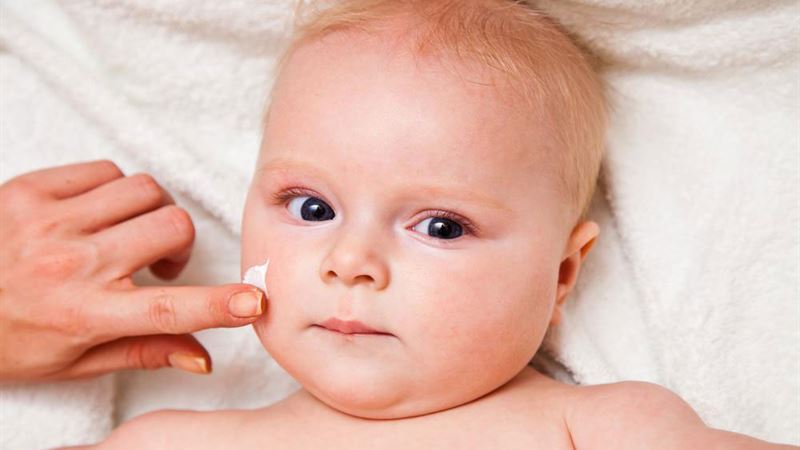
One of the foundational aspects of eczema care is the regular use of emollients or moisturizers. These creams and ointments replenish the skin’s barrier, locking in moisture and reducing dryness. It's advised to apply emollients liberally and frequently—often several times a day—to keep the skin well-hydrated. Choosing fragrance-free, hypoallergenic, and thick ointments like petrolatum or ceramide-rich creams can be especially beneficial.
Medical experts often recommend topical corticosteroids for flare-ups, available in various strengths. While some parents express concerns about steroids for infants, when used appropriately and under medical supervision, they are safe and effective in alleviating inflammation and itching. Anti-inflammatory creams can dramatically improve discomfort and prevent skin thickening over time.
In cases where itching severely disrupts sleep and daily activities, oral antihistamines may be prescribed. These medications help control itching and reduce the urge to scratch, providing relief and aiding recovery. For severe cases, advanced therapies such as wet wrapping involve applying medication and then covering the area with damp bandages to enhance absorption and soothe irritated skin.
If eczema becomes infected—characterized by increased redness, oozing, or warmth—antibiotic treatments are necessary to eliminate bacteria and prevent further complications. Regular follow-up with healthcare providers is essential to monitor progress and adjust treatment plans as needed.
Beyond medication, maintaining an eczema-friendly environment is crucial. Avoiding known triggers, dressing the infant in soft, breathable fabrics, keeping nails trimmed, and ensuring that the child's environment is clean and allergen-free can greatly reduce flare-ups.
Additional Tips and Preventative Measures
Parents and caregivers should adopt consistent skincare routines tailored for sensitive infants. Bathing should involve lukewarm water and gentle, fragrance-free cleansers, followed by immediate application of moisturizers to lock in hydration. Limiting bath time to 10-15 minutes helps prevent excessive dryness.
Managing environmental triggers is equally important. Using hypoallergenic bedding, maintaining optimal humidity levels, and keeping the living space free from dust and pet dander contribute to a healthier skin environment.
Education about scratching prevention is vital. Short, trimmed nails, wearing soft cotton gloves at night, and distracting the child when itching sensations occur can help reduce skin damage.
Finally, regular check-ups with healthcare professionals ensure that the condition remains under control and any complications are promptly addressed. While eczema can be persistent, with proper care and vigilance, children can lead comfortable, itch-free lives.