
Effective Strategies for Managing Fatty Liver Disease Through Lifestyle and Dietary Changes
Discover comprehensive strategies to reverse fatty liver disease through lifestyle adjustments, nutritious diets, and herbal remedies. This detailed guide emphasizes early intervention, exercise routines, proper nutrition, and natural therapies to support liver health and prevent disease progression. Learn how moderate coffee intake, herbal supplements like turmeric and milk thistle, and eating anti-inflammatory foods can promote liver regeneration. Combining these methods with consistent physical activity and dietary discipline offers a sustainable approach to restore and maintain a healthy liver. Take charge of your health today for a better tomorrow.
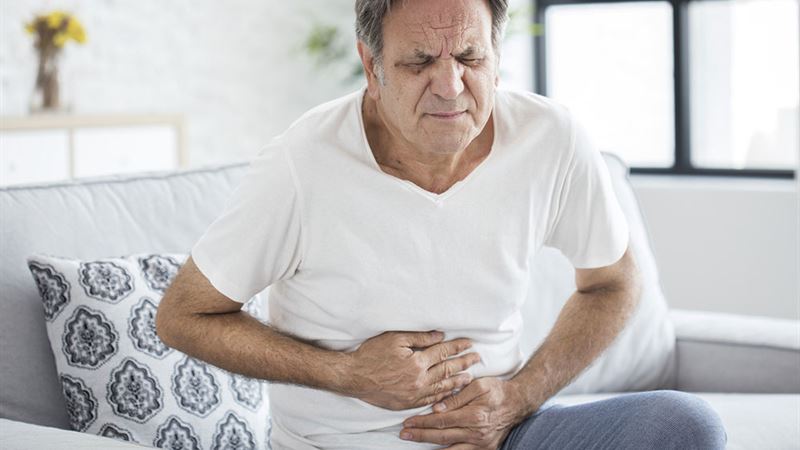
Fatty liver disease, medically known as hepatic steatosis, is a condition where excess fat accumulates in the liver cells. If detected early, it can often be reversed through dedicated lifestyle modifications, dietary adjustments, and appropriate remedies. However, if left unmanaged, it can progress to more severe liver conditions such as inflammation, fibrosis, or cirrhosis. This comprehensive guide delves into practical and scientifically supported methods to combat fatty liver disease, emphasizing the importance of a holistic approach involving exercise routines, nutritional interventions, herbal remedies, and consistent health management.
Understanding the importance of early intervention is crucial. The liver, an essential organ responsible for detoxification, metabolic regulation, and synthesis of vital proteins, is highly resilient in its initial stages of fatty infiltration. Reversing fatty liver disease at this stage can prevent long-term complications and restore liver health. The cornerstone of managing this condition begins with lifestyle modifications, particularly focusing on weight loss, physical activity, and nutritional improvements. These strategies are backed by extensive research demonstrating their effectiveness in reducing liver fat content and improving liver function tests.
1. Engaging in Regular Physical Activity
Engagement in consistent physical activity is one of the most effective ways to reduce liver fat. Activities like brisk walking, jogging, cycling, swimming, or aerobic classes can significantly enhance metabolic health. For individuals diagnosed with fatty liver disease, a minimum of 30 minutes of moderate-intensity exercise, five days a week, is recommended. Developing a sustainable routine is vital; even smaller, consistent sessions can yield benefits over time. Exercise increases insulin sensitivity, promotes weight loss, and activates pathways that facilitate the burning of excess liver fat.
Engagement in consistent physical activity is one of the most effective ways to reduce liver fat. Activities like brisk walking, jogging, cycling, swimming, or aerobic classes can significantly enhance metabolic health. For individuals diagnosed with fatty liver disease, a minimum of 30 minutes of moderate-intensity exercise, five days a week, is recommended. Developing a sustainable routine is vital; even smaller, consistent sessions can yield benefits over time. Exercise increases insulin sensitivity, promotes weight loss, and activates pathways that facilitate the burning of excess liver fat.
Specific exercises tailored to individual preferences and physical capabilities can maximize adherence. Incorporating both cardiovascular and resistance training ensures comprehensive health benefits. Resistance exercises help build muscle mass, which in turn improves overall metabolic rate, assisting in fat reduction. Remember, before starting any new exercise regimen, consulting a healthcare provider is advisable, especially for individuals with underlying health conditions.
2. Moderating Coffee Consumption for Liver Health
The consumption of coffee has garnered substantial scientific evidence supporting its protective role in liver health. Coffee contains bioactive compounds like chlorogenic acid and polyphenols, which possess anti-inflammatory and antioxidant properties. Regular coffee intake has been associated with decreased levels of liver enzymes, reduced liver fibrosis progression, and lower risk of cirrhosis and hepatocellular carcinoma. For people with fatty liver disease, moderate coffee drinking—about 2 to 3 cups daily—can be beneficial.
The consumption of coffee has garnered substantial scientific evidence supporting its protective role in liver health. Coffee contains bioactive compounds like chlorogenic acid and polyphenols, which possess anti-inflammatory and antioxidant properties. Regular coffee intake has been associated with decreased levels of liver enzymes, reduced liver fibrosis progression, and lower risk of cirrhosis and hepatocellular carcinoma. For people with fatty liver disease, moderate coffee drinking—about 2 to 3 cups daily—can be beneficial.
It is essential to drink coffee without excessive added sugars or high-fat creamers to maximize health benefits. Preferring black coffee or adding minimal natural sweeteners helps maintain the positive effects. Nonetheless, individuals sensitive to caffeine or with specific medical conditions should consult their doctors before increasing their coffee intake.
3. Utilizing Beneficial Herbs and Spices
Herbs and spices have long been used in traditional medicine to support liver health. Recent scientific studies support their potential in mitigating fatty liver damage, primarily due to their anti-inflammatory, antioxidant, and enzyme-modulating properties.
Herbs and spices have long been used in traditional medicine to support liver health. Recent scientific studies support their potential in mitigating fatty liver damage, primarily due to their anti-inflammatory, antioxidant, and enzyme-modulating properties.
Turmeric, containing the active compound curcumin, is renowned for its potent anti-inflammatory effects. Curcumin helps reduce markers of liver inflammation and damage, potentially reversing early stages of fatty liver if incorporated into the diet regularly.
Milk thistle is another herbal remedy celebrated for its liver-supportive properties. Its active ingredient, silymarin, stimulates liver regeneration, enhances detoxification processes, and exhibits antifibrotic effects. Including milk thistle supplements or teas can bolster liver health, but it is crucial to consult a healthcare professional before use, especially for individuals on medication or with allergies.
Always seek medical advice before starting herbal therapies to ensure safety and appropriateness, and assess for possible allergies or drug interactions.
4. Dietary Changes to Combat Fatty Liver
Diet plays a pivotal role in both causing and reversing fatty liver disease. Making informed food choices can significantly influence disease progression or recovery. Implementing a nutrient-dense, balanced diet focusing on whole foods rich in antioxidants, healthy fats, and fiber is crucial.
Diet plays a pivotal role in both causing and reversing fatty liver disease. Making informed food choices can significantly influence disease progression or recovery. Implementing a nutrient-dense, balanced diet focusing on whole foods rich in antioxidants, healthy fats, and fiber is crucial.
Here’s an in-depth look at dietary recommendations:
- Incorporate More Anti-inflammatory Foods: Foods rich in omega-3 fatty acids, such as fatty fish (salmon, mackerel, sardines), help reduce liver fat and inflammation. Eating these fish at least twice weekly is beneficial.
- Eat Leafy Greens and Vegetables: Dark, leafy greens like spinach, kale, and collard greens are high in chlorophyll and antioxidants that support detoxification and promote liver health.
- Consume Whole Grains and Legumes: Brown rice, oats, quinoa, beans, and lentils provide fiber that aids in digestion, stabilizes blood sugar levels, and prevents fat buildup in the liver.
- Add Nuts and Seeds: Almonds, walnuts, flaxseeds, and sunflower seeds supply healthy fats, antioxidants, and vitamin E, which help fight oxidative stress in the liver.
- Inclusion of Antioxidant-Rich Fruits: Berries, oranges, and pomegranates contain potent antioxidants and vitamin C, which support immune function and liver repair.
On the contrary, reducing the intake of foods that can aggravate fatty liver is equally critical:
- Limit Processed and Sugary Foods: Excessive sugar intake from candies, pastries, sodas, and processed snacks can increase liver fat accumulation.
- Avoid Fried and Salty Foods: Fried foods and those high in salt contribute to inflammation and water retention, worsening liver health.
- Minimize Refined Carbohydrates: White bread, white pasta, and baked goods made with refined flour spike blood sugar levels and provide little nutritional value, aggravating fatty liver.
Adopting a balanced, consistent eating pattern rich in whole, unprocessed foods and low in refined sugars and processed fats can dramatically help reverse fatty liver disease and support overall metabolic health.
Additionally, lifestyle factors such as limiting alcohol intake, quitting smoking, and managing stress can further bolster liver health and recovery efforts.
In conclusion, managing and reversing fatty liver disease requires a comprehensive approach that includes regular physical activity, moderated coffee consumption, herbal remedies, and a strategic diet plan. Early diagnosis and committed lifestyle modifications can significantly improve liver health, prevent progression to more serious conditions, and restore overall well-being. Consulting healthcare professionals for personalized plans ensures safe and effective management of this common yet treatable condition.
By embracing these evidence-based strategies, individuals can take control of their health, reduce liver fat, and lead a healthier, more energetic life.