
Innovative Baking Techniques to Elevate Your Culinary Creations
Discover innovative baking techniques that can transform your culinary creations. From mastering the mixing process to the rubbing-in method, this guide provides detailed insights into essential skills for perfect baked goods. Elevate your baking game with tips and tricks used by professional bakers, ensuring your treats are tender, flaky, and full of flavor. Whether you're baking a cake, scone, or pastry, these techniques will help you produce bakery-quality results at home. Perfect for beginners and seasoned bakers alike, this comprehensive guide inspires confidence in your baking endeavors.
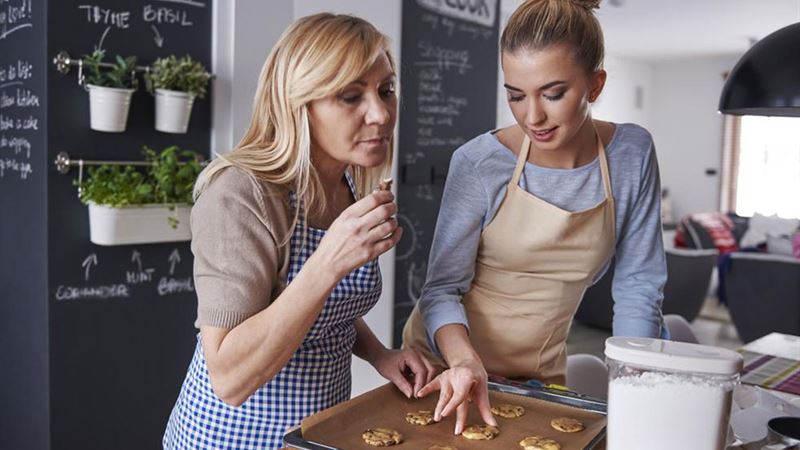
Mastering the art of baking involves more than just following recipes; it requires understanding various techniques that can transform ordinary baked goods into extraordinary delights. Whether you're a seasoned baker or a passionate beginner, exploring advanced methods can significantly improve your baking skills and the final product's quality. This comprehensive guide will introduce you to innovative techniques, from simple mixing methods to intricate dough preparation, ensuring your baked goods turn out perfect every time.
Fundamentals of Mixing and Combining Ingredients
At the foundation of any great baked good lies proper ingredient integration. Starting with the melting of fats such as butter or margarine is essential as it sets the stage for a rich, flavorful base. Once the fat is liquefied, eggs are incorporated to add moisture and act as binding agents. Following this, dry ingredients like flour, baking powder, or baking soda are added to build the structure of your baked item. In this process, caution is necessary to avoid overmixing. Overworking the batter can develop excessive gluten, resulting in a dense, tough texture instead of a light, airy crumb. To achieve the ideal consistency, gently fold the dry ingredients into the wet mixture, just until combined. This technique maintains the delicate aeration needed for fluffy cakes or tender muffins. For instance, when preparing a luscious gingerbread bundt cake, melted butter and sugar syrup are blended in a saucepan. Then, the dry ingredients are folded in until the mixture is smooth and cohesive, creating a tender, flavorful dessert that melts in your mouth.
The Rubbing-In Method: Crafting Perfect Pastries and Treats
The rubbing-in technique exemplifies a traditional yet essential baking skill, particularly useful for pastries, scones, and crumble toppings. This method relies on the physical work of your fingers to incorporate fat into flour, resulting in a crumbly, sandy texture that’s perfect for tender baked goods. To start, you lightly rub softened butter into the flour with your fingertips, breaking it into small particles until you achieve a breadcrumb-like consistency. This process ensures an even distribution of fat, which is key to creating flaky layers or crumbly toppings. Once the dry mixture resembles coarse sand, a small amount of liquid—such as milk or water—and sugar are added to bind the mixture into a dough or biscuit base. It’s crucial to stop mixing as soon as the ingredients are combined; overworking the dough can cause gluten development, leading to a tougher texture. This method shines in preparing scones, pastries, and crumble toppings that require a delicate, soft structure. For example, a classic sweet potato scone benefits from this technique, which makes the final product moist, tender, and irresistibly flaky. When employing the rubbing-in method, remember to add just enough liquid to bring the mixture together, avoiding excess which can make the dough sticky and difficult to handle.
Expanding your baking skills with these techniques opens up a world of culinary possibilities. The key to mastering them lies in patience and precision—over time, these methods will become second nature, allowing you to create bakery-quality treats in your own kitchen. Practice consistently, adjust proportions based on the specific recipe, and experiment with variations to discover new textures and flavors. Whether you’re making intricate layered cakes, flaky pastries, or cozy scones, understanding these fundamental techniques will elevate your baking craftsmanship and results.