
Comprehensive Guide to Accessing Breast Pumps via Insurance Coverage
Learn everything about obtaining breast pumps through insurance coverage, including available types, eligibility, timely ordering, and how to maximize benefits. This comprehensive guide helps new mothers navigate insurance policies, file claims, and access essential breastfeeding equipment with confidence, ensuring a smoother postpartum experience.
Understanding How to Obtain Breast Pumps through Your Insurance Plan
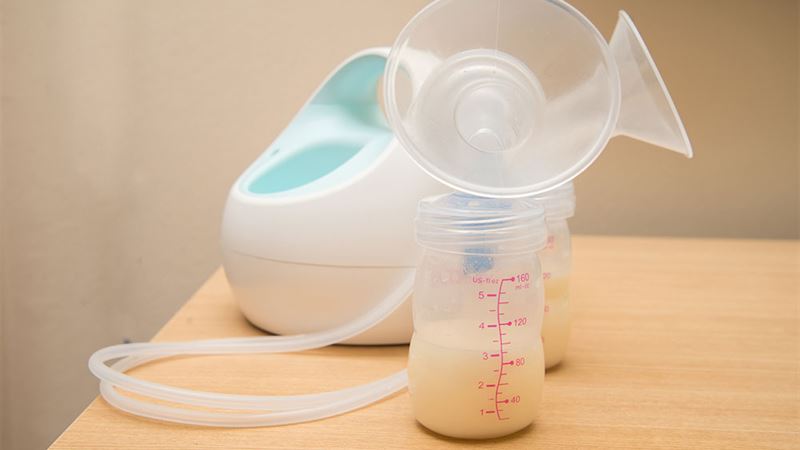
Many assume that breast pumps are primarily necessary for working mothers, but in reality, they are vital devices for all new mothers who are breastfeeding. Regular use of a breast pump not only supports milk supply building but also offers flexibility—allowing partners or caregivers to participate in feeding, fostering bonding moments with the newborn. While these devices are invaluable, they are often costly, making affordability a concern for many families. Thankfully, numerous insurance plans now recognize breast pumps as essential medical devices, providing coverage that can significantly reduce out-of-pocket expenses for new mothers.
How Many Types of Breast Pumps Are Available?
Being familiar with the different types of breast pumps can help new mothers select the most suitable option based on their needs, lifestyle, and budget. Each type varies in functionality, cost, portability, and comfort, so understanding these distinctions is crucial before making a purchase or filing a claim through insurance. Here’s an overview of the most common types:
- Manual Breast Pumps
Manual pumps are straightforward, non-electric devices that operate with hand movement. They are cost-effective and lightweight, making them highly portable. Many mothers prefer manual pumps for their simplicity and effectiveness in expressing sufficient milk, especially when used with good suction and long pumping strokes. They are ideal for occasional use or for mothers who prefer a quiet, discreet option. Since there are no electrical components, maintenance is minimal, and they don’t require power sources, allowing easy use anywhere. - Battery-powered Breast Pumps
This type offers increased flexibility for mothers on the go. Battery-operated pumps are cordless and portable, enabling pumping without immediate access to an electrical outlet. They are especially convenient for busy moms who need to pump discreetly while traveling or at work. These devices typically operate quietly, providing a comfortable pumping experience, and are designed to be low-maintenance and easy to use. - Single-electric Breast Pumps
Single-electric pumps are powered by electricity or batteries and allow mothers to extract milk from one breast at a time. They are a practical choice for moms who can combine nursing with pumping or prefer to target one side at a time for maximum efficiency. They are usually more affordable than double models and are suitable for mothers who do not need to pump frequently or simultaneously from both breasts. - Double-electric Breast Pumps
Designed to mimic a baby's natural nursing pattern, double-electric pumps extract milk from both breasts simultaneously, saving time and promoting increased milk production. These high-tech devices offer adjustable suction settings and expression modes for comfort and efficiency. Although more expensive than single pumps, they are favored by mothers who pump regularly or need to quickly replenish milk supply. Some users find them somewhat cumbersome, but their efficiency makes them a popular choice among lactating mothers. - Hospital-grade Breast Pumps
Hospital-grade pumps are professional-grade devices typically prescribed for mothers experiencing low milk supply, preterm infants, or babies with latching difficulties. These powerful, high-capacity pumps are used in clinical settings and sometimes prescribed for home use under medical supervision. They tend to be expensive, but insurance coverage often includes rental options rather than outright purchase. A healthcare provider's prescription is usually necessary to qualify for access to these advanced pumps, making them suitable for specific medical needs.
Insurance Coverage for Breast Pumps: What You Need to Know
Breast pumps are considered an essential postpartum healthcare item, but their cost can be a barrier for many mothers. Fortunately, under recent healthcare laws, insurance plans are now mandated to cover these devices, making access easier for new mothers. Nonetheless, coverage specifics can vary depending on the insurer and the plan you hold. Here, we address common questions about how to obtain a breast pump through insurance and what steps are involved in the process.
Are Breast Pumps Fully Covered by Insurance?
Thanks to the Affordable Care Act (ACA), signed into law in 2010, insurance providers are required to cover the cost of a breast pump as part of preventive health services. This law considers breast pumps a vital piece of postpartum healthcare, encouraging breastfeeding and maternal health. However, coverage details, including the types of pumps and specific providers, can differ among plans. It’s advisable for mothers to contact their insurance representatives to verify eligibility and understand the extent of coverage to avoid surprises later.
When Is the Ideal Time to Order a Breast Pump?
The best time to secure a breast pump is during the third trimester of pregnancy. Booking in advance ensures that equipment is ready soon after birth, allowing mothers to start establishing their milk supply early. Many women purchase a pump before delivery to avoid last-minute hassles and to coordinate with healthcare providers for insurance approvals. Waiting until after the baby’s arrival may complicate or delay obtaining coverage, so early planning is recommended.
Where Can I Purchase a Breast Pump Covered by Insurance?
Most insurance companies have partnerships with a network of approved providers, including online retailers and retail locations. When purchasing a breast pump through insurance, you should consult your insurer's list of in-network vendors. You can either buy directly online from designated vendors or visit a local store to select a model in person. Using an in-network provider typically simplifies the claims and reimbursement process, making it easier for you to access covered devices.
Can I Upgrade My Breast Pump Under Insurance?
Some insurance plans allow recipients to upgrade their initial breast pump, but additional costs may apply. When placing an order, you’ll receive information about available upgrade options and any applicable charges. Fully covered devices usually do not display a listed price; instead, the listing indicates the portion that would be paid toward an upgrade. If you wish to improve your pump—for example, to a double-electric model—you might be asked to pay a difference in cost. It’s advisable to discuss upgrade options with your provider while obtaining approval.
Is a Prescription Necessary to Purchase a Breast Pump?
Obtaining a prescription from a healthcare provider such as an obstetrician, midwife, or lactation consultant is highly recommended. The prescription helps streamline the insurance claim process and ensures you access the appropriate device for your needs. Insurance providers typically require a prescription to verify medical necessity, especially for hospital-grade or specialized pumps. Having this documentation ready can facilitate quicker processing and reduce delays.
What If My Insurance Denies Coverage for a Breast Pump?
If your insurance plan, especially those established before the ACA, does not automatically cover breast pumps, you have the right to appeal the denial. Many plans now include coverage thanks to federal mandates, but if you face resistance, you can submit a formal appeal with supporting documentation from your healthcare provider. In cases where coverage remains unavailable, renting a hospital-grade pump or purchasing one outright might be alternative options, sometimes at reduced costs through local healthcare facilities.