This comprehensive guide covers essential questions about selecting the right breast pump, insurance coverage details, and proper cleaning practices to ensure a safe and effective breastfeeding experience. Learn how to navigate policies, choose the best pump for your needs, and maintain hygiene to protect your and your baby's health with expert tips and clear answers.
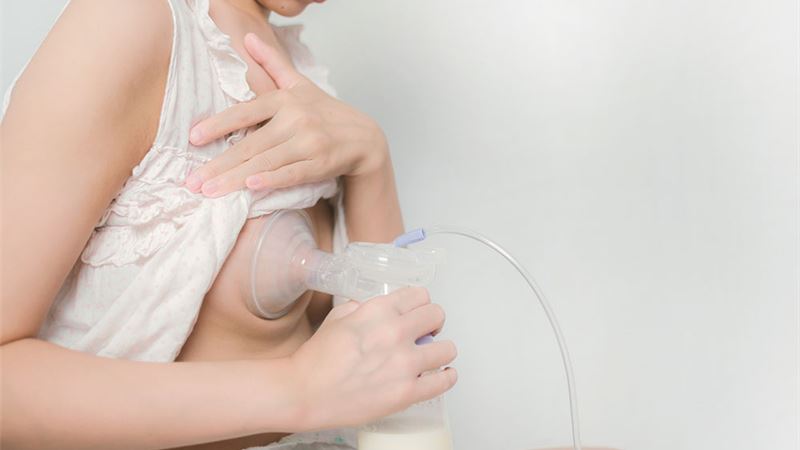
Breastfeeding is a vital aspect of nurturing your newborn, and choosing the right breast pump can significantly influence your breastfeeding journey. Whether you're seeking an affordable, basic model or a high-end, feature-rich device, understanding your options and insurance coverage is essential to making an informed decision. Navigating the world of breast pumps can be complex due to varying policies and product types. This comprehensive guide aims to clarify common questions about breast pumps, insurance reimbursements, and optimal usage and maintenance practices to ensure you have all the necessary information for a smooth breastfeeding experience.
Understanding insurance coverage for breast pumps is crucial, especially as new regulations and policies are introduced. Many insurance providers now offer coverage for a variety of breast pump models, but the specifics can differ significantly between policies. Some plans may cover only certain brands or types, while others might require specific prescriptions or arrangements with certain medical equipment suppliers. To avoid surprises, it’s best to contact your insurance provider directly and inquire about the details of your coverage. Knowing what is covered in advance will help you select a pump that fits your needs without unnecessary out-of-pocket expenses.
Key questions to ask your insurance company include:
- Which brands of breast pumps are included in my coverage?
- What types of breast pumps are eligible for coverage?
- Is a doctor’s prescription necessary to qualify for reimbursement?
- Can I purchase a pump through insurance before my baby is born?
Additionally, confirm whether you need to buy your pump from a specific durable medical equipment (DME) provider for it to qualify under your plan. Typically, most insurance providers will cover basic models such as entry-level electric or manual pumps, but more advanced or multi-user rental units may require additional payment. Knowing these details beforehand can save you time and money, ensuring you select the most suitable pump within your coverage limits.
Choosing the right type of breast pump depends on your specific needs and lifestyle. The main categories include:
- Manual Pumps
- Single Electric Pumps
- Double Electric Pumps
- Hospital-Grade Pumps
Each type offers distinct advantages and limitations. Manual pumps are portable and affordable but may require more effort and time, making them suitable for occasional use. Single electric pumps are convenient for quick sessions, while double electric pumps allow simultaneous pumping from both breasts, saving time and increasing milk production. Hospital-grade pumps are highly efficient and suitable for moms who need frequent or exclusive pumping, often rented from medical suppliers.
Proper maintenance and cleaning of your breast pump are essential to prevent contamination and ensure safety. The FDA recommends cleaning your pump thoroughly after every use. Each manufacturer provides specific instructions, so it’s important to follow their guidelines closely. Generally, cleaning involves rinsing, washing, and drying all parts that come into contact with breast milk. To ensure your pump remains hygienic, follow these steps:
- Immediately rinse all parts that contact breast milk with cold water after pumping to remove residual milk.
- Wash each component separately using warm water and liquid dish soap, scrubbing gently to remove any milk residues.
- Rinse all parts thoroughly in warm water for 10-15 seconds to eliminate soap traces.
- Allow the parts to air dry completely on a clean towel or paper towel before reassembling or storing.
Regular disinfection, such as boiling or using specific sterilizing solutions recommended by the manufacturer, is also advised periodically, especially for parts that are difficult to clean thoroughly. Ensuring your breast pump is properly maintained not only keeps it functioning efficiently but also protects your and your baby's health by reducing the risk of bacterial growth.
In conclusion, selecting the right breast pump involves considering your personal needs, understanding your insurance options, and maintaining proper hygiene practices. Being informed about available models and coverage policies will help you make a confident choice that supports a successful and comfortable breastfeeding experience. By following recommended cleaning procedures and understanding your insurance benefits, you can ensure that your breastfeeding journey is both convenient and healthy for both you and your baby.
Whether you're a first-time mother or have been breastfeeding for some time, understanding the intricacies of breast pump options, insurance coverage, and maintenance protocols is essential. This guide provides all the necessary information to help you navigate this important aspect of postpartum care with confidence, ensuring you can focus more on bonding with your newborn and less on logistical concerns.
