
Essential Guide to Selecting the Perfect Rescue Dog for Your Family
This detailed guide offers essential information for anyone considering adopting a rescue dog. From understanding breeds and assessing shelter dogs to preparing your home and training your pet, it provides comprehensive advice to ensure a successful adoption and a happy life together. Learn how to choose the right dog, evaluate their behavior, and establish a strong bond, making your rescue journey rewarding and fulfilling. Perfect for first-time adopters or anyone seeking guidance on welcoming a rescue dog into their life.
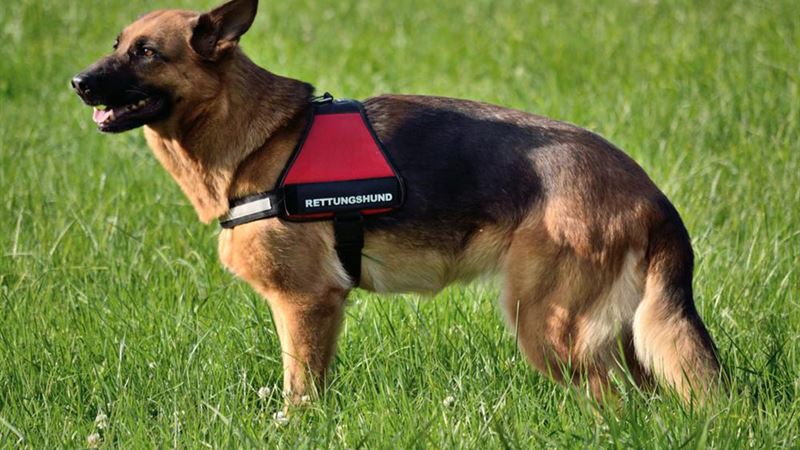
Deciding to adopt a rescue dog is a noble and rewarding choice, but it also requires careful consideration and preparation to ensure a successful integration into your home. This comprehensive guide will cover every aspect you need to consider—from understanding different breeds and their unique traits to the steps involved in choosing the right dog that aligns with your lifestyle. Furthermore, you'll learn how to effectively evaluate shelter dogs and prepare your environment for your new furry friend. Adopting a rescue dog not only saves a life but also brings unconditional love and joy into your home. Let’s explore the detailed process to help you make an informed decision and build a lasting bond with your new canine companion.
Understanding various dog breeds is fundamental before making a commitment. Different breeds exhibit distinct behavioral traits, energy levels, and care requirements. For example, some breeds are highly energetic and need extensive physical activity, while others prefer a calmer, more laid-back lifestyle. Conduct thorough research or seek guidance from animal professionals like veterinarians and certified dog trainers to understand these nuances. Knowing a breed's temperament, exercise needs, grooming requirements, and compatibility with children or other pets will help you select a suitable match.
Visiting local rescue shelters is an ideal first step. Spend time interacting with the staff and volunteers to gain insights into the dogs they care for—each dog has a story and a personality waiting to be discovered. Don't rush your decision; take your time to observe and ask questions about each dog's background and temperament. While at the shelter, it’s crucial to avoid making direct eye contact with the dogs initially—it can be perceived as a challenge or a sign of dominance. Instead, maintain relaxed body language and observe their reactions.
During your visit, narrow your options to two or three promising candidates. Request the shelter staff to facilitate a dog-walking session with each. Taking a dog for a walk provides valuable clues about their behavior, energy levels, and responsiveness. Pay attention to how the dog interacts during the walk—are they eager, relaxed, anxious, or overly excited? This hands-on approach helps you assess whether the dog’s activity level matches your own lifestyle.
When choosing a rescue dog, prioritize your own energy levels. Dogs with energy levels similar to yours tend to adapt more easily and form a stable routine. If you're an active individual who enjoys outdoor activities, a high-energy dog might be suitable. Conversely, if you prefer a more relaxed lifestyle, look for dogs that are naturally calm. Compatibility in energy levels can significantly influence your long-term happiness and the dog’s well-being.
Older dogs and those in middle age are often overlooked during adoption drives, yet they make wonderful companions. Mature dogs are usually house-trained, have settled temperaments, and require less exercise than puppies or younger dogs. They often appreciate a calm environment and are eager to settle into a loving home. Adopting an older dog is also a responsible choice that can help give an unloved pet a second chance at life.
If you're set on bringing home a puppy, reflect carefully on your reasons. Puppies are adorable but require significant time, patience, training, and socialization. Many people are motivated by the novelty and cuteness factor, but puppies grow rapidly and their needs evolve just as quickly. Be prepared for the commitment involved in raising a puppy into a well-behaved adult dog.
After selecting your ideal rescue dog, promptly complete all formal adoption procedures. Avoid unnecessary delays—once you decide, finalize the paperwork and prepare for the transition. This proactive approach prevents second-guessing or backing out and helps the dog settle into a new home smoothly.
Preparation is key to a successful adoption. Ensure your home is ready with essentials such as a durable leash and collar, a cozy bed, nutritious dog food, and a variety of toys and treats. These items create a welcoming environment and help your dog feel safe and loved from the very beginning. Establish a designated area for your dog to relax and play, and remove any hazards that could pose a risk during the adjustment period.
Training is vital for a positive relationship. Start with basic obedience commands such as sit, stay, come, and heel. Use positive reinforcement techniques—praise and treats—to encourage good behavior and build trust. Regular training sessions also promote mental stimulation and help your dog understand boundaries.
Building a bond with your rescue dog takes time, patience, and consistency. Become familiar with their body language and signals to better understand their needs and feelings. Providing routine, affection, and structure will help your new pet adapt comfortably and develop a lifelong loyal relationship. Remember, adopting a rescue dog is not just a simple act of charity—it’s a lifelong commitment to love, care, and companionship.