
Comprehensive Guide to Women's Hair Loss Solutions and Treatments
Explore extensive options for women suffering from hair loss, including medical treatments, hormonal therapies, surgical solutions, and lifestyle tips. Discover how personalized approaches can help restore hair health, improve appearance, and boost confidence. This comprehensive guide covers everything from topical medications to advanced procedures, providing valuable insights for effective hair loss management tailored specifically for women across different age groups and conditions.
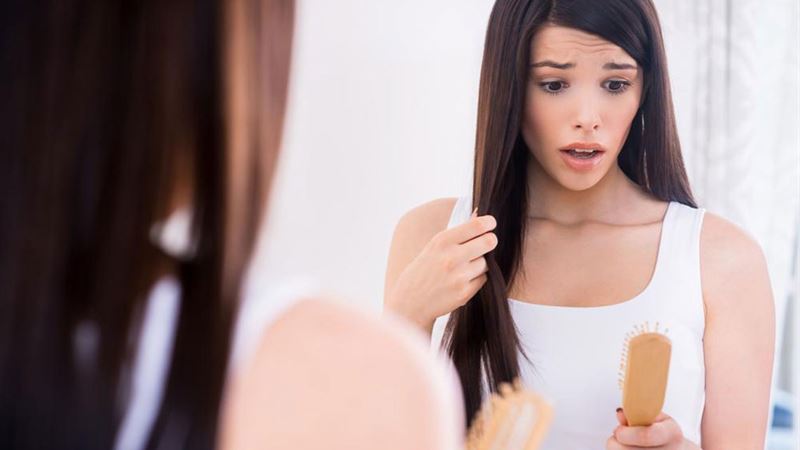
Women’s hair loss manifests in different patterns and degrees, often involving diffuse thinning across the scalp or specific bald patches. The root causes can vary from hormonal imbalances, genetic predispositions, nutritional deficiencies, to stress and lifestyle factors. Tailoring an appropriate treatment plan requires understanding these underlying factors and selecting therapies that suit individual needs.
**Understanding Female Hair Loss**
Women typically experience diffuse thinning, which may be generalized or localized. Conditions like androgenetic alopecia, telogen effluvium, and alopecia areata are common culprits. Identifying the precise cause involves medical evaluations including blood tests, scalp examinations, and sometimes scalp biopsies.
**Effective Treatments for Women’s Hair Loss**
Below are several proven options to combat hair loss in women, each with specific indications, benefits, and considerations.
- Minoxidil
Originally developed as a medication for high blood pressure, minoxidil was later discovered to promote hair growth as a side effect. It works by stimulating blood circulation around hair follicles, prolonging the growth phase of hair.
Available over-the-counter in topical solutions or foams, minoxidil is one of the most widely used treatments for female androgenetic alopecia. Consistent application is essential for maintaining results, which may include increased density and thickness of existing hair, along with new growth in some cases. The therapy usually requires ongoing use, as discontinuation can lead to reversal of gains.
- Hormone Therapy (Estrogen and Progesterone)
Hormone imbalances often contribute to hair loss in women, particularly during menopause or after childbirth. Hormone replacement therapy (HRT), involving estrogen and progesterone supplements, can help restore hormonal equilibrium, thereby reducing hair thinning.
This approach is typically prescribed for women experiencing hair loss linked to decreased estrogen levels. By supplementing these hormones, the treatment not only alleviates menopausal symptoms but also promotes healthier hair growth. However, hormone therapy must be closely monitored due to potential side effects and risks.
- Hair Transplantation
For women with significant hair loss unresponsive to medical therapy, hair transplant surgery presents a permanent solution. In this procedure, healthy hair follicles are harvested from donor sites and transplanted onto bald or thinning areas.
While effective, the process involves multiple sessions, healing time, and considerations such as scarring and potential infections. Despite the costs, many women find this option to be a life-changing investment that results in natural-looking, long-lasting restoration of hair density.
- Cimetidine
Originally used to treat gastrointestinal ulcers by blocking histamine, cimetidine has been observed to interfere with the hormone dihydrotestosterone (DHT), which contributes to hair follicle miniaturization.
Some clinicians prescribe cimetidine off-label for female-pattern hair loss, especially in cases where other treatments are ineffective or contraindicated. Its efficacy varies among individuals, and it’s generally considered a supplementary therapy.
- Ketoconazole
Typically prescribed to treat fungal scalp infections, ketoconazole shampoos have shown benefits beyond antifungal activity. They can help reduce scalp inflammation and downregulate androgen production, which may aid in treating androgenic alopecia in women.
In addition to controlling dandruff and scalp inflammation, ketoconazole may improve hair density over time when used regularly under medical supervision.
- Cyproterone Acetate
This medication acts as an anti-androgen, blocking the effects of male hormones that can cause hair thinning in women. It is often prescribed for women with androgenic alopecia accompanied by hirsutism or severe acne.
Cyproterone acetate can also regulate abnormal sexual drive and aggressive behaviors linked to hormonal imbalances. As part of a comprehensive treatment plan, it helps mitigate hormone-driven hair loss, especially in women with polycystic ovary syndrome (PCOS).
- Oral Contraceptives
Birth control pills that contain estrogen and progestin can help reduce androgen levels, thus preventing further hair loss. These contraceptives are often prescribed for women with androgenetic alopecia to maintain hormonal balance.
However, their use must be carefully considered and medically supervised due to risks like blood clots, especially in women with other health conditions. When used appropriately, they can be an effective part of a holistic approach to hair health.
Beyond treatments, lifestyle and dietary modifications play vital roles in managing hair loss. Maintaining a balanced diet rich in vitamins, minerals, and proteins supports hair health. Managing stress through relaxation techniques, avoiding harsh chemical treatments, and protecting the scalp from environmental damage are also crucial.
Seeking personalized advice from dermatologists or hair care specialists ensures that women receive safe, effective, and tailored hair loss management strategies. With the right combination of therapies and lifestyle adjustments, restoring hair vitality and confidence is achievable.