
Comprehensive Guide to Effective Gout Management and Treatment Strategies
This comprehensive guide provides in-depth information on gout treatments, detailing medications for both immediate relief and long-term prevention. It highlights the importance of proper diagnosis, lifestyle modifications, and dietary strategies to effectively manage gout and prevent joint damage. Learn about the role of NSAIDs, uricosuric agents, xanthine oxidase inhibitors, and the significance of medical supervision to ensure optimal health outcomes. A must-read resource for anyone seeking to understand and control gout with effective, holistic approaches.
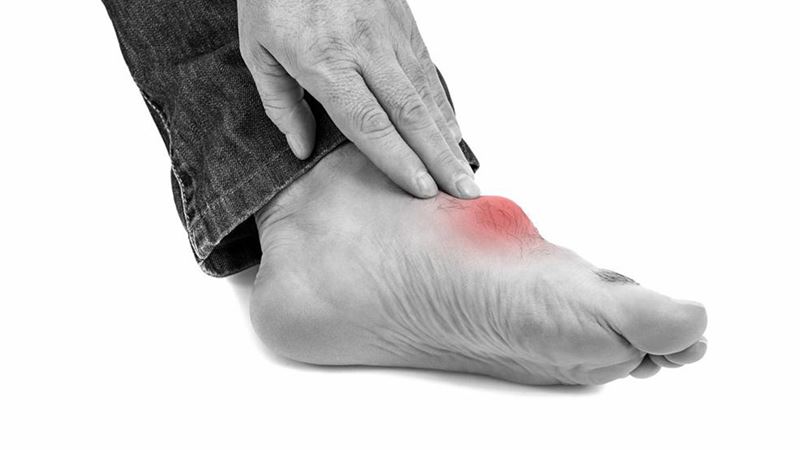
Gout is a form of inflammatory arthritis characterized by sudden, severe attacks of pain, redness, and swelling in the joints. Proper diagnosis is essential for effective treatment, and healthcare professionals often utilize a combination of clinical examination and diagnostic tests. Among these, blood tests measuring uric acid levels play a pivotal role in identifying gout. Elevated uric acid in the blood, known as hyperuricemia, is a primary risk factor for gout and guides treatment planning.
Effective gout management hinges on a combination of medication, lifestyle modifications, and dietary adjustments. Understanding the various treatment options available can empower patients to take control of their condition, reduce flare-ups, and prevent joint damage. This extensive guide delves into the medications used in gout treatment, their classifications, how they work, and the importance of adhering to prescribed regimens. Moreover, it explores complementary strategies such as dietary changes and home remedies that aid in managing symptoms and minimizing attacks.
Medications for gout treatment are generally divided into short-term and long-term categories, each serving a specific purpose. Short-term medications are primarily aimed at alleviating pain and reducing inflammation during acute attacks. Long-term medications, on the other hand, focus on lowering uric acid levels in the blood to prevent future flare-ups and joint deterioration. Both types are crucial components of a comprehensive treatment plan.
- Short-term Gout Medications: Immediate Relief During Flares
The cornerstone of immediate gout relief involves medications that target pain and inflammation. Nonsteroidal anti-inflammatory drugs (NSAIDs) are among the most commonly prescribed drugs for managing acute attacks. These include familiar options like naproxen, indomethacin, and ibuprofen, which effectively reduce inflammation and pain when used correctly. In some cases, corticosteroids are recommended, either administered orally or via injection, especially if NSAIDs are contraindicated or ineffective.
NSAIDs work by inhibiting enzymes involved in inflammation, thereby providing swift pain relief. During an attack, doctors usually prescribe a high dose, which is gradually tapered as symptoms improve. This approach helps control symptoms efficiently and reduces the duration of the attack. For mild to moderate episodes, short-term medication use is typically sufficient, but patients should always follow their healthcare provider's instructions to avoid adverse effects.
- Long-term Gout Prevention: Maintaining Uric Acid Levels
Long-term management aims to keep uric acid levels below a critical threshold, minimizing the risk of future attacks and preventing joint damage. Several classes of medications are employed for this purpose. Uricosuric agents, for example, enhance the excretion of uric acid via the kidneys, effectively reducing blood levels. Medications such as probenecid are typical examples of uricosurics and are especially beneficial in patients with frequent episodes.
In addition, xanthine oxidase inhibitors like allopurinol and febuxostat are used to impede the production of uric acid. These drugs are particularly suited for patients with recurrent gout or those with persistent hyperuricemia. It is essential for patients to adhere strictly to prescribed dosages, as inconsistent intake or dosage adjustments without medical guidance can compromise treatment efficacy. Regular monitoring of uric acid levels helps to tailor therapy and ensure optimal outcomes.
Patients should be aware that long-term medications require ongoing medical supervision. Any side effects or unexpected reactions should be promptly reported to the healthcare provider. In some severe cases, where joint damage or tissue destruction occurs, surgical interventions, such as joint debridement or removal of tophi, may be necessary. Therefore, a comprehensive approach combining medication, lifestyle, and diet is critical to managing gout effectively.
Beyond medication, lifestyle modifications play a vital role in managing gout. Since high purine intake is a significant contributor to elevated uric acid levels, dietary adjustments can substantially reduce attack frequency and severity. Patients are advised to follow an anti-inflammatory, low-purine diet, emphasizing vegetables, fruits, and low-fat dairy products, while limiting red meats, shellfish, and foods high in refined sugars.
Alcohol consumption, especially beer and spirits, can exacerbate gout symptoms by increasing uric acid levels and promoting inflammation. Moderation is key, and some individuals may need to abstain altogether during flare-ups. Prioritizing hydration by drinking plenty of water helps dilute uric acid and facilitates its excretion. Engaging in gentle, low-impact physical activities such as walking, cycling, or stretching can improve joint flexibility and reduce stiffness, especially as symptoms improve.
Home remedies such as applying ice packs to affected joints can provide symptomatic relief, and maintaining a healthy weight reduces pressure on joints. Rest and avoiding joint strain during attacks are crucial to prevent further damage. In conjunction with medication and lifestyle changes, these strategies can significantly enhance quality of life for those dealing with gout.
In conclusion, managing gout effectively requires a multifaceted approach involving timely medical intervention, patient education, and proactive lifestyle choices. By understanding the medications available, adhering to prescribed regimens, and making appropriate dietary and activity modifications, patients can control symptoms, prevent future attacks, and preserve joint health. Regular consultation with healthcare professionals and vigilant symptom monitoring are essential components of a successful gout management plan.