
Comprehensive Guide to Mobility Scooters: Types, Regulations, and Maintenance
This comprehensive guide covers everything you need to know about mobility scooters, including types, safety requirements, insurance options, maintenance tips, and choosing the right model for your needs. Learn how to operate confidently and safely while maintaining your mobility and independence.
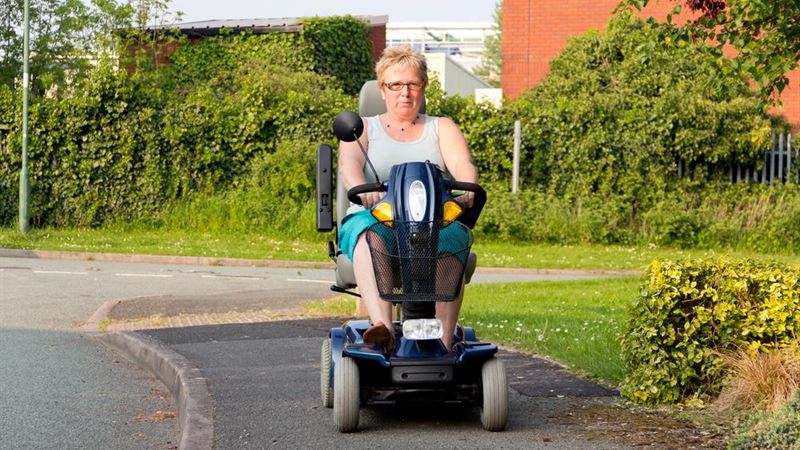
In recent years, mobility scooters have become an essential mobility aid for many individuals with mobility impairments. Their presence on streets, in shopping centers, tourist attractions, and supermarkets has increased significantly, providing greater independence and ease of travel for users. Unlike traditional wheelchairs, which typically require the user to be pushed or assisted, mobility scooters are designed more like compact vehicles, often with features comparable to small cars. They are generally treated as vehicles under the law but do not necessarily have standardized access rights to all public buildings. Starting a mobility scooter typically involves using a key, ensuring its safety when parked outside homes or commercial establishments, and preventing unauthorized use. Although driving a mobility scooter does not require a license in many jurisdictions, registration may be necessary depending on local regulations. This detailed article explores the various types of mobility scooters, safety requirements, insurance options, maintenance tips, and guidance for choosing the right model for your needs.
Understanding the Different Types of Mobility Scooters
- **Manual and User-Powered Scooters:** These are small, lightweight devices that do not rely on batteries or motors. Instead, they are propelled manually via a central lever drive (CLD), which requires the user to employ a push-pull motion similar to rowing. These are ideal for individuals seeking gentle exercise and basic mobility assistance within short distances.
- **Compact Travel Scooters:** Designed for portability, these models can be folded or disassembled quickly into manageable parts. They are perfect for individuals who need to carry their mobility scooter onto public transport, fit into car trunks, or store easily at home or work. Despite their small size, most travel scooters are equipped with batteries and can support regular use on varying terrains.
- **Heavy-Duty and Outdoor-Ready Scooters:** For those who require robust performance on uneven, rugged outdoor terrain, heavy-duty mobility scooters are suitable. These models feature larger wheels, stronger suspensions, and enhanced stability to navigate uneven surfaces, slopes, and rough paths effectively.
- **Mid-Size All-Purpose Scooters:** These models strike a balance between portability and power. They are designed for both indoor confined spaces and outdoor open areas, offering greater comfort and stability. They typically feature larger batteries and enhanced suspension, making them versatile devices for diverse environments.
Eyesight and Driving Capability for Mobility Scooter Users
- **Visual Requirements:** Generally, there are no strict eyesight standards mandated for operating mobility scooters or powered wheelchairs. However, users should be capable of reading a vehicle’s registration number from at least a distance of 12.3 meters (40 feet). This ability serves as a basic eyesight check to ensure the user can navigate safely and avoid obstacles.
- **Health Considerations:** Users are advised to regularly assess their visual acuity and overall physical health. Poor eyesight that hampers the ability to read signs or recognize hazards could increase the risk of accidents. In such cases, corrective lenses or medical advice may be necessary.
- **Liability and Safety:** If an accident occurs and it is found that poor eyesight contributed to the incident, the user may be liable for damages or compensation. Therefore, maintaining good vision or using appropriate corrective measures is essential for safety.
Insurance Options for Mobility Scooters
- **Damage and Theft Coverage:** This type of insurance covers repairs, replacements, or loss of the mobility scooter resulting from damage, theft, or vandalism. It provides peace of mind by safeguarding one’s investment against unforeseen incidents.
- **Liability Insurance:** This protects the user in case they cause injury to others or damage property while operating the scooter. It can help cover legal costs, medical expenses, and compensation claims resulting from such incidents.
Battery Life and Maintenance Tips for Longevity
- **Battery Performance:** The lifespan of a mobility scooter’s battery largely depends on usage patterns and maintenance. Most batteries require about eight hours of full recharge after each use, with shorter charging times potentially reducing overall battery life.
- **Expected Battery Lifespan:** On average, a well-maintained battery can last from 18 months to two years. Regularly monitoring battery health and replacing it when performance diminishes are crucial to ensuring continued mobility and safety.
- **Proper Charging Practices:** Always follow manufacturer guidelines regarding charging times. Avoid overcharging or allowing the battery to drain completely, as both practices can negatively impact battery longevity.
Routine Service and Maintenance of Mobility Scooters
- **Annual Servicing:** It is highly recommended to have your mobility scooter serviced at least once every year by a qualified engineer. This ensures all parts, especially critical safety features like brakes and steering, are in good working condition.
- **Regular Checks:** Routine inspections should include checking tire pressure, brake responsiveness, battery connections, and overall mechanical integrity. This helps prevent breakdowns and prolongs the lifespan of the scooter.
- **Following Manufacturer Guidelines:** Always adhere to the maintenance schedule and instructions outlined in your scooter's manual. Proper maintenance not only increases performance but also enhances safety for the user.
- **Safety Precautions:** Ensure that braking systems are functioning correctly, lights and signals are operational, and cleanliness is maintained. These factors are vital for safe operation, especially in busy or poorly lit environments.
Choosing the Right Mobility Scooter for Your Needs
- **Legal Classifications:** Mobility scooters are categorized into two legal classes—Class 2 and Class 3. Class 2 scooters are designed primarily for pavement use and have speed restrictions, while Class 3 models are capable of traveling on both pavements and roads, with higher speed limits.
- **Assessment of Personal Needs:** Selecting the appropriate scooter involves considering the user’s level of disability, daily travel requirements, and terrain conditions. For urban environments with smooth pathways, a smaller Class 2 scooter might suffice. For outdoor adventures or longer commutes, a robust Class 3 model could be more suitable.
- **Legal and Safety Considerations:** Make sure to familiarize yourself with local regulations regarding scooter use, licensing, and where you can legally operate your vehicle. Proper training and understanding of safety rules are vital for accident prevention.