
Comprehensive Guide to Causes and Effective Treatments for Persistent Dry Eyes
This comprehensive guide explores the main causes of chronic dry eye syndrome, including gland dysfunction and environmental factors. It details proven treatment options such as artificial tears, prescription drops, gland therapy, and lifestyle changes. Additional home remedies like omega-3 supplements and diligent lid hygiene can boost relief. Understanding and managing dry eye effectively can prevent complications and restore eye comfort, significantly enhancing quality of life. Consult an eye specialist for personalized diagnosis and treatment plans to maintain optimal ocular health.
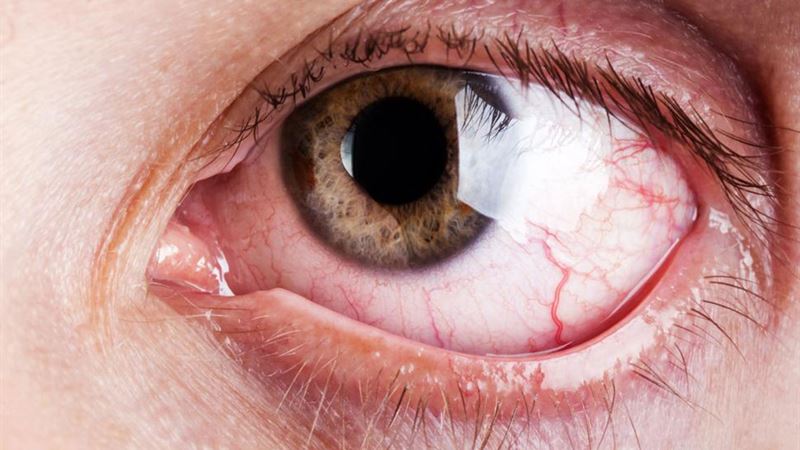
Experiencing the sensation of grit or foreign objects in your eyes can be uncomfortable and alarming. Interestingly, a paradoxical symptom associated with dry eyes is excessive tearing. This occurs because the eye compensates for dryness by overproducing tears, which is a natural protective response. Understanding the underlying causes of chronic dry eye syndrome is crucial for effective management, as this condition can significantly affect quality of life, vision, and eye health.
Identifying the Root Causes of Chronic Dry Eye Disorders
Maintaining adequate tear production and a stable tear film is essential for keeping the eyes comfortable, clear, and healthy. Tears serve multiple vital functions — they hydrate the ocular surface, remove debris and microorganisms, and provide necessary nutrients. When this delicate balance is disturbed, dry eye syndrome can develop, leading to discomfort and potential long-term damage.
Understanding the complexities of tear composition highlights why disruptions can lead to dryness. The tear film consists of three primary layers: the outer lipid layer, the middle aqueous layer, and the inner mucin layer. Each plays a crucial role in maintaining ocular health.
The Lipid Layer: Manufactured by the Meibomian glands, this oil-like layer prevents rapid evaporation of tears. When these glands fail or produce insufficient oil, tears evaporate prematurely, resulting in dry eyes.
The Aqueous Layer: Produced by the lacrimal glands, this watery component provides moisture and nutrients to the cornea. Deficiencies here, known as aqueous tear deficiency, cause significant dryness and irritation.
The Mucin Layer: This inner layer ensures tears spread evenly across the eye surface, stabilizing the tear film. Dysfunction in mucin production impairs tear distribution, exacerbating dryness.
In addition to tear composition issues, several external and internal factors contribute to dry eye syndrome:
Gland Dysfunction: The malfunction or blockage of Meibomian and lacrimal glands directly impacts tear quality and volume, leading to persistent dryness.
Prolonged Screen Time: Excessive exposure to computers, smartphones, tablets, and other digital devices reduces blinking frequency, causing faster tear evaporation and dryness.
Contact Lens Usage: Wearing contact lenses can disturb the tear film, absorb moisture, and dry out the eyes, especially if lenses are worn for extended periods.
Environmental Conditions: Indoor air conditioning, ceiling fans, heating systems, and low humidity environments accelerate tear film evaporation, increasing dry eye symptoms.
Lifestyle Choices and Health Factors: Smoking, certain medications, and underlying health issues such as autoimmune disorders can compromise tear production and increase the risk of dry eye disease.
Diagnosing dry eye syndrome begins with a thorough consultation, including a detailed review of symptoms and eye health history. The healthcare provider may perform specific tests to evaluate tear quantity and quality, assess gland function, and identify underlying causes.
Once the diagnosis is established, several treatment options are available, tailored to the severity and root cause of the condition. These treatments aim to restore tear film stability, reduce inflammation, and enhance ocular comfort.
Effective Treatments for Chronic Dry Eye Syndrome
Addressing chronic dry eye requires a combination of lifestyle modifications, medical therapies, and sometimes advanced procedures. The goal is to improve tear production, reduce gland blockage, and prevent ongoing damage to the ocular surface.
Artificial Tear Supplements: For mild cases, over-the-counter artificial tears can provide temporary relief by lubricating the eyes. These are typically formulated to mimic natural tears and offer a quick, safe solution for everyday dryness caused by prolonged screen use or environmental factors.
Prescription Eye Drops: When over-the-counter options are insufficient, doctors may prescribe specialized eye drops that not only lubricate but also address inflammation. These medications can stimulate natural tear production and improve gland function over time.
Gland Support Devices and Inserts: For moderate to severe dry eye, sterile inserts placed under the eyelids slowly release lubricants, ensuring consistent eye hydration throughout the day. These inserts can be highly effective in alleviating discomfort and improving ocular surface health.
Warm Compress Therapy: Applying warm compresses to the eyelids helps soften and unblock the Meibomian glands, promoting healthy oil secretion. Regular use can significantly improve gland function and reduce symptoms.
Thermal Pulsation Treatments (e.g., LipiFlow): Advanced thermal pulsation devices combine controlled heat and gland expression. They gently warm the glands and assist in clearing blockages, restoring normal lipid secretion and stabilizing the tear film.
Light-Based Therapies such as Intense Pulsed Light (IPL): FDA-approved IPL treatments target blood vessels causing ocular surface inflammation, particularly in conditions like ocular rosacea. This therapy reduces redness and inflammation, enhancing tear film stability.
Beyond medical interventions, several simple home remedies can complement treatment and provide added relief:
Dietary Supplements: Increasing intake of omega-3 fatty acids through foods like fatty fish (salmon, sardines, herring, cod) or supplements can reduce dry eye symptoms. Vegetarian sources such as flaxseed oil are also beneficial in supporting tear quality and reducing inflammation.
Proper Eye Hygiene and Makeup Removal: Properly removing eye makeup and cleaning eyelids can prevent clogged glands and bacterial buildup, which worsen dry eye symptoms. Gentle eyelid scrubs and lid hygiene help maintain healthy gland function.
Consistent management and a proactive approach are essential for controlling dry eye syndrome effectively. Consulting with an eye care professional ensures tailored treatment strategies, improving comfort and long-term eye health.